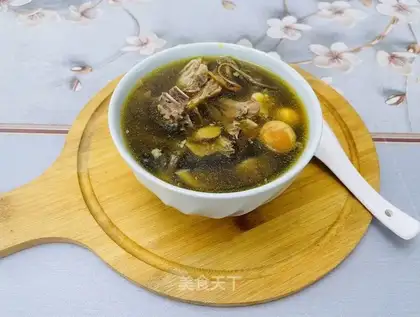
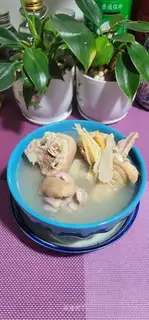
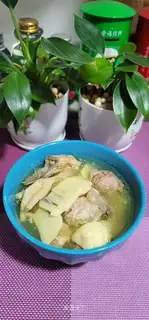
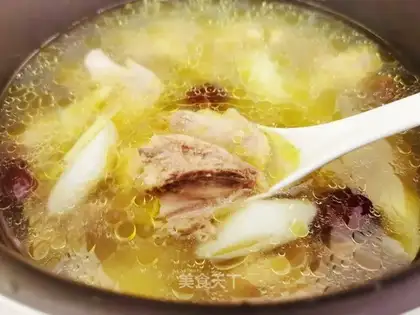
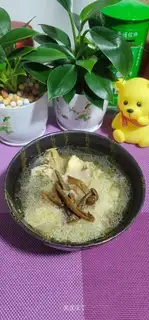
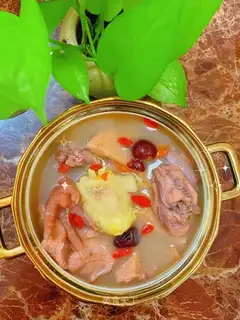
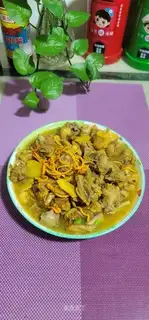
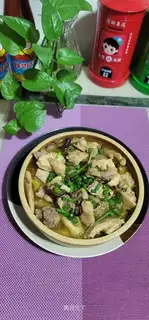
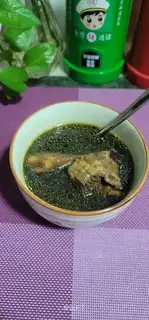
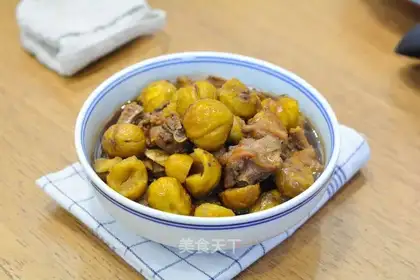
For centuries, old hen soup has been a cornerstone of traditional medicine and comfort food across cultures, particularly in East Asia and the West. Revered not only for its rich flavor but also for its purported healing properties, the old hen—a mature female chicken, typically over three years old—stands apart from its younger counterparts in nutritional density and medicinal value. This article explores the nutritional profile of old hen, its evidence-based health benefits, culinary applications, and important precautions to maximize its benefits safely.
I. Nutritional Profile of Old Hen
Old hens are nutritional powerhouses, boasting a higher concentration of nutrients compared to broiler chickens or younger hens. Their prolonged lifespan allows for greater accumulation of proteins, collagen, amino acids, and minerals, all of which contribute to their unique health value.
1. High-Quality Protein
Protein is essential for muscle maintenance, tissue repair, and enzyme production. Old hen meat contains approximately 25-30% high-quality protein, rich in all nine essential amino acids, including lysine, tryptophan, and leucine. Unlike younger chickens, old hen protein is more bioavailable due to slower muscle growth, making it easier for the body to absorb and utilize.
2. Collagen and Gelatin
The most distinguishing feature of old hen is its abundance of collagen and gelatin, concentrated in the skin, connective tissues, and bones. Collagen is a key structural protein in skin, joints, and bones, while gelatin—derived from collagen through slow cooking—supports gut health and digestion. A 2019 study in the Journal of Agricultural and Food Chemistry found that old hen collagen contains higher levels of hydroxyproline and glycine, amino acids critical for skin elasticity and joint lubrication.
3. Minerals and Vitamins
Old hens are exceptional sources of essential minerals:
- Iron: Heme iron, found in animal products, is more easily absorbed than non-heme iron. A 100g serving of old hen meat provides ~1.5mg iron, meeting 8-10% of the daily recommended intake for adults, aiding in red blood cell formation and preventing anemia.
- Calcium and Phosphorus: Slow cooking breaks down bones into a soft, edible form rich in calcium (≈130mg/100g) and phosphorus (≈200mg/100g), vital for bone density and teeth health.
- Zinc and Selenium: These trace minerals support immune function (zinc) and antioxidant defense (selenium). Old hen meat contains 20-30% more zinc than younger chickens, making it a valuable immune-boosting food.
Vitamins are equally abundant: B vitamins (B6, B12, niacin) for energy metabolism, vitamin A for vision and immunity, and vitamin E for skin health. The long cooking process also converts fat-soluble vitamins into more digestible forms.
4. Low Fat and Moderate Cholesterol
Despite being richer in flavor, old hen meat is relatively lean, with only 3-5% fat, mostly unsaturated fatty acids. While it contains cholesterol (≈80-100mg/100g), recent research suggests dietary cholesterol has minimal impact on blood cholesterol for most people, making it a heart-healthy protein source when consumed in moderation.
II. Health Benefits of Old Hen
The consumption of old hen is linked to a range of health benefits, supported by both traditional wisdom and modern science.
1. Enhances Immune Function
Old hen soup is a staple during illness, and for good reason. The amino acids cysteine and arginine, released during slow cooking, have anti-inflammatory effects and stimulate immune cell activity. A 2020 study in Nutrients found that chicken soup reduces neutrophil migration, alleviating cold symptoms. Additionally, zinc and selenium in old hen enhance antibody production, strengthening the body’s defense against infections.
2. Supports Joint and Bone Health
Collagen and gelatin are pivotal for maintaining joint integrity. Regular consumption of old hen soup may reduce joint pain and stiffness in individuals with osteoarthritis. A 2017 randomized controlled trial in Osteoarthritis and Cartilage reported that collagen supplements derived from chicken improved joint function and reduced pain in athletes. The calcium and phosphorus in old hen bones further prevent osteoporosis, especially in postmenopausal women.
3. Promotes Skin Health and Anti-Aging
Collagen is a major component of skin, responsible for firmness and elasticity. As collagen production declines with age, consuming old hen can help replenish skin reserves. A 2018 study in Journal of Cosmetic Dermatology found that oral collagen supplementation from chicken sources reduced wrinkle depth and improved skin hydration. The amino acids proline and glycine in old hen also support wound healing and skin regeneration.
4. Aids Digestion and Gut Health
Gelatin, derived from collagen, soothes the digestive tract by repairing the intestinal lining. It is particularly beneficial for individuals with leaky gut syndrome or inflammatory bowel disease (IBD). Old hen soup also contains chondroitin sulfate, a compound that supports gut microbiota balance, as noted in a 2021 study in Gastroenterology Research.
5. Boosts Energy and Recovery
The B vitamins and iron in old hen enhance energy production by aiding carbohydrate metabolism and oxygen transport. Athletes and post-surgery patients often consume old hen soup to accelerate recovery, as its protein and amino acids repair muscle tissue and reduce fatigue. The soup’s high water content also rehydrates the body, making it an ideal recovery food.
III. Culinary Uses: Unlocking Flavor and Nutrition
The key to maximizing old hen’s nutritional value lies in slow cooking, which breaks down tough connective tissues into a tender, nutrient-dense broth.
1. Traditional Soups and Stews
Old hen soup is often simmered for 3-6 hours with ginger, garlic, Chinese herbs (e.g., astragalus, goji berries), or vegetables. This method extracts collagen, minerals, and amino acids into the broth, creating a golden, savory liquid. In Chinese medicine, adding herbs like dangshen (Codonopsis pilosula) enhances its qi-boosting effects.
2. Braised and Roasted Dishes
For those preferring a heartier meal, old hen can be braised with soy sauce, star anise, and rock sugar, or roasted with herbs to highlight its rich flavor. Braising retains more nutrients than frying, while roasting creates a crispy skin with juicy meat.
3. Medicinal Broths
In postpartum care, old hen soup with black fungus, red dates, and sesame oil is believed to replenish blood and energy. For fever recovery, adding honeysuckle or mint to the soup can reduce inflammation.
IV. Precautions and Potential Side Effects
While old hen is highly nutritious, certain precautions must be taken to avoid adverse effects.
1. High Purine Content
Old hen is rich in purines, which break down into uric acid. Individuals with gout or hyperuricemia should limit consumption, as excessive intake may trigger joint inflammation. A 2016 study in Arthritis & Rheumatology recommends restricting purine-rich foods to <100mg/day for gout patients.
2. Sodium Awareness
Commercially prepared old hen soups often contain high amounts of sodium to enhance flavor. Excessive sodium intake can elevate blood pressure, so homemade versions with low-salt seasonings are preferable.
3. Fat Content in Skin
While old hen meat is lean, the skin is high in saturated fat. Removing the skin before consumption reduces calorie intake and heart disease risk, especially for individuals with high cholesterol.
4. Cooking Time
Undercooked old hen may harbor bacteria like Salmonella due to its dense texture. Cooking until the meat falls off the bone (internal temperature ≥75°C) ensures safety and optimal nutrient extraction.
5. Allergies and Interactions
Though rare, chicken allergies can occur. Additionally, old hen may interact with blood thinners (e.g., warfarin) due to its vitamin K content, so patients on such medications should consult a doctor.
V. Conclusion
Old hen is a nutritional and culinary treasure, offering a unique blend of high-quality protein, collagen, minerals, and vitamins that support immunity, joint health, skin vitality, and digestion. Its slow-cooked broth, a symbol of comfort and healing, transcends cultural boundaries as a testament to its value. However, moderation and mindful preparation are key to reaping its benefits without risks. Whether as a medicinal soup or a hearty stew, old hen remains a timeless superfood, bridging tradition and modern wellness.
In a world where processed foods dominate, returning to simple, nutrient-dense ingredients like old hen offers a path to holistic health—nourishing the body, one slow-simmered pot at a time.