Pulp pasta is also a famous food in Shaanxi. I don't know if people in other places are used to eating it, but I like eating it very much. I don't really like noodles. But slurry surface is an exception. It is a relatively popular snack in Shaanxi and Gansu.
The pulp water has the characteristics of appetizing and refreshing, dispelling heat and dispelling summer heat. Pulp water can be made into pulp water surface and pulp water fish. This fish is not fish, but a long water-drop-shaped piece of flour (?) Although the cool pulp fish is very appetizing and refreshing, it is a bit difficult, so I gave up.
It took me 3 days to get a bowl of starch noodles.
pulp water surface
By AdrielMurray
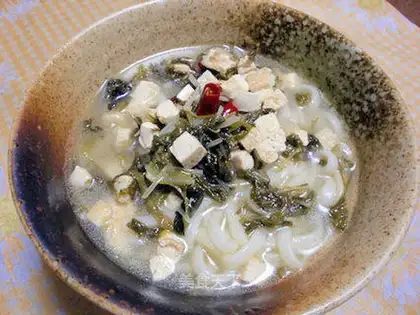
Recipe Recommendations
Steps for pulp water surface
1
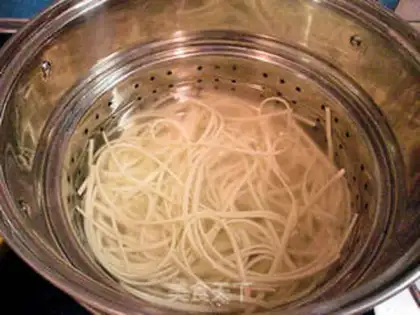
Making pulp water requires flour soup. In order to separate the noodles from the soup, the pasta pot was used.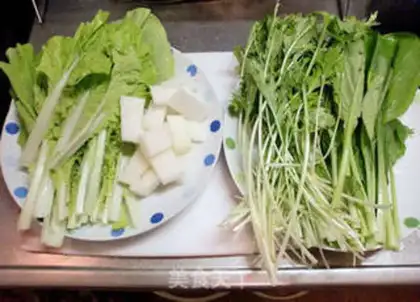
2
Shandong cuisine, water vegetables, small pine vegetables, sliced radish. These are not mandatory, it depends on preferences, right? Some people also use celery or celery or leek. I like green vegetables.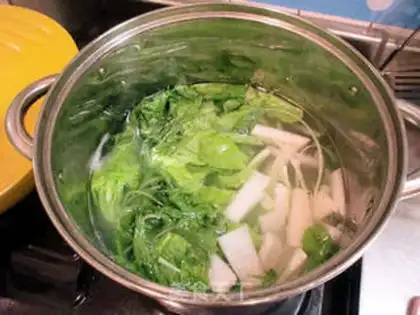
3
After boiling the pot, fish out the noodles, throw the green vegetables and radishes you have just prepared into the boiling pot, soak in water, and then fish out.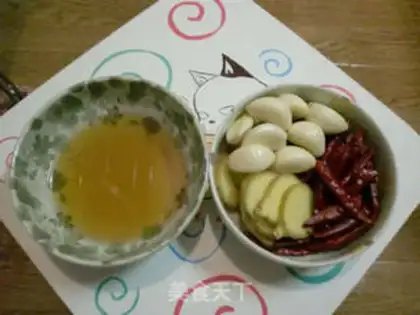
4
Ingredients. On the left is vinegar, used to make an introduction. Need very sour vinegar to make the pulp water sour. The plate on the right is also my personal preference. I am going to soak it in the jar together. I don't eat it directly, just soak it for a taste. This red pepper is quite spicy.
5
Noodle soup. Let the noodle soup in the pot settle for a while and warm it to temperature. After a while, remove the clear part of the noodle soup and place it in a bowl, and discard the turbid part below. You don't need too hot noodle soup to make pulp water. Just make it almost hot.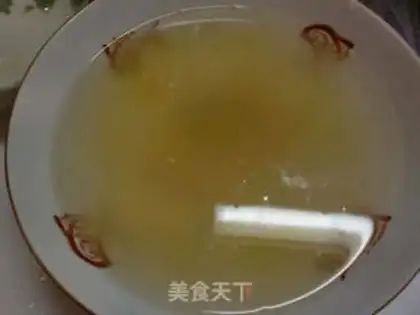
6
Then add vinegar.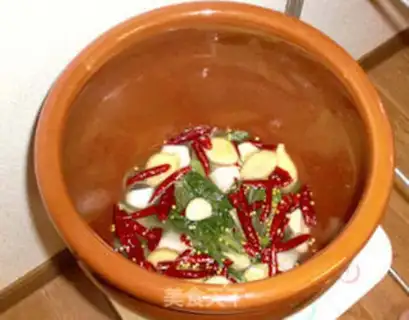
7
Pour the vinegar flour soup into the jar together with the green vegetables and ingredients you just prepared.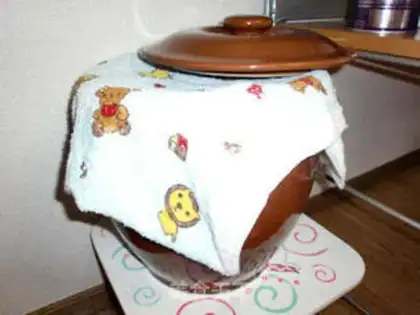
8
Do not seal the jar, cover the mouth of the jar with gauze or towel. The mouth of the jar was too big and there was no suitable square cloth, so I used a clean towel. Put the jar in a cool place. Use clean chopsticks to stir every day to speed up the fermentation. Don't bring oil. If there is a little oil star in it, it will easily fail.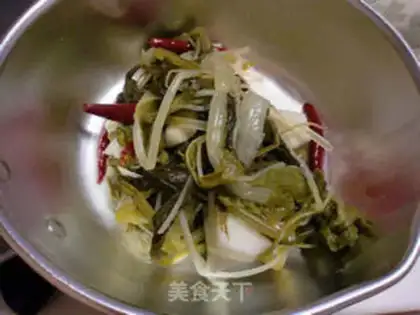
9
Two or three days later. Take out a handful of green vegetables, radish slices, and red peppers soaked in this state.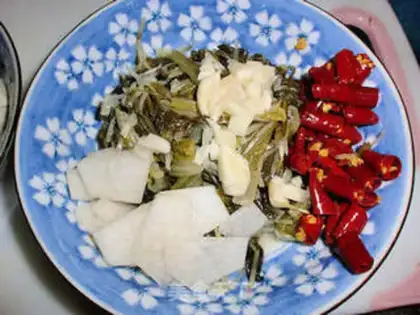
10
Cut it into small pieces.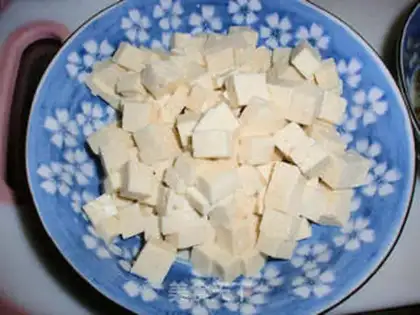
11
You can add tofu according to your preference. I prepared a piece of kapok tofu. The silk tofu is too soft and easy to rot. Kapok tofu is stronger.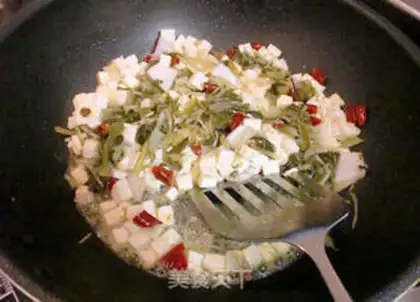
12
stir-fry. First stir-fry the peppers to "choke the pot". Actually, I should have fried it with dried peppers, but I had already soaked the peppers, so I used them directly.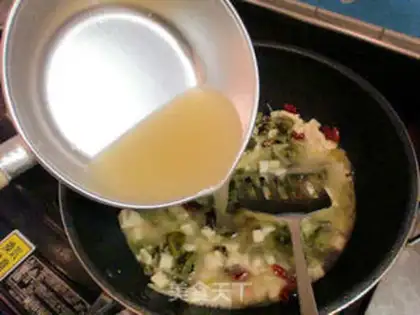
13
Take out almost a bowl of pulp water from a jar. Pour the pulp water into the frying pan.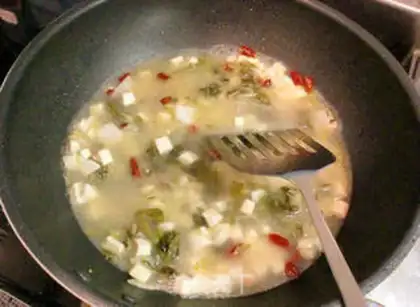
14
Add salt, stir, and bring to a boil. There is no need to add vinegar at this time.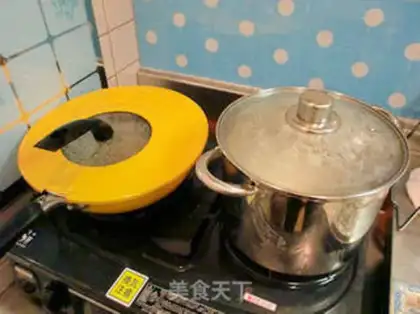
15
Cook the pulp water and noodles separately. On the left is pulp water and on the right is noodles. Shorten the time.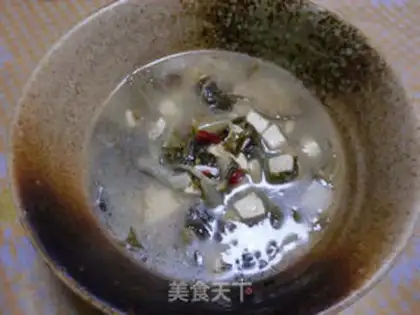
16
After the pulp water is boiled, take it out and place it in a bowl for standby.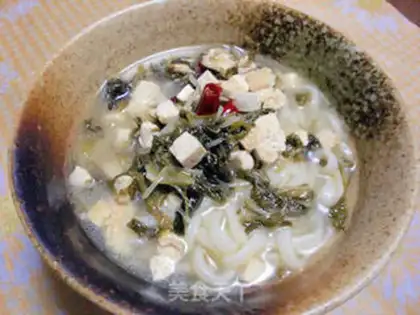
17
After the noodles are boiled, place them in a bowl with pulp water. Such a bowl of fragrant and sour pulp noodles will be your meal!pulp water surface Make Tips
To make successful Jiangshui, you need to wait about 3 days. If a white layer appears on the surface of the Jiangshui during the process, it has probably failed. Luckily, I got it right on the first try. In the future, when making Jiangshui, I can use the soup from this batch as a starter, so there is no need to add vinegar.
Steps:
1. Boil noodle water.
2. Blanch the chopped vegetables in hot water or hot noodle water.
3. Skim the clear part of the noodle water and add vinegar.
4. Put the vinegar-added noodle water, vegetables, and seasonings into a jar.
5. Cover the mouth of the jar with gauze or a towel; do not seal it airtight.
6. Stir it every day. Be sure to use clean chopsticks that are dry.
Notes:
1. Keep in a cool place.
2. Do not add any oil at all.
3. No need to add salt.
4. Do not use too much vinegar; generally, one soup spoon is about right.