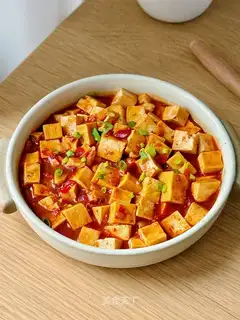
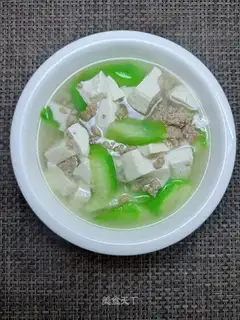
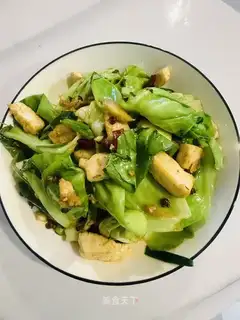
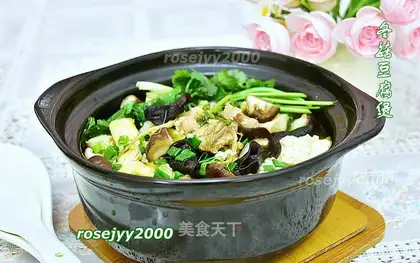
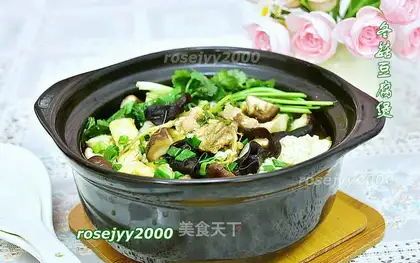
Tofu, also known as bean curd, is a versatile and nutrient-dense food that has been a staple in Asian cuisine for over 2,000 years. Made by coagulating soy milk and pressing the resulting curds into solid blocks, tofu is celebrated for its mild flavor, adaptability to various cooking methods, and impressive array of health benefits. As plant-based nutrition gains global attention, tofu has emerged as a cornerstone of healthy diets, offering a rich source of protein, vitamins, minerals, and bioactive compounds. This article explores the nutritional profile of tofu, its scientifically supported health benefits, and important considerations for consumption to maximize its advantages while minimizing potential risks.
Nutritional Profile of Tofu
Tofu’s nutritional value varies slightly based on its type—soft, firm, or extra-firm—and whether it is fortified or made with calcium sulfate. However, a standard 100-gram serving of firm tofu typically contains:
- Protein: Approximately 10–12 grams, making it an excellent plant-based protein source. Tofu contains all nine essential amino acids, including lysine, methionine, and tryptophan, classifying it as a "complete protein." This is particularly valuable for vegetarians, vegans, and individuals looking to reduce animal product intake.
- Fats: Around 5–6 grams, mostly composed of heart-healthy unsaturated fats, including polyunsaturated fats like alpha-linolenic acid (ALA), an omega-3 fatty acid. Tofu is also low in saturated fat (approximately 1 gram per serving), making it a favorable alternative to fatty animal proteins.
- Carbohydrates: Just 2–3 grams, with negligible sugar content, making it suitable for low-carb and diabetic-friendly diets.
- Vitamins and Minerals: Tofu is a rich source of several micronutrients. It provides:
- Calcium: 350–400 mg per serving (when made with calcium sulfate), supporting bone health and muscle function.
- Iron: 3–4 mg, aiding in oxygen transport and energy production.
- Magnesium: 30–40 mg, which plays a role in over 300 enzymatic reactions, including blood pressure regulation.
- Phosphorus: 150–200 mg, essential for bone formation and cellular repair.
- B Vitamins: Notably vitamin B1 (thiamine), B2 (riboflavin), and B6, which are critical for metabolism and nervous system health.
- Selenium: A potent antioxidant that supports thyroid function and immune health.
- Bioactive Compounds: Tofu contains isoflavones, a type of phytoestrogen (plant-based estrogen) with antioxidant and anti-inflammatory properties. The primary isoflavones in tofu are genistein, daidzein, and glycitein, which have been extensively studied for their health impacts.
Health Benefits of Tofu
The combination of macronutrients, micronutrients, and bioactive compounds in tofu contributes to a wide range of health benefits, supported by scientific research.
1. Supports Muscle Health and Weight Management
Tofu’s high protein content and complete amino acid profile make it ideal for muscle maintenance and growth. For athletes, older adults, or those recovering from illness, tofu provides a low-fat, cholesterol-free alternative to meat and dairy. Additionally, protein promotes satiety, helping to reduce overall calorie intake and support weight management. A 2020 study published in Nutrients found that replacing animal protein with tofu in a calorie-controlled diet led to greater fat loss and preserved muscle mass compared to a diet high in animal proteins.
2. Promotes Heart Health
Tofu is a heart-healthy food due to its low saturated fat content and high levels of unsaturated fats. The omega-3 fatty acid ALA in tofu helps reduce inflammation and lower triglyceride levels, while its isoflavones have been shown to improve blood vessel elasticity and reduce LDL ("bad") cholesterol. A meta-analysis of 35 studies in Circulation concluded that regular soy protein intake (including tofu) was associated with a 9% reduction in LDL cholesterol and a 13% lower risk of heart disease.
3. Enhances Bone Density
Tofu is a significant source of calcium, especially when made with calcium sulfate, which enhances its bioavailability. Calcium is critical for bone mineralization, and adequate intake can prevent osteoporosis, particularly in postmenopausal women, who are at higher risk due to declining estrogen levels. A 2017 study in Osteoporosis International found that postmenopausal women who consumed tofu regularly had higher bone mineral density than those who did not, likely due to the combined effects of calcium, isoflavones, and protein.
4. Regulates Blood Sugar Levels
Tofu’s low glycemic index (GI) and high protein and fiber content make it a valuable food for blood sugar management. Protein slows the absorption of glucose into the bloodstream, preventing sharp spikes in blood sugar levels. A 2021 study in The Journal of Nutrition found that incorporating tofu into meals improved glycemic control in individuals with type 2 diabetes, reducing post-meal blood sugar levels by up to 30%.
5. Provides Anticancer Properties
The isoflavones in tofu, particularly genistein, have been studied for their potential anticancer effects. These compounds act as phytoestrogens, binding to estrogen receptors in the body and modulating hormone activity, which may reduce the risk of hormone-related cancers such as breast and prostate cancer. A large-scale study in the Journal of the American Medical Association found that postmenopausal women who consumed high amounts of soy isoflavones (including from tofu) had a 30% lower risk of breast cancer recurrence. However, research is ongoing, and effects may vary based on individual genetics and cancer type.
6. Supports Brain Health and Cognitive Function
Tofu’s iron content supports oxygen delivery to the brain, while its B vitamins (especially B6 and B12) are essential for neurotransmitter synthesis and cognitive function. Additionally, isoflavones have antioxidant properties that protect brain cells from oxidative stress, which is linked to neurodegenerative diseases like Alzheimer’s. A 2020 study in Nutrients associated higher tofu intake with improved memory and cognitive performance in older adults.
食用禁忌与注意事项 (Consumption Precautions and Considerations)
While tofu is highly nutritious, certain populations should consume it in moderation or with caution.
1. Soy Allergies
Soy is one of the eight major allergens, and individuals with soy allergies should avoid tofu entirely. Allergic reactions can range from mild (hives, itching) to severe (anaphylaxis), so those with a known soy allergy must read food labels carefully, as tofu is often used as an ingredient in processed foods.
2. Thyroid Health
Soy contains goitrogens, compounds that can interfere with thyroid function by inhibiting the uptake of iodine. For individuals with hypothyroidism (underactive thyroid) or those taking thyroid medication, excessive tofu consumption may exacerbate symptoms. Cooking tofu reduces goitrogen levels, and moderate intake (1–2 servings per week) is generally safe for most people, especially if iodine intake (e.g., through iodized salt or seafood) is adequate.
3. Hormonal Sensitivity
Tofu’s isoflavones have weak estrogenic effects, which may raise concerns for individuals with hormone-sensitive conditions such as breast cancer, endometriosis, or uterine fibroids. While research suggests that moderate soy intake is safe for most people, those with these conditions should consult their healthcare provider. Some studies recommend limiting consumption to 2–3 servings per week to avoid potential hormonal disruptions.
4. Overconsumption and Nutrient Imbalance
While tofu is nutritious, excessive intake (more than 3–4 servings per day) may lead to nutrient imbalances. For example, high calcium intake from fortified tofu can interfere with iron absorption, particularly in individuals with iron deficiency. To maximize nutrient absorption, it is advisable to consume tofu with iron-rich foods (e.g., leafy greens) and vitamin C (e.g., bell peppers), which enhances iron absorption.
5. Genetic Variations in Isoflavone Metabolism
Not everyone metabolizes soy isoflavones in the same way. Approximately 30–50% of people have gut bacteria that convert daidzein into equol, a compound with stronger antioxidant and estrogenic effects. "Equol producers" may benefit more from tofu’s health benefits, while "non-producers" may experience fewer effects. This genetic variation does not require avoiding tofu, but it highlights the importance of personalized nutrition.
Conclusion
Tofu is a nutritional powerhouse that offers a unique combination of high-quality protein, essential vitamins, minerals, and bioactive compounds. Its health benefits—from supporting heart and bone health to aiding weight management and blood sugar regulation—make it a valuable addition to a balanced diet. However, like any food, tofu should be consumed mindfully, with attention to individual health needs such as allergies, thyroid function, and hormonal sensitivity. For most people, incorporating 2–3 servings of tofu per week as part of a varied diet can provide significant health advantages while minimizing potential risks. As research continues to uncover the complexities of soy nutrition, tofu remains a timeless and versatile food that bridges tradition and modern wellness.