Young-joon
By VicentaLakin
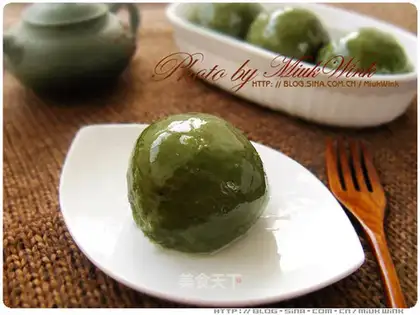
IT'S ALWAYS A SMALL GROUP OF YOUNG PEOPLE WHO HAVE TO PAY FOR THEIR GRAVE. SEVERAL EXPERIMENTS WERE CONDUCTED LAST WEEK, WHICH WERE ADJUSTED AND STUDIED IN DEPTH. FOR EXAMPLE, WATER TEMPERATURE AND WATER CONTENT RATIO ARE HARD TO SLOW RICE, AND THE RATIO ADJUSTMENT OF MILLET POWDER TO STICKY POWDER MAKES IT LESS Q AND LESS POWDERY. IN THE END, THE FAMILY WAS SATISFIED。
Recipe Recommendations
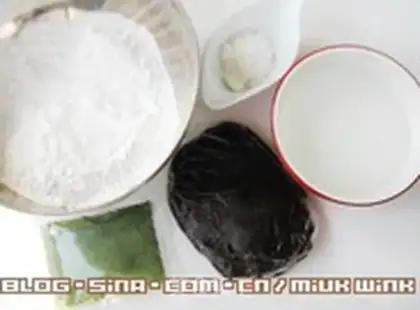
- water milled glutinous rice flour
- sticky rice flour 35 grams
- Chengfen 35 grams
- wormwood powder 10 grams
- hot water 220 grams
- red bean paste 320 grams
- soft white sugar 20 grams
- lard diced appropriate amount
- sweetening
- burn
- ten minutes
- ordinary
Steps for Young-joon
1
WATER GRINDING RICE POWDER 206 GRAMS, STICKY RICE POWDER 35 GRAMS, POLISHED POWDER 35 GRAMS, ALL MIXED. THE RATIO OF PLATINUM POWDER TO PLATINUM POWDER IN THE MATERIAL CAN BE FINE-TUNED, WHILE THE PLATINUM POWDER IS SOFT AND THE PLUME Q BULLETS ARE SOFT。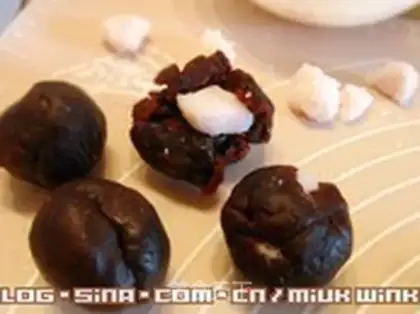
2
First, 320 grams of soybean sand were divided into eight pieces to be added to the pig oil (none of them) and rubbed into a circle of about 40 grams. It is suggested that home-made soybean sand bean sand bean sand bean sand is easier to wrap, for example, if it is too soft to buy market soy sand, it can then be broadly separated into small groups of small groups and frozen as fast as hard。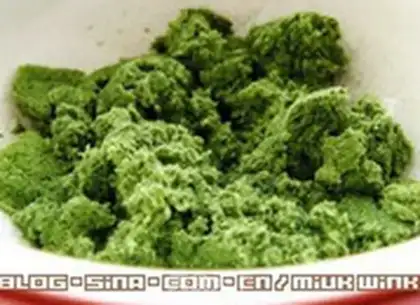
3
Placing alegrass powder in a bowl can increase or decrease its use according to the preferences of the individual, with different colours and scents. Please ask the owner if he can use the food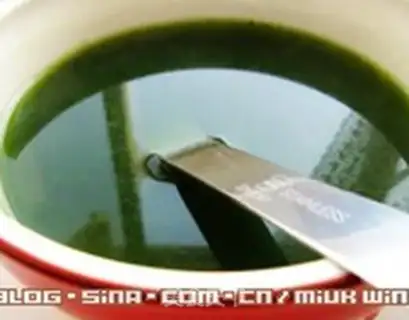
4
Inflow of 220 grams of hot water at temperatures of about 60-70 degrees, not less than 60°C (slightly hot hands). The mixing is even, and the failure to fully dissolve the pollen is normal。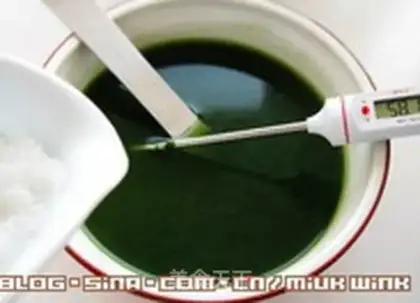
5
Pour 20 grams of sugar and mix it to dissolve it。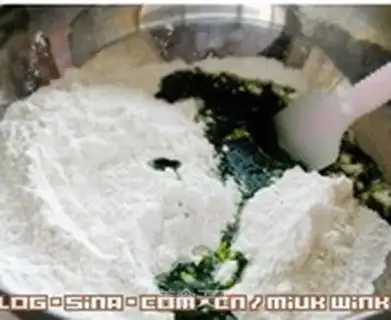
6
Scratch the water with a razor while it's hot. Water use can be fine-tuned, depending on the rate of water consumption。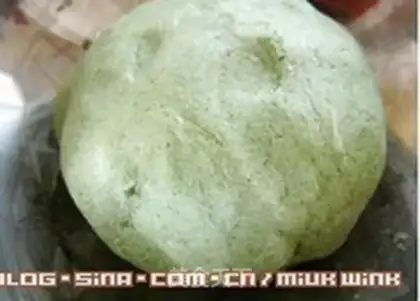
7
When mixed to dry powder, they rubbing their hands into smooth noodles. (Unstill evaporated lasagna is lighter, and when evaporated, it becomes dark green)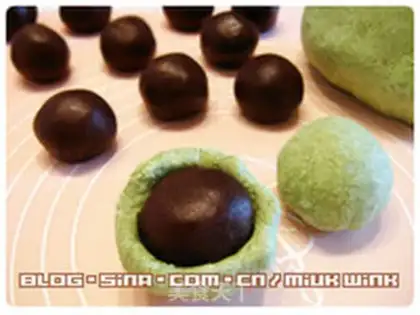
8
Split the noodles into eight small groups, wrap them in soy sauce and squeeze them. The process is also as fast as possible, and it will be softer and easier to operate if it gets cold。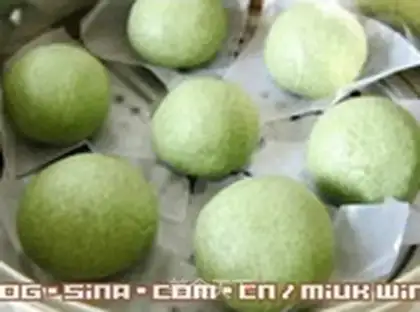
9
(b) To put oil paper on the base of the rim, or leaves, or in a flat bowl that has been brushed with oil. It's about 15 minutes of steam in a hot boiler。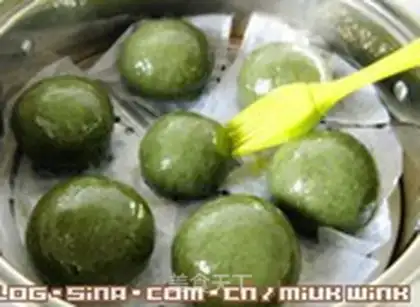
10
When the cage is released, a layer of edible oil is painted on the surface of the guillotine to keep it colourful and adhesive. It is recommended that a small amount be made and evaporated, with the best fresh taste。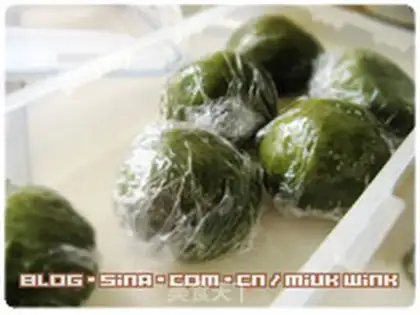
11
Methods of preservation: Brushing a thin layer of oil at the bottom of the container and inside the wall, putting the congee in and tearing out the oil sheet. You need to steam before you eat. (c) Outload storage methods: Oil is brushed, oil paper is torn off, film is to be wrapped separately and steam is to be consumed。Young-joon Make Tips
TIPS: A. The dough is easier to shape while warm; shaping it after cooling tends to make it hard and prone to cracking. To make shaping easier, work as quickly as possible while it is hot. Therefore, it is not advisable to make too many at a time; 6-10 is appropriate. If a large quantity is needed, it can be made in batches (since the steamer cannot hold too many at once anyway). B. Glutinous rice contains a high starch content. After processing and cooking (i.e., starch gelatinization), the starch undergoes retrogradation when slowly cooled at room temperature. This is basically irreversible. Therefore, it results in a hardening of the product's texture. Without adding additives, after personal research, I decided to use water above 60°C and a higher water ratio to try to alleviate retrogradation. C. See http://blog.sina.com.cn/s/blog_5f5c1dbc0100p37e.html for the method of making lard cubes.