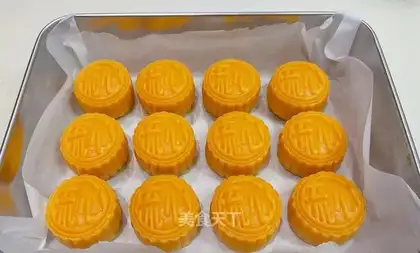
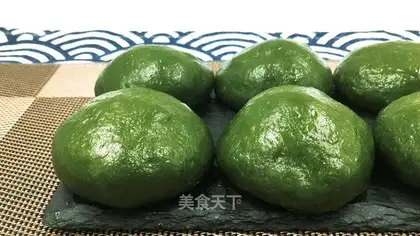
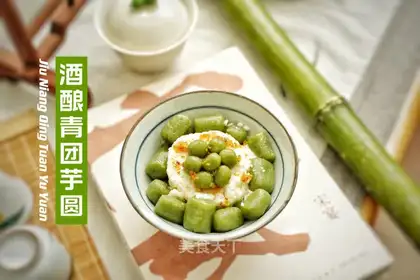
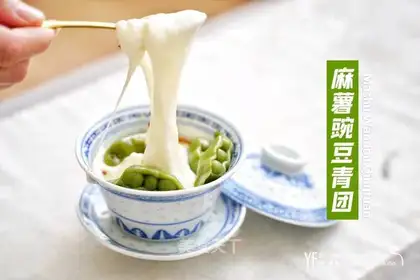
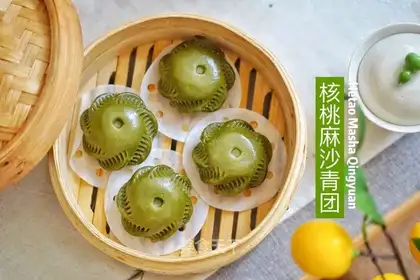
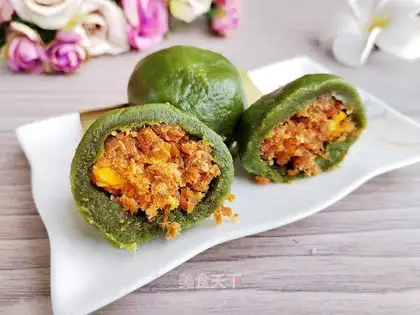
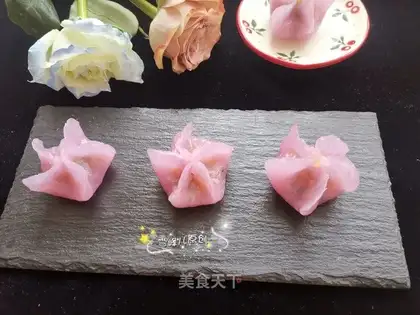
Wheat starch, commonly known as cheng fen (澄粉) in Chinese cuisine, is a refined carbohydrate extracted from wheat grains. Unlike whole wheat flour, which retains the bran, germ, and endosperm, wheat starch is isolated through a process of washing, soaking, and filtering, leaving behind nearly pure starch. This ingredient has been a staple in Asian cooking for centuries, prized for its unique texture in dishes like dim sum (such as har gow and shu mai), noodles, and desserts. While it is valued for its culinary versatility, understanding its nutritional profile, health benefits, and potential risks is essential for making informed dietary choices.
Nutritional Value of Wheat Starch
Wheat starch is primarily composed of carbohydrates, with minimal amounts of protein, fat, and fiber. Its nutritional profile reflects its refined nature, differing significantly from whole wheat products.
Macronutrient Composition
- Carbohydrates: Wheat starch is over 85% carbohydrates, nearly all of which is starch—a complex carbohydrate made up of long chains of glucose molecules. Starch is broken down into glucose during digestion, providing a quick source of energy. However, the refining process removes most fiber, vitamins, and minerals, leaving behind "empty calories" devoid of essential nutrients.
- Protein: Unlike whole wheat flour, which contains about 10-15% protein (including gluten), wheat starch is extremely low in protein (less than 1%). This makes it unsuitable as a primary protein source and necessitates combining it with protein-rich ingredients in balanced meals.
- Fat: Wheat starch is virtually fat-free, with less than 0.1% lipid content. This makes it a low-calorie option for those monitoring fat intake, though its high carbohydrate content still requires moderation.
- Fiber: The refining process strips away nearly all dietary fiber, which is abundant in whole wheat. Fiber is crucial for digestive health, blood sugar regulation, and satiety, so wheat starch’s lack thereof is a notable nutritional drawback.
Micronutrients and Fortification
Whole wheat is a source of B vitamins (such as thiamine, riboflavin, and niacin), iron, magnesium, and zinc. However, these nutrients are concentrated in the bran and germ, which are removed during starch extraction. Unfortified wheat starch is therefore micronutrient-poor. Some commercial products may be fortified with vitamins or minerals to compensate, but this varies by brand.
Glycemic Index (GI)
Wheat starch has a high glycemic index (GI), typically ranging from 60 to 85, depending on the processing method and cooking technique. High-GI foods cause rapid spikes in blood glucose and insulin levels, which can be problematic for individuals with diabetes or insulin resistance. The absence of fiber further exacerbates this effect, as fiber slows glucose absorption.
Health Benefits of Wheat Starch
While wheat starch lacks the nutritional density of whole grains, it offers certain benefits when consumed in moderation as part of a balanced diet.
1. Quick Energy Source
The primary function of wheat starch is to provide energy. Starch is broken down into glucose, which is the body’s preferred fuel for cells, muscles, and the brain. For athletes or individuals with high energy demands, wheat starch can serve as a convenient source of carbohydrates to replenish glycogen stores.
2 Easy Digestibility
Unlike whole grains, which contain fiber and complex carbohydrates that may be difficult for some to digest, wheat starch is highly digestible. This makes it a suitable option for people with digestive sensitivities, such as those with irritable bowel syndrome (IBS) or temporary digestive illnesses (e.g., during recovery from food poisoning). Its bland taste and smooth texture also make it ideal for baby foods or soft diets for the elderly.
3 Culinary Versatility
Wheat starch’s unique properties—such as its ability to form a gel-like consistency when heated, its neutral flavor, and its role in creating a chewy or tender texture—make it invaluable in cooking. For example:
- In dim sum, wheat starch is mixed with tapioca starch to make the wrappers for har gow, giving them a translucent, elastic texture.
- In desserts like tangyuan (glutinous rice balls), wheat starch can be blended with rice flour to achieve a softer, smoother bite.
- In baking, it can be used as a thickener for sauces, soups, or pie fillings, replacing cornstarch for a more neutral taste.
This versatility allows for the creation of diverse dishes, making wheat starch a practical ingredient in both home and professional kitchens.
4 Gluten-Free Alternative (When Combined)
While wheat starch is derived from wheat, which contains gluten, the refining process removes most gluten proteins. This makes it a low-gluten option, though it is not entirely gluten-free. For individuals with mild gluten sensitivities (not celiac disease), wheat starch may be tolerated in small amounts. However, those with celiac disease must avoid it entirely, as trace gluten residues can trigger adverse reactions.
Potential Risks and Precautions
Despite its culinary uses, wheat starch has several limitations and potential risks that must be considered.
1 Blood Sugar Spikes
As a high-GI food, wheat starch can cause rapid increases in blood glucose levels. This is particularly concerning for individuals with diabetes, as frequent spikes can lead to long-term complications such as nerve damage, kidney disease, and cardiovascular issues. For diabetic patients, portion control and combining wheat starch with fiber, protein, or healthy fats (e.g., pairing a wheat starch-based dish with vegetables and lean meat) can help mitigate blood sugar fluctuations.
2 Nutrient Deficiencies
Because wheat starch is refined and nutrient-poor, relying too heavily on it can lead to deficiencies in fiber, vitamins, and minerals. A diet high in refined starches and low in whole grains, fruits, and vegetables increases the risk of constipation, heart disease, and obesity. For example, fiber deficiency, common in diets rich in refined starches, is linked to an increased risk of colorectal cancer.
3 Weight Management Challenges
Wheat starch is calorie-dense yet low in satiety-promoting nutrients like fiber and protein. This can lead to overconsumption, as it does not keep you feeling full for long. For individuals trying to lose or maintain weight, replacing wheat starch with whole grains (e.g., brown rice, quinoa, or whole wheat) is advisable, as these provide more fiber and nutrients with fewer calories per serving.
4 Gluten Contamination for Sensitive Individuals
While wheat starch is low in gluten, it is not gluten-free. The refining process may leave trace amounts of gluten proteins, making it unsafe for people with celiac disease or severe gluten allergies. Such individuals should opt for certified gluten-free starches, such as tapioca, potato, or rice starch.
5 Additives in Commercial Products
Some commercial wheat starch products may contain additives like bleaching agents, preservatives, or anti-caking agents to improve texture or shelf life. For example, bleached wheat starch is treated with chemicals such as benzoyl peroxide to whiten it, though these additives are generally recognized as safe by regulatory bodies like the FDA. However, consumers seeking minimally processed options should choose unbleached, additive-free varieties.
Incorporating Wheat Starch into a Healthy Diet
To enjoy the culinary benefits of wheat starch while minimizing its risks, consider the following tips:
1. Portion Control: Limit wheat starch servings to small amounts, especially if managing blood sugar or weight. For example, use it as a thickener rather than a primary ingredient in dishes.
2. Pair with Nutrient-Rich Foods: Combine wheat starch with fiber-rich vegetables, lean proteins, and healthy fats to balance blood sugar and enhance satiety. For instance, a dish made with wheat starch-based noodles can be paired with stir-fried vegetables and tofu.
3. Moderation in Processed Foods: Many processed snacks (e.g., crackers, cookies, and cakes) use wheat starch as a filler. Reducing consumption of these products can help lower intake of refined carbohydrates and additives.
4. Choose Whole Grains as a Base: Reserve wheat starch for occasional use, and make whole grains the foundation of your diet. Whole wheat, oats, barley, and quinoa provide fiber, vitamins, and minerals that wheat starch lacks.
Conclusion
Wheat starch is a versatile ingredient with a long history in culinary traditions, particularly in Asian cuisine. Its ability to create unique textures and provide quick energy makes it valuable in cooking, but its refined nature means it lacks the nutritional benefits of whole grains. High in carbohydrates but low in fiber, protein, and micronutrients, wheat starch should be consumed in moderation as part of a balanced diet. For individuals with diabetes, celiac disease, or weight management goals, careful consideration of portion sizes and alternative ingredients is essential. By understanding its nutritional profile, benefits, and risks, consumers can make informed choices to enjoy wheat starch’s culinary advantages while prioritizing overall health.