I saw on some websites that the original version of my family folk dish had been reprinted, and the author's name became anonymous, and the source was all from the Internet. Seeing this, I was happy, but I also had an indescribable feeling. I am happy that I can see that someone likes my small dishes and uses them in life. This is my original intention; but my hard-working originality has been quietly plundered, and I feel a little uncomfortable.
Since 2008, I have recorded in pictures and words some of the traditional folk dishes in my hometown that I know how to cook. About a year ago, I introduced the method of making this small dish in Gourmet China. Because I had just registered at that time, I didn't seem to have the authority to do too many actions. I found this text today and looked at it. It also showed an anonymous name. Hehe, I clearly remember that this text was posted by myself, and I can't figure out why my own name was not displayed.
Today, I took the opportunity to officially write a blog in Food China to reveal the identity of the original author of "Cabbage and Bean Curry". In the future, I will borrow the blog of Food China to slowly put on some small dishes I can cook. The original intention of writing these is to record my memories of life. I hope that my children can see my mother's words when they grow up and remember her mother's taste. At the same time, I also hope that my words can bring convenience and joy to the lives of more friends.
This fermented bean curd is moldy tofu, which as the name suggests, is to make the tofu moldy. In particular, this can only be done when the winter temperature is below 8-10 degrees during the year. In other seasons, the temperature is too high to be suitable for this kind of fermented bean curd.
Secretly made delicious cabbage and fermented bean curd
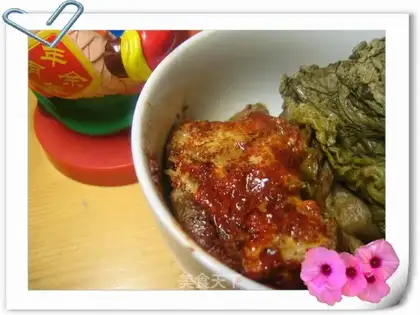
Recipe Recommendations
- medium spice
- skills
- several days
- senior
Steps for Secretly made delicious cabbage and fermented bean curd
1
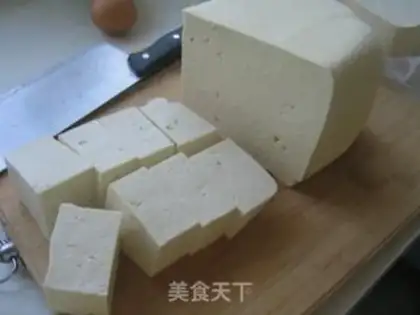
Buy dry fresh tofu and cut the tofu into 2 cm thick and 4 cm square pieces.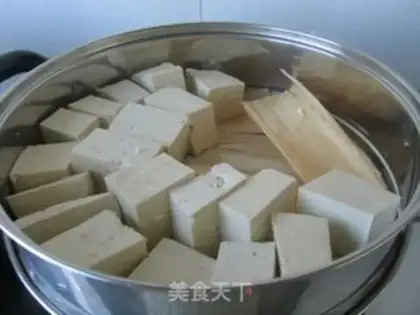
2
Place the tofu pieces in turn in a steamer lined with clean corn leaves or straw (you can also use a carton or bamboo sieve). There must be gaps between blocks. Tofu needs to be placed in multiple layers, and there needs to be a gap between the upper and lower layers.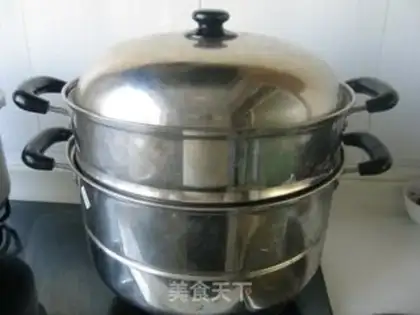
3
Cover the top layer with corn leaves and cover it. If not, use clean straw or wheat straw. If these are not available, cover them with clean paper, and then cover them tightly).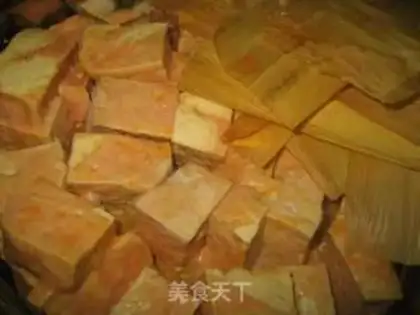
4
Place the tofu at a temperature of 2-8 degrees Celsius for about 12 to 18 days, and wait until the tofu grows Mucor grows to process the fermented bean curd.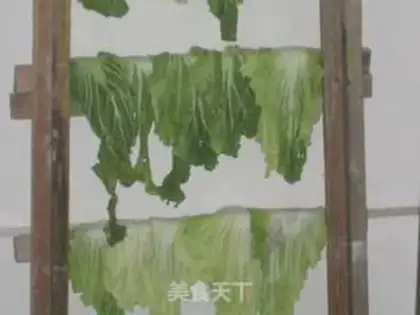
5
If the tofu is moldy for about a week, hang up the clean cabbage leaves and dry them to wilt.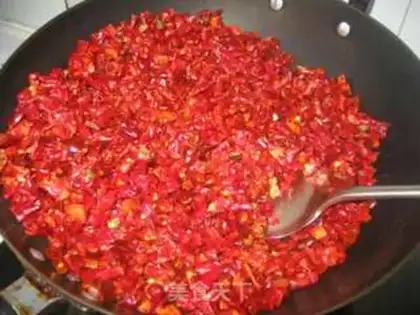
6
Cut the pepper in sections, stir-fry in a clean oil-free iron pot over low heat until crispy.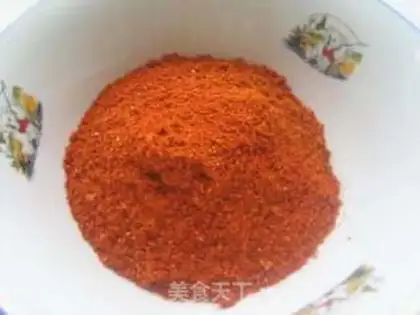
7
Use a cooking machine to beat the pepper segments into paprika powder. Zanthoxylum bungeanum powder can also be made using the same method. You can also use the microwave to bite for two minutes, let cool, and beat it into powder with a cooking machine.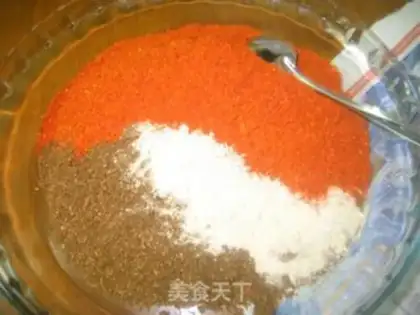
8
Mix chili powder, pepper powder, pepper powder, and salt.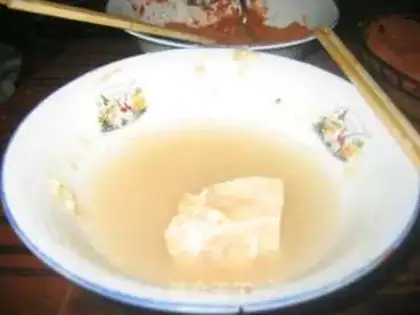
9
Soak the mouldy tofu in high-quality white wine, or roll it around. I use 52-degree grain white wine. It is best to put the tofu pieces in the white wine and use a small spoon to pour the wine evenly onto the surface of the tofu. This way, the tofu will not be easily pinched.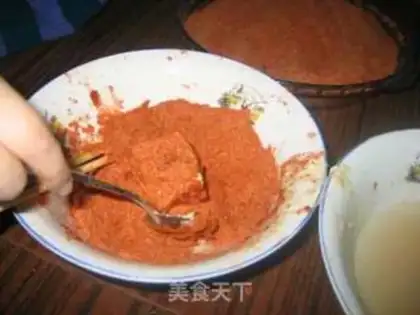
10
Then add it to the mixture of salt, paprika powder, pepper powder, and pepper powder and wrap it with seasoning.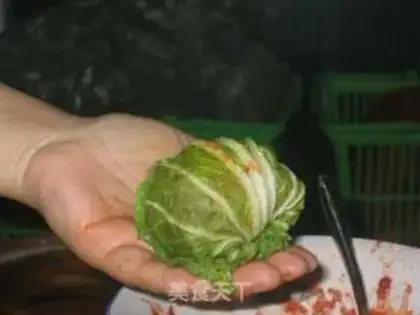
11
After that, wrap them one by one with cabbage leaves and place them neatly into the jar. Seal the mouth of the jar tightly and serve it every other day. The longer the time goes, the stronger the aroma. There is no problem keeping it for more than one year.