Fried salmon
By VicentaLakin
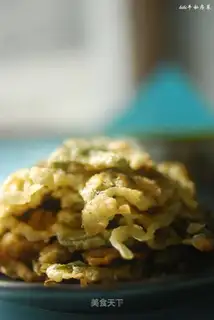
THIS SPRING IS INDEED A LITTLE LATE, AND THE TEMPERATURE IS FAR FROM HIGH IN THE HOME, AND IF IT IS NOT WINDY AND DOES NOT WANT TO BLOW AIR CONDITIONING, WE WOULD PREFER TO STAY OUTSIDE FOR A WHILE, SO THAT WE CAN ENJOY WARM SUNLIGHT AND BREATHE FRESH AIR, AND TRULY EXPERIENCE THE SMELL OF SPRING. HAVING BEEN INFLUENCED BY A FRIEND, I HAVE BEEN PAYING ATTENTION A FEW YEARS AGO TO RAISING A CHILD, AND I HAVE BECOME A HABIT OF LIVING BY CONTINUING TO DO SO. NOW IT IS SPRING TIME TO TALK ABOUT SPRING-SPRING, WHEN EVERYTHING RECOVERS, WHEN THE AIR IS FRESH, IS THE BEST TIME TO ADOPT A NATURAL YANG, THE SO-CALLED “SPRING, SUMMER, AND WINTER”. THE MOST IMPORTANT THING IS TO INSIST ON EXERCISE, SUCH AS JOGGING, WALKING, PLAYING AND EVEN GOING ON A FIELD TRIP, SO AS TO BE ABLE TO ACHIEVE A HIGH LEVEL OF ABDOMINAL AND PULMONARY ACTIVITY, A STRONG BODY AND AN IMPROVED ABILITY TO PREVENT AND TREAT DISEASES AND TO PROVIDE FOR A HEALTHY AND WELL-BEING. BESIDES, CARE ABOUT THE LIVER. THE LIVER IS WOODY, CORRESPONDING TO THE SPRING, THE MAIN RISE, GLAMOROUS DISCHARGE AND DEPRESSION. SO, THE LIVER SHOULD FIRST BE TEMPERED. POOR MOODS CAN LEAD TO HEPATOMAS, DISORDERS IN THE ENDOCRINE SYSTEM, LOSS OF IMMUNE FUNCTIONS, LIVER, CARDIOVASCULAR DISEASE, INFECTIOUS DISEASES, ETC. THEREFORE, EVERYONE SHOULD REMAIN OPTIMISTIC. AND THEN WE HAVE TO ADAPT TO CLIMATE CHANGE. IN THE SPRING, THE CLIMATE IS CHANGING, AND IT IS IMPORTANT TO KEEP WARM AND WARM SO THAT THE AEROBICS ARE NOT HAMPERED. “SPRING AND AUTUMN FREEZE” IS A CLIMATE-RESPONSIVE HEALTH EXPERIENCE. YOU KNOW, WE'VE BEEN WEARING THICK WINTER CLOTHES FOR A WINTER, WE'VE HAD A WEAK METABOLIC FUNCTION, AND IN THE SPRING THE CLIMATE HAS CHANGED. IF YOU'RE WEARING THIN CLOTHES, YOU CAN GET SICK AND YOU CAN LOSE YOUR HEALTH, SO BE CAREFUL TO STAY WARM. AND, YOU KNOW, WATCH OUT FOR THE SPRING DIET. IN THE SPRING, WHEN THE LIVER IS WARM, MORE FOOD SHOULD BE EATEN THAT IS FERTILIZED AND RICH IN PROTEINS, VITAMINS AND MINERALS, SUCH AS SKINNY MEAT, EGGS, BEANS, MILK, HONEY, FRESH VEGETABLES, ETC., SO AS TO CONTRIBUTE TO THE PROMOTION OF POSITIVES AND TO BE CAREFUL NOT TO EAT ACID FOOD SO THAT THE LIVER IS HIGH AND THE STOMACH IS DAMAGED. FINALLY, ADEQUATE WATER SHOULD BE REPLENISHED IN A TIMELY MANNER, INDOOR AIR FLOW ENSURED AND SLEEP TIME REASONABLY SCHEDULED, SO THAT FIRE SYMPTOMS CAUSED BY DRY WEATHER CAN BE EFFECTIVELY AVOIDED. SO TODAY, WE'RE HAVING A SEASON OF FRIED SAUERKRAUT, WHICH IS RICH IN PROTEINS, FATS, SUGARS AND VITAMIN C, WHICH CAN INCREASE PHYSICAL RESISTANCE, E.G., E.G., E.G., E.G., E.G., E.G., E.G., E.G., E.G., E.G., E.G., E.G., E.G., E.G., E.G., E.G., E.G., E.G., E.G., E.G., E.G., E.G., E.G., E.G., E.G., E., E., E., E., E., E.G., C., E., E.G., E., E., E., E.G., E., E., E.G., E.G., E., E., E.G., E., E., E.G., E., E., E., AND IT'S COLD, BITTER, GOOD FOR SPRING FOOD. AND IT'S STILL IN THE RAIN, AND THE FRAGRANCE IS STILL IN THE PRE-RAIN FRAGRANCE PERIOD, SO WE NEED TO HURRY UP AND ENJOY IT
Recipe Recommendations
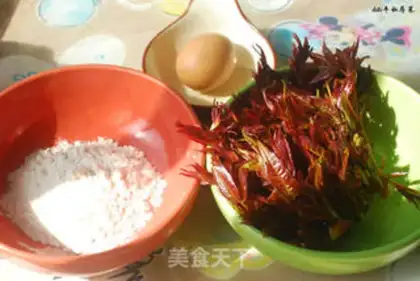
- toona sinensis 1 handful
- flour appropriate amount
- eggs in 1
- salt a little
Steps for Fried salmon
1
Preparation of raw materials (smelling of fresh buds)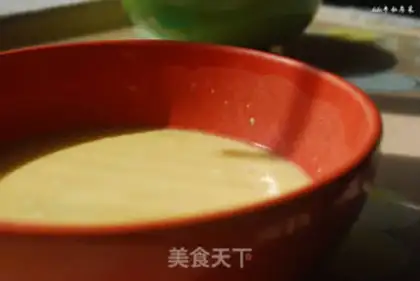
2
Add a little salt, flour and a moderate amount of water to the egg fluid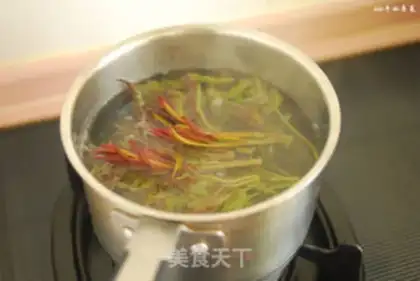
3
And the fragrances are cooked out of open water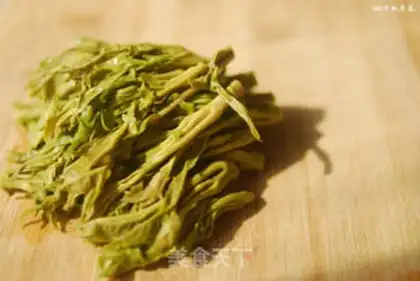
4
Then pass the cold water, and extract dry water for use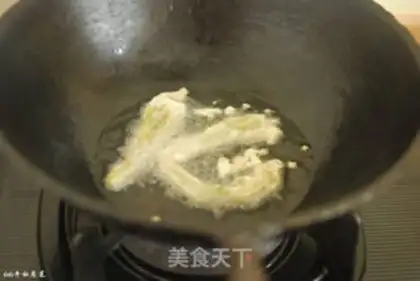
5
(b) Refuel in the pot, and when the oil is as hot as 50% of the heat, sprouts of sprouts are covered and made into the pot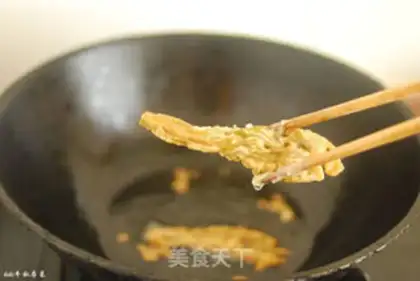
6
(b) To be recovered from both sides when they reach gold, and so forth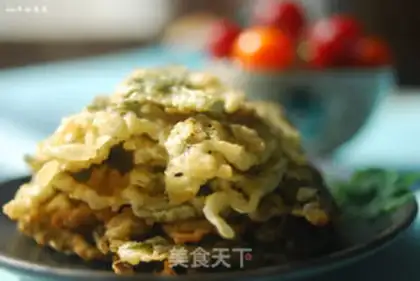
7
Delicious finished。Fried salmon Make Tips
Cooking Tips:
1. Toona sinensis must be blanched beforehand for about one minute.
2. Use the tender shoots of Toona sinensis and cut off the hard parts at the tips to ensure the texture.
3. When deep-frying Toona sinensis, add them one by one; never grab a handful at once, otherwise they will fry into a clump and affect the presentation.
4. The batter must not be too thin, otherwise the Toona sinensis will not adhere to the batter.
Encyclopedia:
Toona sinensis is native to China and widely distributed north and south of the Yangtze River. It belongs to the Meliaceae family and is a deciduous tree. It is dioecious with even pinnately compound leaves, panicle inflorescences, bisexual white flowers, and elliptical capsules with winged seeds that can reproduce. The tree grows tall and is not only a source of edible buds but also a preferred species for landscape greening. Toona buds are rich in nutrition and possess medicinal dietary properties, treating external wind-cold, rheumatic arthralgia, stomach pain, dysentery, and other conditions. Toona is known as the "vegetable on the tree," referring to the tender shoots of the Toona tree. Around the Grain Rain period in spring each year, the tender buds that sprout can be used to make various dishes. It is not only nutritious but also holds significant medicinal value. With thick leaves and tender buds, green leaves with red edges resembling agate and jade, and a rich fragrance, its nutrition is far superior to that of other vegetables, making it a precious delicacy for banquets.
Nutritional Value:
Toona buds contain extremely rich nutrition. Analysis shows that in every 100 grams of Toona buds, there are 9.8 grams of protein, 143 mg of calcium, and 115 mg of Vitamin C, all ranking among the highest in vegetables. Additionally, it contains 135 mg of phosphorus, 1.36 mg of carotene, as well as iron and B vitamins.
Medicinal Value:
[Nature and Flavor Meridians]: Nature is cool, taste is bitter and neutral; it enters the Lung, Stomach, and Large Intestine meridians.
[Efficacy and Indications]: Clears heat and detoxifies, strengthens the stomach and regulates Qi, moistens the skin and improves eyesight, and kills insects. It is used to treat sores, hair loss, red eyes, lung heat cough, and other conditions.
Efficacy and Dietary Therapy:
China is the only country in the world that uses Toona tender buds and leaves in cooking. It is cultivated in Shandong, Anhui, Henan, Shaanxi, Sichuan, as well as southern Hunan and northern Guangxi, with the Taihe Toona of Anhui being the most famous. Toona trees usually begin to sprout around the Qingming Festival and are sold in large quantities in early spring. Depending on quality, Toona buds are divided into green buds and red buds. Red buds are reddish-brown, have good quality and a strong fragrance, and are an important variety for consumption, whereas the green buds are coarse and have a less fragrant aroma. Toona is bitter, astringent, and neutral; it enters the Liver, Stomach, and Kidney meridians. It possesses the effects of clearing heat and detoxifying, strengthening the stomach and regulating Qi, moistening the skin and improving eyesight, killing insects, astringing blood to stop dysentery, and stopping bleeding; it is used to treat sores, hair loss, red eyes, lung heat cough, and other conditions. It can also be used for chronic diarrhea and dysentery, hemorrhoidal bleeding, metrorrhagia and leukorrhea, as well as treating sores, tinea, scabies, and other ailments. Toona is a seasonal delicacy containing volatile aromatic organic substances such as toonaldehyde, which can strengthen the spleen and stimulate the appetite. It contains Vitamin E and sex hormones, offering anti-aging and tonifying effects for both Yin and Yang, hence known as "