Ants on the tree
By VicentaLakin
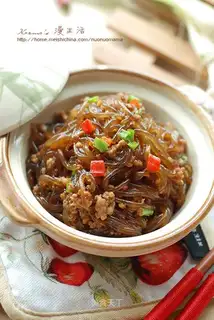
Fans like soup and food can also be used as staples, which can be described as cheap dishes for everyone. Today I'm going to explain how Dad's favorite fan eats, the meat fan, and there's a very interesting dish name: Ants on a tree. Isn't it an image of meat on fans (like an ant crawling on branches)。
Recipe Recommendations
- sweet potato vermicelli 1 handful
- minced meat appropriate amount
- Jiang appropriate amount
- bean paste 1 tablespoon
- garlic cloves of 2
- green onion appropriate amount
- salt 1 teaspoon
- soy sauce 1 tablespoon
- soy sauce half a tablespoon
- chicken essence 1 teaspoon
- salty and fresh
- burn
- ten minutes
- ordinary
Steps for Ants on the tree

1
1. Preparation of food products and the early release of fans with warm water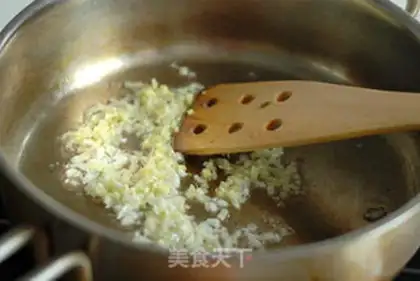
2
1. Preparation of food products and the early release of fans with warm water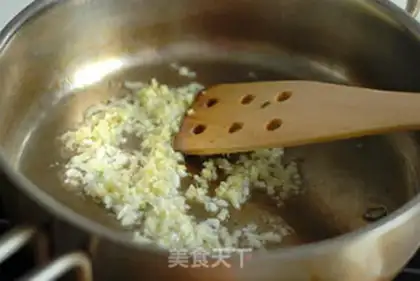
3
2. Heated the ginger paste paste with oil in the frying pan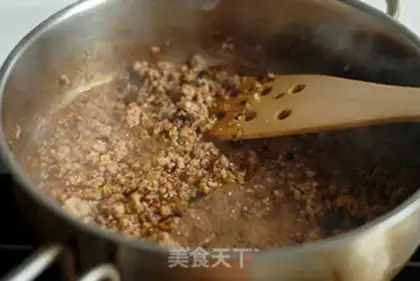
4
3 and soybean and pork paste smelts added to the raw and old swirling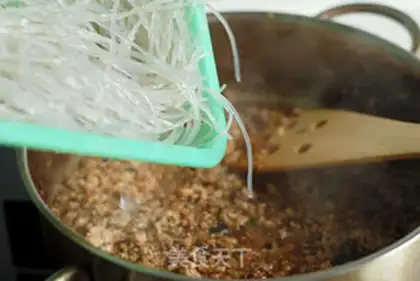
5
4. Add fans and a bowl of soup or fresh water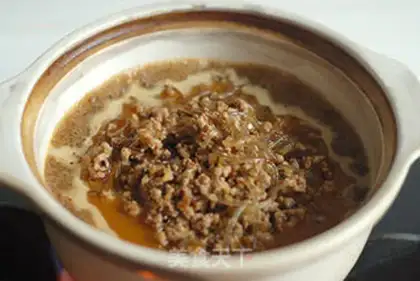
6
5. Transfer into the pot and dry up the soup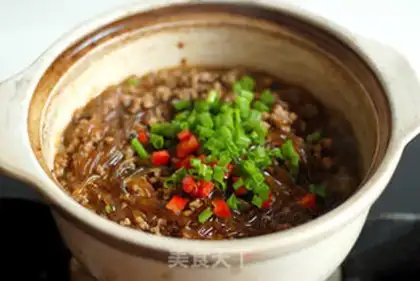
7
Six, salt, onions, chicken。Ants on the tree Make Tips
1. Selection of vermicelli: When purchasing vermicelli or glass noodles, identify them by appearance. Any that feel soft and flexible, elastic, have uniform thickness, no clumped strands, and no brittle pieces are genuine products. Inferior vermicelli usually has uneven thickness, is prone to breaking and becoming mushy, has clumps and broken strands, poor flexibility and elasticity, mold spots, and a large amount of impurities or harmful impurities.
2. If you prefer a drier, more aromatic texture, add less broth and cook for a shorter time.
3. Vermicelli absorbs water quickly, so do not cook until the liquid is completely reduced; leaving a small amount of liquid is better.