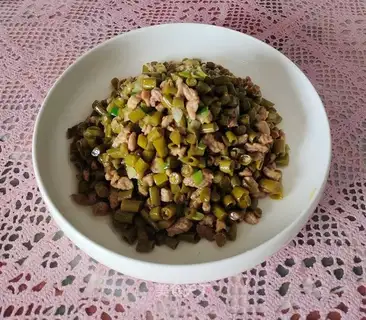
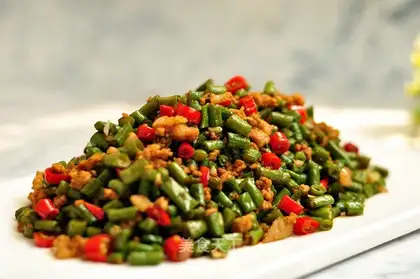
Ground meat, a culinary staple across cultures, is valued for its versatility, affordability, and rich flavor. From Italian bolognese to Asian stir-fries, this ingredient forms the backbone of countless dishes. However, its nutritional profile and health implications are often misunderstood. This article explores the nutritional value of ground meat, its scientifically supported health benefits, and important precautions to maximize its safety and benefits.
I. Nutritional Value of Ground Meat
Ground meat, typically derived from livestock (beef, pork, lamb) or poultry (chicken, turkey), is a nutrient-dense food, providing a concentrated source of high-quality protein, essential vitamins, and minerals. Its nutritional composition varies slightly by type (e.g., lean vs. fatty, red vs. white meat), but core nutrients remain consistent.
1. High-Quality Protein
Protein is the most abundant nutrient in ground meat, accounting for 20–30% of its weight, depending on the cut and fat content. Unlike plant-based proteins, meat protein is "complete," containing all nine essential amino acids (histidine, isoleucine, leucine, lysine, methionine, phenylalanine, threonine, tryptophan, and valine) that the human body cannot synthesize. These amino acids are critical for:
- Muscle maintenance and repair: Protein provides the building blocks for muscle tissue, making it vital for athletes, older adults, and individuals recovering from injury.
- Enzyme and hormone production: Amino acids serve as precursors for enzymes (e.g., digestive enzymes) and hormones (e.g., insulin, growth hormone).
- Immune function: Antibodies, which defend against pathogens, are proteins.
For example, 100 grams of lean ground beef (10% fat) provides approximately 26 grams of protein, meeting over 50% of the daily protein needs for an average adult.
2. Essential Vitamins
Ground meat is a rich source of B vitamins, which play key roles in energy metabolism and nervous system health:
- Vitamin B12 (cobalamin): Found almost exclusively in animal products, vitamin B12 is essential for red blood cell formation, DNA synthesis, and nerve function. A deficiency can lead to anemia, fatigue, and neurological damage. Just 100 grams of ground beef provides 2.6 micrograms of B12, exceeding the daily recommended intake (2.4 micrograms for adults).
- Niacin (B3): Supports energy production, skin health, and cholesterol regulation. Ground beef contains 4.8 mg of niacin per 100 grams, covering 30% of the daily value (DV).
- Vitamin B6: Aids in protein metabolism and neurotransmitter synthesis (e.g., serotonin, dopamine). Ground meat provides 0.5 mg per 100 grams, 29% of the DV.
- Riboflavin (B2): Important for energy production and eye health.
Red meats (beef, lamb) are particularly rich in these vitamins, while poultry (chicken, turkey) offers lower but still significant amounts.
3. Key Minerals
Ground meat is a powerhouse of highly bioavailable minerals—minerals that are easily absorbed by the body compared to plant sources:
- Iron: Meat contains heme iron, the form most efficiently absorbed by the body (15–35% absorption, vs. 2–20% from non-heme iron in plants). Iron is critical for oxygen transport (via hemoglobin) and energy production. A 100-gram serving of lean ground beef provides 2.7 mg of iron, 15% of the DV. Iron deficiency is common in women and children, making ground meat a valuable dietary source.
- Zinc: Supports immune function, wound healing, and DNA synthesis. Heme zinc in meat is better absorbed than plant zinc. Ground beef provides 5.9 mg per 100 grams, 54% of the DV.
- Selenium: Acts as an antioxidant, protecting cells from damage, and supports thyroid function. Ground meat (especially beef) is a top source, with 22 mcg per 100 grams (40% of the DV).
- Phosphorus: Works with calcium to build strong bones and teeth. Ground meat provides 200 mg per 100 grams, 16% of the DV.
4. Fat Content: A Double-Edged Sword
The fat content in ground meat varies widely: lean cuts (e.g., ground sirloin, 10% fat) have 10–15 grams of fat per 100 grams, while fatty cuts (e.g., ground chuck, 30% fat) may contain 25–30 grams. Fats in meat include:
- Saturated fat: Primarily from animal fats, excessive intake is linked to high cholesterol and heart disease. Leaner cuts minimize this risk.
- Monounsaturated fat: Found in both red and white meat, this "healthy" fat supports heart health by reducing LDL ("bad") cholesterol.
- Omega-3 fatty acids: Grass-fed beef contains small amounts of omega-3s (e.g., ALA), which reduce inflammation and support brain health.
Poultry (chicken, turkey) is generally leaner than red meat, with ground turkey breast containing only 3 grams of fat per 100 grams.
II. Health Benefits of Ground Meat
When consumed as part of a balanced diet, ground meat offers several evidence-based health benefits:
1. Supports Muscle Mass and Physical Strength
The high-quality protein in ground meat stimulates muscle protein synthesis (MPS), the process by which the body repairs and builds muscle tissue. This is particularly important for:
- Athletes: Protein needs are higher for active individuals (1.2–2.0 grams per kilogram of body weight) to support training and recovery. Ground meat’s amino acid profile makes it an ideal post-workout meal.
- Older adults: Sarcopenia (age-related muscle loss) affects 30% of adults over 50. Protein-rich foods like ground meat help preserve muscle mass, maintaining mobility and independence.
2. Prevents Nutrient Deficiencies
Ground meat is a "nutrient rescue" for individuals at risk of deficiencies:
- Iron deficiency anemia: Heme iron in meat is highly effective at reversing iron deficiency, especially in pregnant women (who need 27 mg of iron daily) and women of childbearing age.
- Vitamin B12 deficiency: Vegetarians and vegans are at high risk of B12 deficiency, which can cause irreversible nerve damage. Regular ground meat consumption (even in small amounts) prevents this.
- Zinc deficiency: Zinc deficiency impairs immune function and wound healing. Ground meat’s bioavailable zinc helps meet daily needs, particularly for children and adolescents.
3. Enhances Satiety and Weight Management
Protein and fat in ground meat promote satiety (the feeling of fullness), reducing overall calorie intake. Studies show that high-protein meals:
- Increase levels of satiety hormones (e.g., peptide YY, GLP-1).
- Decrease levels of ghrelin (the "hunger hormone").
- Reduce snacking and overeating later in the day.
For example, a 2020 study in The American Journal of Clinical Nutrition found that participants who consumed high-protein meals (including lean ground meat) had 12% lower daily calorie intake than those on a high-carbohydrate diet.
4. Supports Brain and Nervous System Health
The B vitamins in ground meat are critical for brain function:
- Vitamin B12: Deficiency is linked to cognitive decline, memory loss, and depression. Adequate B12 intake maintains myelin (the protective sheath around nerves) and neurotransmitter production.
- Choline: Found in small amounts in meat, choline supports memory and mood regulation. A 100-gram serving of ground beef provides 100 mg of choline (18% of the DV).
5. Boosts Immune Function
Zinc, selenium, and protein in ground meat work together to strengthen the immune system:
- Zinc: Essential for the development and function of immune cells (e.g., T-cells, neutrophils).
- Selenium: Enhances antioxidant activity, reducing inflammation and supporting immune responses.
- Protein: Provides the amino acids needed to produce antibodies and cytokines (signaling molecules in the immune system).
III. Precautions and Potential Risks
While ground meat offers numerous benefits, improper consumption or selection can pose health risks. Understanding these precautions is key to enjoying it safely.
1. Choose Lean Cuts to Limit Saturated Fat
Excessive saturated fat intake is linked to high LDL cholesterol, heart disease, and stroke. To minimize this:
- Opt for lean ground meat (labeled "90% lean" or higher). For example, 90% lean ground beef has 10 grams of fat per 100 grams, vs. 20 grams in 80% lean.
- Trim visible fat before cooking.
- Balance meat intake with plant-based proteins (e.g., beans, lentils) to reduce overall saturated fat consumption.
2. Avoid Processed Ground Meat
Processed meats (e.g., sausages, hot dogs, pre-seasoned ground meat) often contain:
- Sodium: A single serving of processed ground meat may provide 500–1000 mg of sodium (20–40% of the daily limit), increasing the risk of high blood pressure and stroke.
- Preservatives: Nitrites and nitrates are used to prevent bacterial growth but may form carcinogenic compounds (e.g., nitrosamines) when cooked at high temperatures.
- Additives: Fillers (e.g., soy protein, starches) and artificial flavors reduce nutritional value.
Stick to unprocessed, plain ground meat and season it at home with herbs, spices, and low-sodium sauces.
3. Cook Thoroughly to Kill Harmful Bacteria
Ground meat is a high-risk food for bacterial contamination (e.g., E. coli, Salmonella, Listeria) because its grinding process spreads bacteria from the surface to the interior. Undercooked ground meat can cause food poisoning, with symptoms like diarrhea, vomiting, and fever (and in severe cases, organ failure).
- Safe cooking temperatures: Use a food thermometer to ensure ground meat reaches 160°F (71°C) for beef, pork, and lamb; 165°F (74°C) for poultry.
- Avoid "rare" ground meat: Unlike whole cuts (e.g., steak), where surface bacteria are killed during searing, ground meat must be cooked thoroughly to eliminate internal bacteria.
4. Limit Red Meat Consumption to Reduce Chronic Disease Risk
The World Health Organization (WHO) classifies processed red meat as a "Group 1 carcinogen" (carcinogenic to humans) and unprocessed red meat as a "Group 2A carcinogen" (probably carcinogenic), based on links to colorectal cancer. Potential mechanisms include:
- Heme iron: Promotes the formation of carcinogenic compounds (e.g., N-nitroso compounds) in the gut.
- Saturated fat: May increase inflammation and gut bacteria linked to cancer.
To mitigate risk:
- Limit red meat (beef, pork, lamb) to 1–2 servings per week (1 serving = 85 grams, or 3 ounces).
- Prioritize poultry and fish (which are not classified as carcinogens) more frequently.
5. Balance with Fiber and Antioxidants
A diet high in ground meat (especially red meat) without sufficient fiber may increase the risk of colorectal cancer. Fiber promotes gut health by:
- Feeding beneficial gut bacteria, which produce anti-inflammatory compounds (e.g., short-chain fatty acids).
- Speeding up digestion, reducing contact between heme iron and the colon lining.
Pair ground meat with fiber-rich foods (e.g., vegetables, whole grains, legumes) and antioxidant-rich spices (e.g., turmeric, garlic, rosemary) to counteract potential carcinogenic effects.
IV. Conclusion
Ground meat is a nutrient-dense food that provides high-quality protein, essential vitamins (B12, niacin), and minerals (iron, zinc, selenium), supporting muscle health, immune function, and nutrient status. However, its benefits depend on mindful consumption: choosing lean cuts, avoiding processed varieties, cooking thoroughly, and limiting red meat intake to reduce risks of heart disease and cancer.
When incorporated into a balanced diet rich in plants, whole grains, and healthy fats, ground meat can be a valuable part of a healthy lifestyle. By understanding its nutritional profile and precautions, individuals can enjoy its flavor and benefits while minimizing potential harms. As with all foods, moderation and variety are key to long-term health.