Stewed hairtail with chives
By WillaMayert
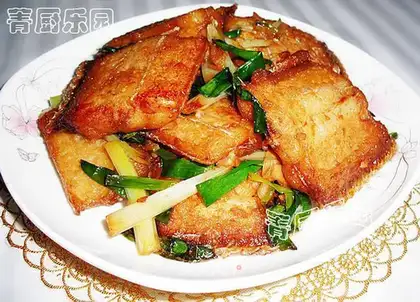
How to fry hairfish without sticking to the pan or breaking? I believe many people's answers are: buy a non-stick pan, or marinate the fish in advance, or wrap it with a layer of starch or egg liquid, or wipe the pan with a piece of ginger before pouring oil into the frying pan... and so on. So is this a waste of not only money but also materials?! Chef Jing recommends to everyone today that it is simple and does not cost much materials to fry pieces of fish without sticking to the pan and is perfect. If you want to know, follow Chef Jing to take a look.
Recipe Recommendations
- hairtail appropriate amount
- chives appropriate amount
- Jiang appropriate amount
- garlic appropriate amount
- soy sauce appropriate amount
- soy sauce appropriate amount
- peanut oil appropriate amount
- chicken essence appropriate amount
Steps for Stewed hairtail with chives
1
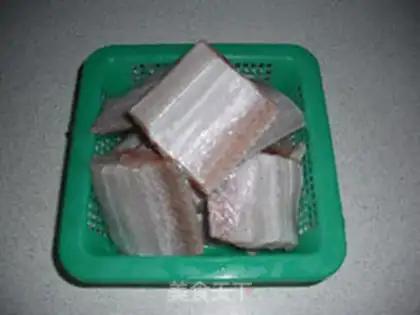
Handle the hairtail, wash and cut into slices, drain and set aside. (No matter how big or small hairtail, you must first buy fresh ones. This is the first step to frying hairtail)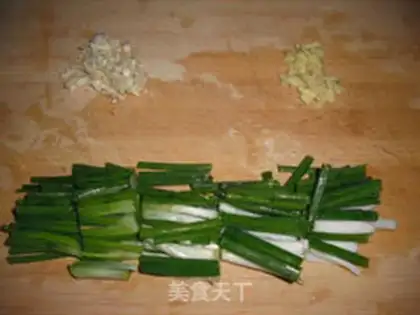
2
Wash the chives and cut into sections; chop ginger and garlic into minced pieces.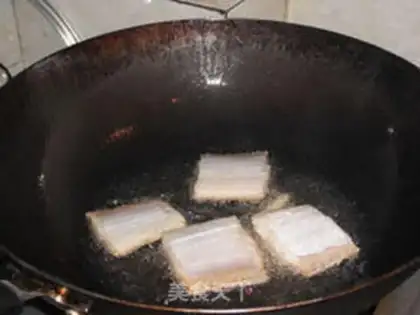
3
Heat the pan and boil it dry without water drops. Pour in peanut oil and heat it up. Turn the pan a little to make there is oil all around the half pan. When you see a little smoke, you can put the hairtail in one piece and fry it. (Be careful not to flip it after putting it in)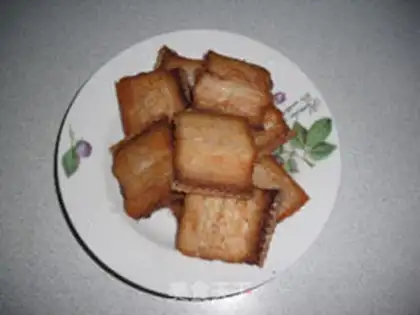
4
When the fish skin is fried until golden brown, turn and fry the other side so that the fish will not stick to the pan and be complete; after frying the hairtail, control the oil and place it on a plate for later use. (Pour out the fried oil and leave it to fry other things, because the fried oil has no nutrients)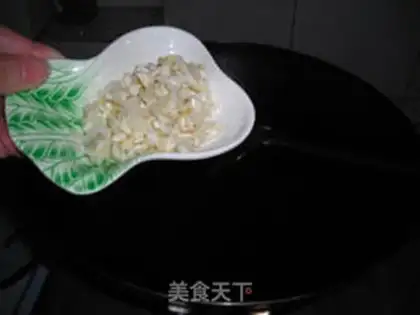
5
Pour appropriate amount of peanut oil into the original pan, heat it, add garlic and ginger and saute until fragrant.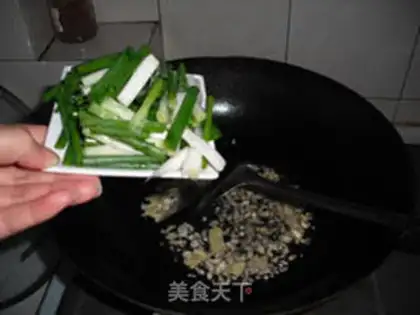
6
Then add the chives and stir fry until fragrant.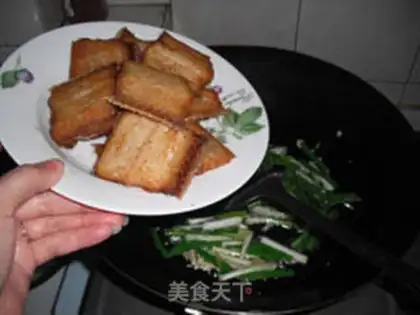
7
Then add the fried hairtail and stir fry.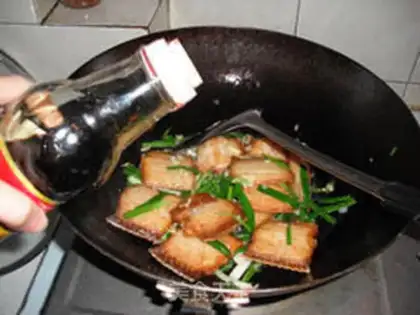
8
Pour in appropriate amount of soy sauce to taste, a little soy sauce to color, and stir fry evenly.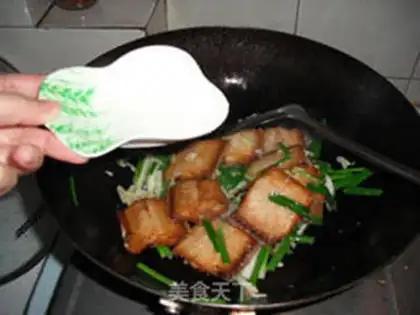
9
Pour a proper amount of water into the edge of the pan, not too much. It is best to dry the soup while it is fully flavored. Cover the lid and simmer for about 3 minutes. (In fact, soy sauce and soy sauce are salty enough, but if you like something with a stronger flavor, don't forget to add some refined salt here)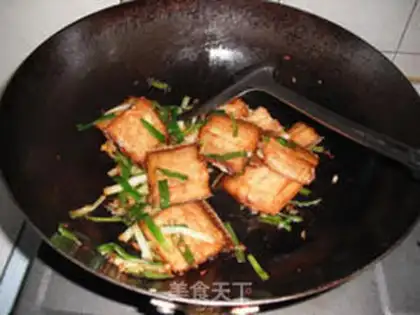
10
When it is almost ready, open the lid, add some chicken essence, stir well, and serve on a plate.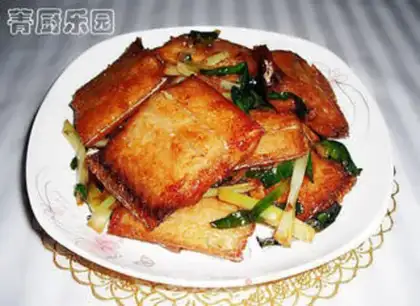
11
A delicious dish with bright red color, salty and fragrant taste, no soup, tender skin and tender inside, tempting fragrance, fresh and delicious fish, and neither fishy nor astringent, is displayed on your warm dining table, making your appetite big. You will never get tired of eating it.Stewed hairtail with chives Make Tips
【Nutritional Value】:
1. Beltfish, also known as scabbardfish or hairtail, has a higher fat content than ordinary fish. Most of this fat consists of unsaturated fatty acids with long carbon chains, which help lower cholesterol.
2. The scales and silvery-white oil layer covering the entire body of the beltfish contain an anti-cancer component called 6-thioguanine, which is beneficial as an adjuvant treatment for leukemia, gastric cancer, lymph tumors, etc.
3. Regular consumption of beltfish has the effect of tonifying the five internal organs.
4. Beltfish is rich in magnesium, which provides excellent protection for the cardiovascular system and helps prevent cardiovascular diseases such as hypertension and myocardial infarction. Eating beltfish regularly also helps nourish the liver and blood, and moisturize the skin and hair for a healthy appearance.
5. Eating fresh beltfish with papaya has certain therapeutic effects on conditions such as insufficient lactation after childbirth and traumatic bleeding.
【Identification of Beltfish Quality】:
The quality of beltfish can be identified from the following aspects:
(1) Body surface: High-quality beltfish have a shiny body surface, complete scales that do not fall off easily, intact fins, and no belly rupture or severed heads. Low-quality beltfish have a dull body surface, scales that fall off easily, only a few silver scales remaining, a greyish-yellow body color, and show signs of belly rupture or severed heads.
(2) Fish eyes: For high-quality beltfish, the eyeballs are full and the corneas are transparent. For low-quality beltfish, the eyeballs are slightly sunken and the corneas are slightly cloudy.
(3) Muscles: High-quality beltfish have thick, firm muscles and are elastic. Low-quality beltfish have soft muscles and poor elasticity.
(4) Weight: High-quality beltfish weigh over 0.5 kg each. Low-quality beltfish weigh about 0.25 kg each.