Blast the woman
By VicentaLakin
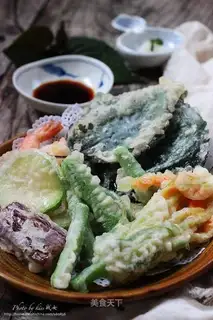
It sounds like a very soft, very female name, and it always reminds me of a euphemist Japanese woman wearing a wooden tug. But in fact, Tianyuan is quite alive, and it's actually a way of cooking, fried. In Japanese food, most talk about the taste of raw juice, what it was, what it was, what it was, what it was, what it was, what it was, what it was, what it was, what it was, what it was, what it was, what it was, what it was, what it was, what it was, what it was, what it was, what it was, what it was, what it was, what it was, what it was, and it was raw, and it was small, it cut, and it was small. But in the name of the Tiny Woman, it's not the same: it's always covered in a tarp and made of gold, and it's soft, usually with sauce and radish mud, fresh and delicious. This way of cooking actually comes from China, with yellow fish and long rows, and it's just passing around, and it's a little different when it comes to local habits. The Chinese “face-to-face” is thicker, covering up all the raw materials, while Tian Yu is light, although it has no heavy taste in it, as if it were instantaneous. By the way, Tianyu is a Portuguese-language Tempura translation, meaning "Quicker"。
Recipe Recommendations
- shrimp appropriate amount
- zucchini appropriate amount
- perilla leaf appropriate amount
- pumpkin flower appropriate amount
- beans appropriate amount
- eggplant appropriate amount
- white radish appropriate amount
- low-gluten flour 50 grams
- ice water 100 ml
- egg white a
- salt a little
- Chai fish soup 100 ml
- soy sauce 25 ml
- mirin 25 ml
Steps for Blast the woman
1
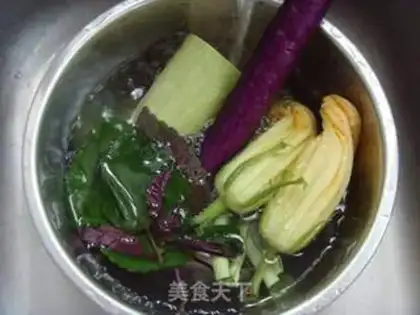
Eggplants, violets, thiopees, bean horns, melons are washed and dried; white radish is washed and purified into mud, mixed with sauce to boil。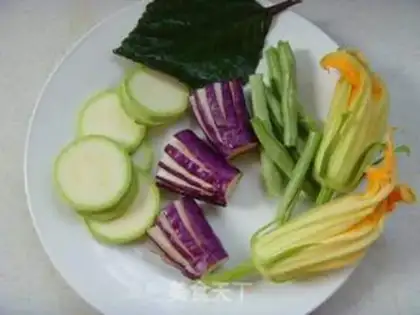
2
The eggplant cut the tits, cut the comb knife, cut the slices, cut the leg of the bean。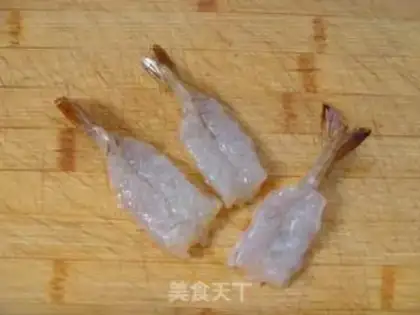
3
Shrimp skins, go to the intestines, slash the abdomen by two to three knives, stretches the body by pressing the back of the shrimp, so that it can blow up a pen of unbridled shrimp。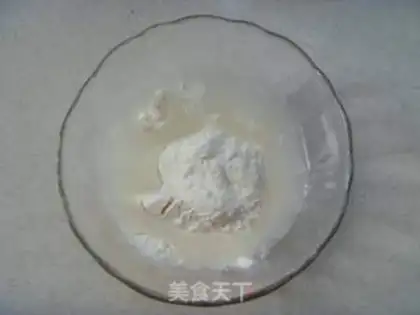
4
In the cold water, the eggs are scattered, and in the low-banded flour is easily mixed, not evenly mixed。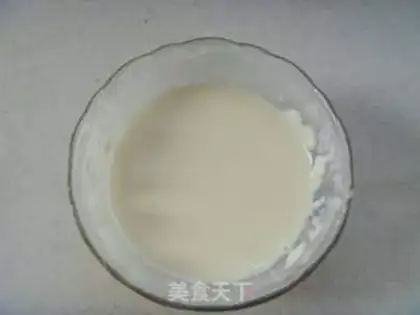
5
Conciliate with a fluent noodle。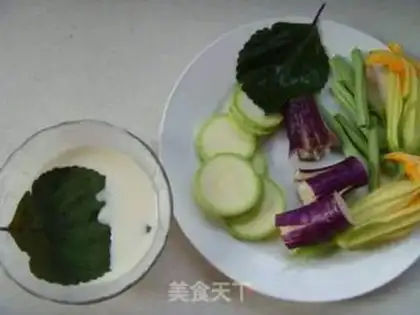
6
The boiler is as hot as 70%, and it covers all the time。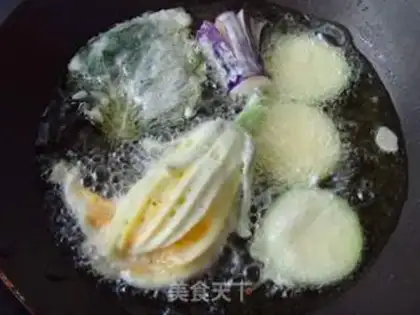
7
Blasted to the clinker and leached the oil on the kitchen paper towel。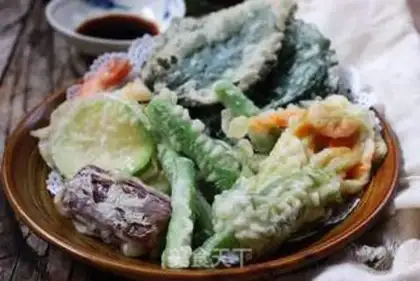
8
When you eat it, you mix white radish mud in the sauce and enjoy it together。Blast the woman Make Tips
Tempura is traditionally eaten by dipping it in a sauce made from soy sauce and grated daikon radish. When making it at home, it's not always so elaborate, and a seasoning of salt and crushed white pepper can be just as delicious.
Tempura was traditionally fried in pure sesame oil. However, sesame oil has a strong fragrance that can easily overpower the taste of the ingredients. Therefore, modern restaurants often mix in a small amount of canola oil to better bring out the natural flavors of the food.
When making the batter for tempura, it is essential to use ice water. This is what creates the light, crispy, snowflake-like texture.
The batter must be prepared right before frying. If it is left to sit for too long, it will develop gluten and become sticky, compromising the crispiness of the tempura.
The oil temperature is the most critical factor. If it's too hot, the batter and ingredients will burn and absorb excess oil. If it's too low, the batter won't be crispy, and the ingredients will become soft from absorbing oil. Therefore, the oil temperature must be maintained at around 175-180°C (347-356°F) during cooking.
Low heat oil (70-100°C) is characterized by a calm oil surface with no blue smoke or sizzling sounds. Medium heat oil (110-170°C) has no blue smoke on the surface, and the oil circulates from the edges toward the center. High heat oil (180-220°C) has light smoke on the surface, which remains calm, and sizzles when stirred with a ladle.