The Edible Treasure: Unveiling the Nutritional Power and Culinary Wonders of Pumpkin Blossoms
In the world of culinary arts, the focus often lands on the fruits of labor—the plump pumpkin, the sweet carrot, or the robust tomato. Yet, nestled among the sprawling vines of the pumpkin plant (Cucurbita pepo) lies a fleeting, delicate treasure often overlooked: the pumpkin blossom. More than just a garnish, these vibrant, sun-kissed flowers are not only a culinary delight but also a nutritional powerhouse. This article delves into the rich tapestry of pumpkin blossoms, exploring their impressive nutritional profile, diverse health benefits, and important precautions to ensure safe and enjoyable consumption.
A Blossoming History: From Ancient Staple to Modern Delicacy
Pumpkin blossoms have been a part of human cuisine for centuries, with roots tracing back to ancient Mesoamerican cultures like the Aztecs and Mayans. For them, the pumpkin was a staple crop, and every part of the plant was utilized for sustenance. The blossoms, with their mild, slightly sweet flavor, were incorporated into traditional dishes long before the arrival of Europeans in the Americas. Today, this ancient ingredient has experienced a renaissance, celebrated by chefs and home cooks alike for its unique texture, subtle taste, and stunning visual appeal. From being stuffed and fried to being used in fresh salads and soups, the pumpkin blossom has secured its place as a gourmet ingredient that bridges history and contemporary cuisine.
The Nutritional Goldmine: What Lies Within a Pumpkin Blossom?
At first glance, a pumpkin blossom may seem fragile and insubstantial, but beneath its delicate petals lies a surprising concentration of vitamins, minerals, and beneficial plant compounds. Consuming these flowers is a way to add a burst of nutrition to one's diet in a low-calorie package.
1. Exceptional Vitamin A Content: Pumpkin blossoms are a phenomenal source of carotenoids, pigments that the body converts into Vitamin A. Specifically, they are rich in beta-carotene, lutein, and zeaxanthin. Vitamin A is crucial for numerous bodily functions, most notably for maintaining healthy vision, supporting a robust immune system, and ensuring proper cell growth and division. The presence of lutein and zeaxanthin is particularly beneficial for eye health, as these antioxidants accumulate in the macula of the eye, protecting it from oxidative stress and age-related degeneration, such as cataracts and macular degeneration.
2. A Potent Source of Vitamin C: Ascorbic acid, or Vitamin C, is another abundant nutrient in pumpkin blossoms. This powerful antioxidant plays a vital role in collagen synthesis, which is essential for skin elasticity, wound healing, and the maintenance of healthy blood vessels. Furthermore, Vitamin C is a key player in immune function, enhancing the body's ability to fight off infections and diseases. It also aids in the absorption of iron from plant-based sources, making it an important nutrient for vegetarians and vegans.
3. A Good Source of B-Complex Vitamins: Pumpkin blossoms contain a respectable amount of several B-vitamins, including folate (B9), riboflavin (B2), and niacin (B3). Folate is critical for DNA synthesis and repair, making it especially important during periods of rapid growth, such as pregnancy and infancy. It also plays a role in preventing certain types of anemia. Riboflavin and niacin are essential for converting the food we eat into energy (metabolism) and for maintaining proper neurological function.
4. Essential Minerals: While not as dense in minerals as some other vegetables, pumpkin blossoms still contribute valuable amounts to the diet. They provide a notable quantity of potassium, an electrolyte that is vital for regulating fluid balance, nerve signals, and muscle contractions, including the heartbeat. Adequate potassium intake is also linked to lower blood pressure. Additionally, they contain smaller amounts of calcium, which is fundamental for bone and teeth health, and magnesium, which is involved in over 300 biochemical reactions in the body, including muscle and nerve function, blood sugar control, and blood pressure regulation.
5. Antioxidants and Anti-Inflammatory Compounds: Beyond the specific vitamins, pumpkin blossoms are packed with a variety of antioxidants that combat oxidative stress—a key driver of chronic diseases and aging. The carotenoids mentioned earlier, along with other polyphenols, help neutralize harmful free radicals in the body. This antioxidant activity is closely linked to anti-inflammatory effects, which can help reduce the risk of chronic conditions such as heart disease, arthritis, and certain types of cancer.
6. Low in Calories, High in Fiber: For those mindful of their caloric intake, pumpkin blossoms are an excellent choice. They are very low in calories, making them a guilt-free addition to any meal. Furthermore, they provide a good amount of dietary fiber, which aids in digestion, promotes a feeling of fullness (satiety), and helps regulate blood sugar levels.
The Health Benefits: More Than Just a Pretty Flower
The impressive nutritional composition of pumpkin blossoms translates into a host of tangible health benefits, making them a valuable addition to a balanced diet.
1. Enhanced Eye Health: The high concentration of lutein and zeaxanthin makes pumpkin blossoms a food that is exceptionally good for your eyes. Regular consumption can help protect the retina from damage caused by blue light from screens and the sun, thereby reducing the risk of developing age-related eye diseases.
2. Strengthened Immune System: The synergy of Vitamin C, Vitamin A, and other antioxidants creates a formidable defense for the immune system. Vitamin C stimulates the production and function of white blood cells, the body's primary infection-fighting cells, while Vitamin A helps maintain the integrity of the skin and mucous membranes, which act as physical barriers against pathogens.
3. Improved Skin Health: The combination of Vitamin A and Vitamin C is a boon for skin health. Vitamin A promotes cell turnover and prevents the overproduction of keratin, which can clog pores and lead to acne. Vitamin C, as a precursor to collagen, helps keep the skin firm, supple, and resilient, reducing the appearance of fine lines and wrinkles.
4. Reduced Inflammation and Chronic Disease Risk: The anti-inflammatory properties of the antioxidants in pumpkin blossoms can help mitigate chronic, low-grade inflammation, a underlying factor in many modern diseases, including heart disease, diabetes, and obesity. By neutralizing free radicals, these compounds protect cellular components from damage, thereby lowering the overall risk of developing these conditions.
5. Better Digestive Health: The fiber content in pumpkin blossoms supports a healthy digestive system by adding bulk to stool and promoting regular bowel movements. This can help prevent constipation and maintain a healthy gut microbiome, which is increasingly recognized for its profound impact on overall health, from immunity to mental well-being.
The Culinary Canvas: How to Enjoy Pumpkin Blossoms
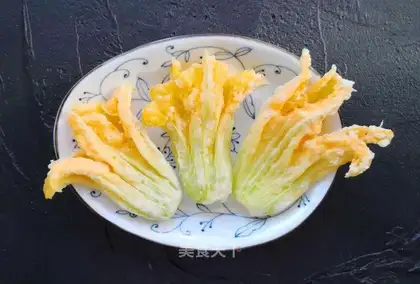
Beyond their health benefits, pumpkin blossoms are a chef's dream due to their versatility and aesthetic appeal. Before cooking, it is essential to properly prepare them. Gently rinse the flowers under cool water and pat them dry. Carefully remove the stamen (the central pollen-bearing part) from the male flowers, as it can have a bitter taste. The female flowers, which have a tiny pumpkin at their base, can also be eaten but are often left on the vine to ensure a future harvest.
There are countless ways to incorporate pumpkin blossoms into your meals:
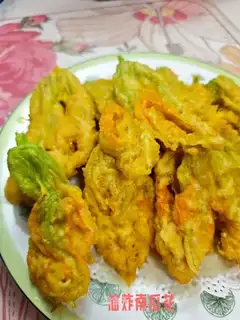
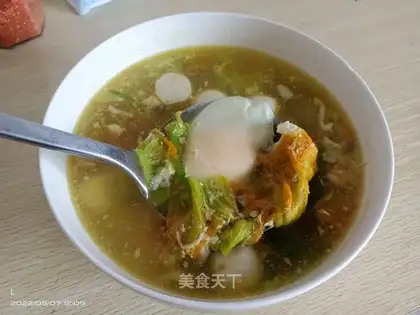
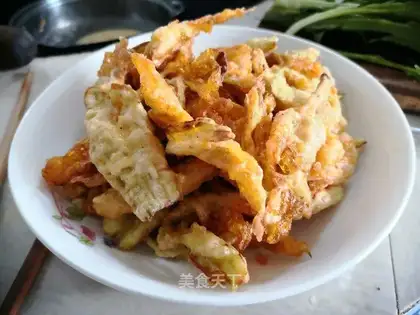
Stuffed and Fried: A classic preparation involves stuffing the blossoms with a mixture of herbs, cheese (like ricotta or goat cheese), and breadcrumbs, then lightly battering and frying them until golden and crispy. This method creates a delicious, savory appetizer.
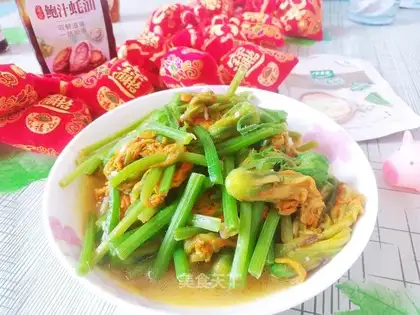
Sautéed or Grilled: For a lighter option, simply sauté the blossoms in olive oil with garlic and a pinch of salt until they wilt. They can also be quickly grilled for a few seconds on each side, which adds a subtle smoky flavor.
In Salads: Fresh, raw pumpkin blossoms add an elegant and delicate touch to salads. Their mild flavor and vibrant color pair wonderfully with arugula, mixed greens, nuts, and a light vinaigrette.
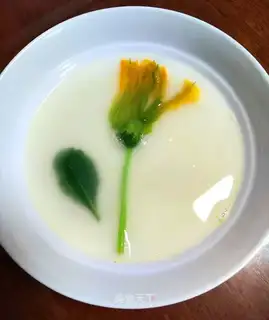
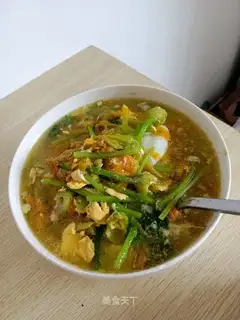
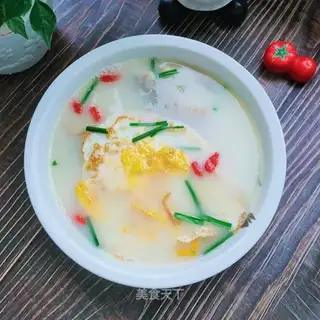
In Soups and Pastas: Whole or roughly chopped blossoms can be added to soups, frittatas, or pasta dishes in the final minutes of cooking to infuse them with their unique flavor and color.
Important Precautions and Potential Side Effects
While pumpkin blossoms are generally safe for most people, there are a few important precautions to keep in mind to ensure a positive experience.
1. Allergies: As with any new food, there is a potential for allergic reactions. Individuals with allergies to other members of the gourd family, such as cucumbers, zucchini, or melons, may also be allergic to pumpkin blossoms. It is advisable to try a very small amount first to check for any adverse reactions.
2. Pesticides and Contaminants: Since blossoms are more susceptible to pests than the fruit itself, they are often treated with pesticides. It is crucial to source blossoms from organic growers or, if foraging, from areas that are free from chemical contamination. Thorough washing is non-negotiable.
3. Pesticides from Home Gardens: If you are growing your own pumpkins, be cautious about using any pesticides or fungicides on the plants, as these chemicals can accumulate in the blossoms. If you must use treatments, ensure they are food-safe and follow the waiting period specified on the product label before consuming the flowers.
4. Bitterness: Occasionally, blossoms can have a slightly bitter taste, which is often due to the presence of the stamen or environmental factors. Removing the stamen carefully can help mitigate this. If bitterness is a concern, blanching the blossoms in salted water for a few seconds before cooking can help mellow the flavor.
5. Female Flowers and Harvesting: When harvesting female flowers (those with the tiny pumpkin attached), be mindful that removing them will prevent that specific pumpkin from developing. To ensure a continued harvest of pumpkins, it is best to harvest only the male flowers, which grow on long, slender stalks and do not have a fruit at their base.
Conclusion
The pumpkin blossom is a true gift from nature, offering a unique combination of visual beauty, subtle flavor, and profound nutritional benefits. It is a testament to the idea that the most valuable treasures can sometimes be found in the most unexpected places. By incorporating these edible flowers into our diets, we not only diversify our culinary experiences but also harness a potent source of vitamins, minerals, and antioxidants that support our overall health. As we continue to explore and appreciate the full spectrum of edible plants, the pumpkin blossom stands out as a vibrant, delicious, and nourishing link between our past and our plates.