Stroke is a disease characterized by sudden fainting, loss of consciousness, accompanied by facial asymmetry, speech impairment, and hemiplegia, or without fainting, with only facial asymmetry and hemiplegia as the main clinical symptoms. The onset is acute, with a wide range of symptoms and rapid changes in the condition. The incidence and mortality rate of this disease are high, and it often leaves sequelae. In recent years, the incidence rate has been continuously increasing, and the age of onset is trending younger, making it a major disease threatening human life and quality of life.
In addition to paying attention to cold prevention and reasonable blood pressure and lipid reduction, regularly consuming certain selective foods can greatly reduce the incidence of stroke. Foods that can prevent stroke include:
Seaweed and Egg Drop Soup
Foods rich in magnesium
Professor Moriyuki Kayama, a Japanese pathologist, found that the incidence of stroke is significantly lower among people who often eat foods rich in magnesium. This is because magnesium can prevent calcium from flowing into cells through cell membranes, thus maintaining the mineral balance within cells and protecting the brain from damage. Foods rich in magnesium include millet, beans, chili peppers, mushrooms, shiitake mushrooms, tomatoes, kelp, seaweed, apples, starfruit, longan, peanuts, walnuts, sesame paste, etc. Among these, seaweed has the highest magnesium content of all foods, making it an excellent choice for preventing stroke.
High-potassium foods
Rosemary Roasted Potatoes
Dr. Gokhale of the Indian Medical College found that potatoes are rich in potassium, and eating 2-3 potatoes daily can reduce the incidence of stroke by 40%. Experts at the U.S. Health Care Center also discovered that eating potatoes daily can prevent stroke. Similarly, bananas, oranges, tangerines, apricots, peaches, and whole grains, beans, and vegetables are all rich in potassium. Regular consumption of these foods can prevent stroke.
Foods rich in flavonoids and lycopene
Modern medical research shows that atherosclerosis is mainly caused by "bad" cholesterol—low-density lipoprotein (LDL). Reducing LDL and inhibiting its oxidation play an important role in preventing atherosclerosis. Flavonoids and lycopene can capture oxygen free radicals, prevent the oxidation of LDL, and have a positive effect on preventing vascular stenosis and blood clots blocking cerebral blood vessels. Foods rich in flavonoids and lycopene in the daily diet include onions, coriander, carrots, pumpkins, strawberries, apples, red grapes, tomatoes, watermelons, persimmons, sweet apricots, and chili peppers.
Cod liver oil
Cod liver oil is rich in eicosapentaenoic acid (EPA), which is a special fatty acid that has the function of opposing platelet aggregation and lowering total cholesterol and blood viscosity, making it very effective for the prevention and treatment of stroke. However, as with any medication, its effects vary from person to person. It is essential to take cod liver oil under a doctor's guidance to prevent overdose and potential adverse consequences.
High-quality protein foods
Sweet and Sour Squirrel Fish
Epidemiological survey data shows that insufficient intake or poor quality of protein food can increase the fragility of blood vessels, easily causing rupture and bleeding of intracranial microaneurysms. Research shows that eating more foods rich in sulfur-containing amino acids, lysine, arginine, and taurine, such as fish, chicken, duck, rabbit, and pigeon meat, is not only beneficial for maintaining normal vascular elasticity and improving cerebral blood flow but also promotes the excretion of sodium salts, which helps prevent the occurrence of stroke.
Milk
Milk contains a special ingredient that can protect the cerebral blood vessels. Scientific research has shown that the calcium in milk has a blood pressure-lowering effect. Experts recommend that both young and middle-aged people should drink milk daily to effectively prevent stroke.
Green tea
Medical experts believe that one of the pathological factors causing stroke is the production of harmful active enzymes in the body, which promotes the generation of lipid peroxides. Lipid peroxides can reduce the elasticity of blood vessel walls. The antioxidant substances in tea, such as vitamin E and tannins, can effectively enhance the elasticity of blood vessel walls. Therefore, drinking green tea regularly can prevent stroke.
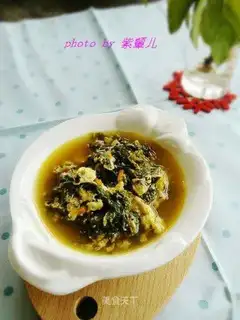 The purple omelet soup
 Rosemary baked potatoes
 Sugary squirrel fish