According to Traditional Chinese Medicine, carrots can tonify the middle jiao, strengthen the stomach to aid digestion, fortify kidney yang, and pacify the five zang organs. They are effective for indigestion, chronic dysentery, cough, and night blindness, which is why they are honored as "little ginseng". Carrots have a "peculiar temperament" and are best eaten alone or cooked with meat and oil. They are particularly unsuitable to be paired with the following foods:
R shredded carrots
1. Chili
Carrots contain vitamin C decomposing enzymes, while chili is rich in vitamin C. When eaten raw together, they reduce the nutritional value of the chili. However, vitamin C decomposing enzymes are not heat-resistant and can be destroyed at 50°C, so there is no need to worry when they are cooked.
2. Vinegar
Carrots contain a large amount of beta-carotene, which is sensitive to acid. Therefore, do not add vinegar when cooking carrots.
3. Daikon radish
Daikon radish contains various enzymes, mustard oil, lignin, interferon inducers, and other substances, which have good effects of aiding digestion, anti-cancer, anti-viral infection, improving the body's immunity, and producing interferon. However, these substances are not heat-resistant and will be destroyed at a temperature of 70°C. Carrots, on the other hand, are the opposite. Carrots are rich in beta-carotene, and when eaten raw, more than 70% of the beta-carotene cannot be absorbed. It can only be absorbed and utilized more efficiently after being stir-fried with cooking oil. In addition, because carrots contain vitamin C decomposing enzymes, when the two are eaten together, the vitamin C in the daikon radish will be destroyed. Paired with the following foods:
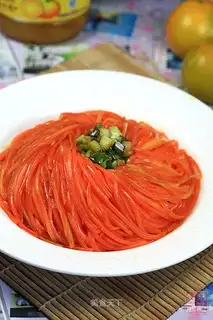 Ruyi shredded radish