As the quality of life gradually improves, people have access to a wide variety of foods. Fruits and vegetables are essential daily staples, while nuts are a great choice for leisure and snacks. There are many types of nuts, such as chestnuts, melon seeds, almonds, walnuts, and more. Different nuts have high nutritional value and amazing health benefits. Let's take a look at the health benefits of 7 common nuts.
Roasted Chestnuts in Sugar
Chestnuts, the "fruit of the kidney"
Known as the "king of dried fruits," it is also called "ginseng fruit" abroad. Traditional Chinese medicine believes that chestnuts are sweet in taste and warm in nature, non-toxic, and have the effects of "tonifying qi and spleen, strengthening the intestines, tonifying the kidneys and strengthening the sinews, invigorating blood and stopping bleeding." Chestnuts are rich in soft dietary fiber, and diabetics can also enjoy them in moderation.
However, raw chestnuts are difficult to digest, and cooked ones can easily cause bloating, so one should not eat too many at a time.
It is best to eat chestnuts as a snack between meals or incorporate them into dishes, rather than eating a large amount after a meal, to avoid excessive calorie intake, which is not conducive to maintaining weight.
Fresh chestnuts are prone to mold and spoilage. Eating moldy chestnuts can cause poisoning, so spoiled chestnuts must not be eaten.
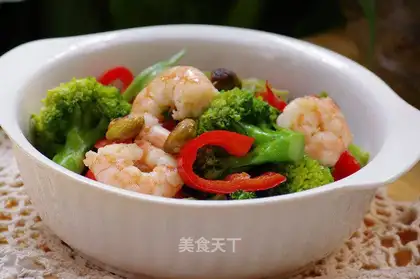
Stir-fried Vegetables with Pistachios
Pistachios, the "bodyguard" for the heart
Rich in arginine, it not only helps to relieve the occurrence of arteriosclerosis, lower blood lipids, but also reduces the risk of heart attacks, lowers cholesterol, and relieves acute mental stress responses.
The purple-red skin of pistachios contains anthocyanins, a natural antioxidant, while the emerald green kernels are rich in lutein, which not only has antioxidant effects but is also very beneficial for protecting the retina.
Eating about 49 pistachios a day not only prevents you from worrying about gaining weight but also helps control weight. This is because the feeling of fullness usually takes about 20 minutes to set in. Shelling pistachios can extend the eating time, creating a sense of fullness and satisfaction, thus helping to reduce food intake and control weight.
Eating 10 pistachios at a time is equivalent to consuming 1.5 grams of monounsaturated fatty acids. Pistachios that have been stored for too long should not be eaten. Pistachios are high in calories and contain a lot of fat, so those who are afraid of gaining weight or have high blood lipids should eat them in moderation.
Black Sesame Paste with Walnuts
Walnuts, the king of antioxidants
Rich in value and brain-boosting, walnuts are known as the "ten-thousand-year son," "longevity fruit," and "treasure of health." Walnuts can reduce the intestines' absorption of cholesterol, are beneficial for patients with arteriosclerosis, hypertension, and coronary heart disease, and have the effects of warming the lungs to stop asthma and preventing cell aging. They can also effectively improve memory, delay aging, and moisturize the skin.
The American Dietetic Association recommends that people eat walnuts two to three times a week, especially middle-aged and elderly people and postmenopausal women, because the arginine, oleic acid, and antioxidants in walnuts are very beneficial for protecting the cardiovascular system and preventing coronary heart disease, stroke, senile dementia, etc.
Do not eat too many at once, otherwise it will affect digestion. Some people like to peel off the thin brown skin on the walnut kernels, which will lose some nutrients, so do not peel off this skin.
Walnuts, red dates, black sesame, donkey-hide gelatin, and rock sugar are cooked together over low heat until they form a paste. Eating this has the effects of invigorating blood to resolve stasis and nourishing blood and qi, and is suitable for people with anemia or a weak constitution. Among them, the role of rock sugar should not be underestimated, because the other four foods are all warm in nature, while rock sugar is cool, which can offset some of the warmth, making it less likely to cause "internal heat" (上火) when consumed.
Lily and Almond Porridge
Sweet almonds, the anti-cancer fruit
Because almonds are rich in protein, fat, carbohydrates, carotene, B vitamins, vitamin C, vitamin P, and other nutrients such as calcium, phosphorus, and iron. Among them, the carotene content is second only to mangoes in fruits, so people call the large flat almond an "anti-cancer fruit." The large flat almond is rich in fatty oil, which has the effect of lowering cholesterol, so it is beneficial for preventing and treating cardiovascular diseases; according to traditional Chinese medicine theory, the large flat almond has the effects of promoting fluid production to quench thirst, moistening the lungs, and stopping asthma, and is often used for the health care and treatment of patients with lung dryness and coughing.
Patients with coronary heart disease who often eat almonds have a 50% lower chance of experiencing angina pectoris than those who do not.
Almonds have the effect of regulating insulin and blood sugar levels and are also one of the therapeutic foods for impaired glucose tolerance and diabetes. The boron and calcium in almonds are also beneficial for preventing osteoporosis in menopausal women.
Almond Porridge: Take 30 grams of almonds and 100 grams of rice, add an appropriate amount of water to cook porridge. This medicinal diet has the effect of nourishing the heart and calming the mind. Friends with insomnia and irritability might want to give it a try.
Hazelnut Crisps
Hazelnuts, the king of nuts
Hazelnuts are known as the "king of nuts," and their calcium, phosphorus, and iron content are also higher than other nuts. Because of their rich nutrition and delicious taste, people have regarded them as a precious fruit since ancient times.
Traditional Chinese medicine believes that hazelnuts have the effects of tonifying the spleen and stomach, replenishing qi, and improving eyesight and strength, and are quite beneficial for symptoms of deficiency in the lungs and kidneys such as thirst, night sweats, and frequent urination.
Usually, they are good for stir-frying, or cooking into congee or soup. However, hazelnuts are warm in nature, and eating too many can easily cause "internal heat" (上火). Generally, it is more appropriate to eat them 5 times a week, with a small handful (25-30 grams) each time. Cooking hazelnuts, lotus seeds, and japonica rice together into "Hazelnut and Lotus Seed Congee" not only tastes good but is also nutritious. Cancer and diabetic patients can drink more of it often.
Sunflower Seeds for Cardiovascular Protection
Sunflower seeds are also among the best of melon seeds and are quite nutritious. Eating a handful of sunflower seeds a day can meet the human body's daily vitamin E requirement. The protein content in sunflower seeds can be compared with that of various meats, especially it contains arginine, which is indispensable for sperm production.
Often eating sunflower seeds has a certain effect on preventing coronary heart disease, stroke, lowering blood pressure, and protecting vascular elasticity. Medical experts believe that sunflower seeds can treat insomnia, enhance memory, and have a certain effect on preventing cancer, hypertension, and neurasthenia.
Salted Cashews
Cashews for strengthening the spleen and stomach
Cashews contain up to 21% protein and 40% unsaturated fatty acids, and are rich in trace elements such as calcium, phosphorus, zinc, and iron, and have antioxidant, anti-aging, anti-tumor, and anti-cardiovascular disease effects. The fat they contain is mostly unsaturated fatty acids, of which oleic acid accounts for 67.4% of the total fatty acids, and linoleic acid accounts for 19.8%, making them a good therapeutic fruit for people with hyperlipidemia and coronary heart disease.
Compared with other nuts, cashews have a relatively high sugar content, accounting for about 25% of the total nutritional components, while hazelnuts have 15%, almonds 10%, and walnuts only 8%. Therefore, obese and diabetic patients must be cautious when eating them.
Cashews are sweet in taste, neutral in nature, and non-toxic, moistening the lungs, relieving vexation, and eliminating phlegm. In addition, cashews can also strengthen the spleen. Friends with poor spleen and stomach function will have good health benefits from eating them often. Eating too many cashews can easily cause allergies, so friends with allergic constitutions should be careful when eating them.
Four situations where you should not eat nuts
1. Do not eat nuts after eating meat
Nuts are high in calories and fat content. If you have already eaten a lot of food, especially meat, try not to eat nuts anymore, otherwise it will cause excessive fat intake. Even if you have not consumed other foods, avoid eating too many nuts at once. It is best not to eat more than a small handful a day.
2. Do not eat nuts before bedtime
Because nuts are greasy, eating them will increase the burden on the digestive system. Therefore, try not to eat nuts within 1 hour before bedtime.
3. People with diarrhea should not eat nuts
The rich dietary fiber and oil in nuts can have a laxative effect. People with diarrhea symptoms and acute infectious symptoms of the digestive tract should temporarily avoid eating nuts, otherwise it will aggravate the diarrhea symptoms.
4. Do not eat nuts when you have "internal heat" (上火)
Nuts are warm and nourishing in nature. People with a cold constitution can get nourishing benefits from eating them. However, most nuts are made by baking, stir-frying, and other methods, and a large amount of salt and other seasonings are added, which can easily cause dryness in the mouth and throat. When symptoms such as oral ulcers appear due to "internal heat," it is not advisable to eat too many nuts to avoid worsening the symptoms.
 Sugar roasted chestnuts
 Pistachio
 Salted cashew nuts
 Pure pumpkin toast
 Vacuate herring
 Double donuts