The weather is gradually warming up, spring is coming, and all things are coming back to life. It's time to cut back on greasy, heavy meals and eat more vegetables for better health. Now, we recommend ten essential vegetables for you.
Garlic-scented Carrots
Carrot
Sweet in flavor, neutral in nature, and non-toxic. It affects the Spleen and Lung meridians. It can nourish blood and improve eyesight, strengthen the spleen to aid digestion, replenish qi and generate blood, and promote qi circulation to resolve stagnation. Modern research suggests that carrots are rich in alpha and beta-carotene, two powerful antioxidants that can slow down the damage of harmful substances to cells. Carotene is a fat-soluble substance, so it is best to cook it with vegetable oil.
Celery
Sweet and pungent in flavor, cool in nature. It affects the Lung, Stomach, and Liver meridians. It has the effect of calming the liver to reduce heat, promoting urination to treat strangury. Modern research has shown that celery is high in iron and rich in vitamins and dietary fiber. It can clear liver heat, lower serum cholesterol, promote the excretion of waste in the body, and purify the blood. There is water celery and dry celery, with dry celery being the main one used for medicinal purposes. People with a weak spleen and stomach should not eat too much.
Spinach Tower
Spinach
Sweet in flavor, cool in nature, and cold and slippery. It affects the Stomach, Large Intestine, and Bladder meridians. It can nourish blood and stop bleeding, moisten dryness, benefit the five organs, unblock the intestines, open the chest diaphragm, lower qi, regulate the middle jiao, and quench thirst. Current research suggests that spinach also contains magnesium, a mineral that women and middle-aged and elderly people are more likely to be deficient in. When stir-fried, spinach's nature becomes more neutral and has less impact on people with a weak and cold stomach; however, when consumed in soup, it has a cold and slippery nature. Therefore, it should be avoided by those with deficiency-cold syndrome, diarrhea, and urinary tract stones. Spinach contains a lot of oxalic acid, which can be reduced by blanching it in boiling water for a moment.
Cabbage
Also known as headed cabbage. Sweet in flavor, neutral in nature. It affects the Liver, Intestine, and Stomach meridians. It has the effect of clearing heat to dissipate nodules, strengthening the stomach to unblock collaterals. Modern research has shown that cabbage is rich in nutrients and the trace element molybdenum, and is rich in pectin and cellulose. It can improve human immune function, prevent cancer, and resist hypercholesterolemia.
Chinese Cabbage
Sweet in flavor, cool in nature. It affects the Liver, Lung, and Spleen meridians. It has the effect of promoting blood circulation to resolve stasis, reducing swelling and detoxifying.
Potato
Sweet in flavor, neutral in nature. It affects the Stomach and Large Intestine meridians. It can tonify qi and strengthen the spleen, harmonize the stomach to regulate the middle jiao. It is suitable for people with spleen deficiency and weakness, fatigue, loss of appetite, and indigestion. Potatoes are very rich in nutrients. Different countries have many affectionate names for potatoes; the French call it "earth apple," the Germans call it "earth pear," and the Russians call it "the second bread." Germans often use potatoes to treat indigestion by peeling two potatoes, blending them in a juicer, and drinking the juice. Many nutrients in potatoes are water-soluble, so after peeling or cutting, try not to soak them in water to avoid a large loss of nutrients.
Squid with Chives
Chives
Also known as "yang-raising grass" and "everlasting chives." Pungent and sweet in flavor, warm in nature, and non-toxic. It affects the Liver, Spleen, Stomach, and Kidney meridians. It can tonify the kidneys and yang, harmonize the organs, promote qi and blood circulation, increase appetite, warm the stomach, lower qi, disperse blood, and remove dampness. Chives are pungent, warm, and heaty. Although they have the effect of strengthening yang, benefiting the kidneys, and dispelling cold, they can also trigger skin sores and toxins. Eating too much can cause bad breath and dizziness. It is contraindicated for those with carbuncles, sores, swellings, skin fungus, dermatitis, and damp toxins. It should be used with caution for those with heat syndrome and yin deficiency with blazing fire. Chives are difficult to digest and should not be eaten in excess.
Chinese Yam
Sweet in flavor, neutral in nature. It affects the Lung, Spleen, and Kidney meridians. It has the effect of strengthening the spleen and nourishing the stomach, tonifying the lungs, securing the kidneys, and benefiting essence. China has a history of eating Chinese yams for over 3,000 years, and since ancient times, it has been praised as a great remedy for deficiency. Modern research has shown that the biggest feature of Chinese yam is its ability to supply a large amount of mucin protein, a polysaccharide protein that can prevent fat deposition in the cardiovascular system and maintain the elasticity of blood vessels.
Chopped Chili Taro
Taro
Sweet and pungent in flavor, neutral in nature. It affects the Spleen and Stomach meridians. It has the effect of detoxifying and reducing swelling, benefiting the stomach and strengthening the spleen, regulating and tonifying the middle qi, and relieving pain. Modern research shows that taro is an alkaline food that can be used to prevent excessive stomach acid; taro is rich in mucous saponin, which can increase appetite and aid digestion. Raw taro is slightly toxic and must not be eaten raw; it must be thoroughly cooked before consumption.
Pumpkin
Sweet in flavor, neutral in nature, and non-toxic. It affects the Spleen, Stomach, and Large Intestine meridians. It can tonify the spleen and promote urination, detoxify and kill parasites, reduce fever, stop dysentery, relieve pain, and calm the fetus. The famous Qing Dynasty physician Chen Xiuyuan said: "Pumpkin is a wonderful product for nourishing blood." Modern research shows that pumpkin contains large amounts of linoleic acid, palmitic acid, stearic acid, etc., which can lower blood pressure and lipids.
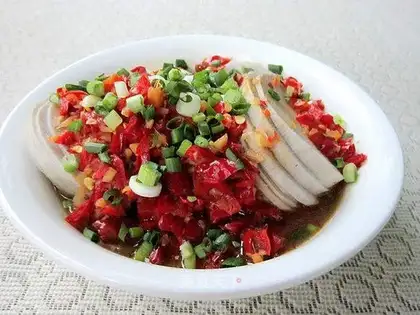 Potatohead
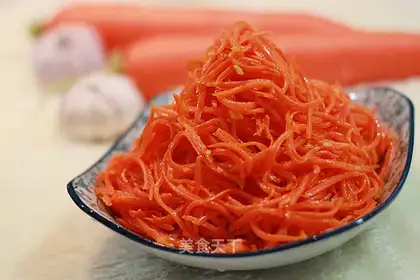 Garlic carrots
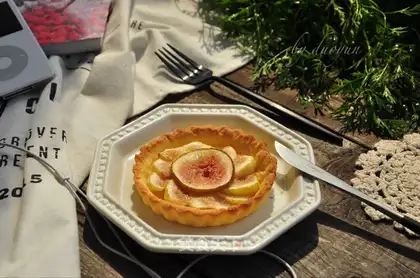 The fig pie
 Homemade spicy sausages