It is widely recognized in the field of nutrition that vegetables have cancer-preventing and anti-cancer properties. The following four types of vegetables are cancer-fighting superstars on the dining table and should be consumed regularly.
Cruciferous vegetables, represented by broccoli
In the anti-cancer vegetable ranking published by the Japanese National Cancer Research Center, broccoli ranks at the top. The American Journal of Nutrition has also published research findings on broccoli's effectiveness in preventing prostate cancer. The anti-cancer effect of broccoli is mainly attributed to its glucosinolates. Long-term consumption can reduce the risk of developing cancers such as breast cancer, colorectal cancer, and stomach cancer. Cruciferous vegetables also include: cabbage, cauliflower, Chinese cabbage, bok choy, rapeseed, kale, mustard greens, and turnips. Broccoli is rich in glucosinolates, which are broken down by an enzyme naturally present in broccoli into sulforaphane. Sulforaphane has the ability to kill cancer cells. When cooking, excessive heating can destroy this enzyme, preventing the formation of sulforaphane and significantly reducing its anti-cancer effect.
Stir-fried broccoli with meat
Condiments, represented by mustard
Mustard is made from the seeds of the mustard plant. According to data from the Japanese Food Research Institute, mustard can inhibit the activity of cancer-causing substances. Furthermore, research from the University of Illinois found that eating broccoli with mustard or horseradish can enhance its anti-cancer properties. Mustard has a strong pungent aroma and can be consumed with dumpling vinegar or soy sauce for sushi.
Radish family vegetables, represented by white radish
In recent years, Chinese medical research has discovered that white radish contains components such as mustard oil, which can interact with various enzymes to form anti-cancer compounds with a pungent taste. The spicier the white radish, the more of these components it contains, and the stronger its anti-cancer effect. Additionally, the coarse fiber in white radish stimulates gastrointestinal motility, helping to prevent colon and rectal cancer. The radish family also includes: green radish, carrot, water radish, and xinlimei radish. Whether eaten raw or cooked, radishes can have a good anti-cancer effect.
Cold-dressed shredded white radish
Fungi vegetables, represented by shiitake mushrooms
Scientists in countries like the United States and Japan have found that a certain enzyme component in shiitake mushrooms can enhance the body's ability to suppress tumors. In addition to shiitake mushrooms, the entire mushroom family has anti-cancer capabilities. The polysaccharides in mushrooms are anti-cancer active substances that can promote antibody formation, enabling the body to develop immunity to tumors and inhibit tumor cell growth. It is not recommended to eat fungi vegetables raw; it is advised to at least blanch them in boiling water. Dried fungi can be stewed to allow the beneficial components to be released into the soup.
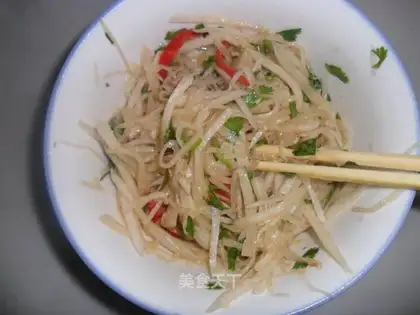 Shredded white radish salad
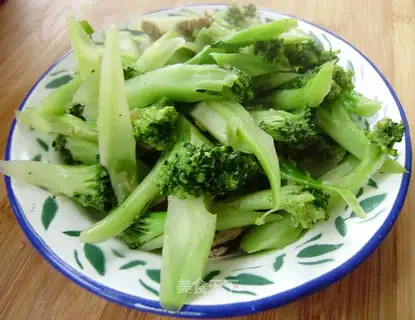 fried pork with broccoli