With the improvement of living conditions, people are having rich meals with meat and fish every day, leading to an increasing number of people with high blood lipids. It is reported that excessively high blood lipid levels can directly cause serious diseases that harm human health, such as atherosclerosis, coronary heart disease, and pancreatitis. So how can we lower blood lipids? In fact, many foods in our daily lives are excellent "lipid-lowering medicines," such as oats, onions, and celery.
10 Natural "Lipid-Lowering Medicines"
Sweet Potato and Oat Porridge
1. Oats
Oats contain extremely rich linoleic acid, accounting for 35%-52% of all unsaturated fatty acids; they are also rich in vitamin E and contain saponins. All of these have the effect of lowering plasma cholesterol concentration.
2. Milk
Milk contains hydroxymethylglutaric acid, which can inhibit the activity of cholesterol synthesis enzymes in the human body, thereby inhibiting cholesterol synthesis and lowering blood cholesterol levels. In addition, milk contains a high amount of calcium, which can also reduce the human body's absorption of cholesterol.
3. Onion
Many people dislike the taste of onions, but patients with high blood lipids must eat more of them because onions contain triallyl disulfide and sulfur amino acids, which have a good effect on lowering blood lipids.
4. Celery
Celery contains a lot of dietary fiber, especially components that lower blood pressure, and also has the effect of lowering blood lipids and blood sugar. In addition, celery leaves are rich in carotene and vitamin C, so when eating celery, do not throw away the tender leaves.
5. Kelp
Kelp is also a good medicine for treating diseases. It contains kelp polysaccharide, which can lower serum cholesterol and triglyceride levels. Kelp is also rich in various essential amino acids, vitamin A, vitamin B2, calcium, and a large amount of iron. Regular consumption can prevent night blindness, xerophthalmia, reduce the occurrence of mouth ulcers, and can prevent osteoporosis and anemia.
Corn and Pork Bone Soup
6. Corn
Corn contains a large amount of lecithin, linoleic acid, sitosterol, vitamin E, etc. Therefore, eating corn porridge often can help prevent hypertension and arteriosclerosis.
7. Job's Tears (Coix Seed)
Job's tears can lower blood lipids and blood sugar, promote metabolism, and has a diuretic effect, which can effectively improve edema. Moreover, Job's tears are relatively low in calories, so you don't have to worry about gaining weight from eating too much. In addition, Job's tears are rich in water-soluble fiber, which can improve constipation and remove accumulated toxins from the body.
8. Salmon
Salmon is rich in unsaturated fatty acids, which can lower triglyceride levels in the blood and increase high-density lipoprotein cholesterol, enhancing vascular elasticity. Among freshwater fish, carp is a highly recommended lipid-lowering food.
9. Garlic
Garlic and other foods like ginger have always been the best foods for preventing cancer, but in addition to this effect, the volatile pungent substance in garlic can remove fat accumulated in blood vessels and has a significant effect in lowering cholesterol.
10. Cauliflower
It has low fat content and high dietary fiber content, making it very suitable for people with high blood lipids. In addition, it contains various micronutrients, which play a strong role in resisting cancer. It should be noted that the vitamins in cauliflower are water-soluble, so to avoid the loss of nutrients, the best cooking methods are: avoid cutting with a knife, tear by hand; avoid long stewing, but use high heat stir-frying or steaming.
Folk Remedies for Lowering Blood Lipids
Sweet Potato Porridge
Finally, let me recommend a few folk remedies that have been circulating for a long time to help clear blood lipids and lower cholesterol.
Fig, Jujube, and Hawthorn Tea
Ingredients: 50g jujube, 50g hawthorn, 30g fig, 3g ginger.
Method: Add jujube, fig, hawthorn, and ginger to 3 bowls of water and simmer together over low heat for about half an hour until the liquid is reduced to one bowl of soup.
Sweet Potato and Jujube Porridge
Ingredients: 150g japonica rice, 20 jujubes, 100g sweet potato, 50g lotus seeds, 50g peanuts.
Method: Peel the sweet potato and cut it into diamond shapes. Wash the japonica rice, lotus seeds, jujubes, and peanuts. Put them all in a pot and simmer over low heat for half an hour to make porridge.
Soaked Onion in Wine
Ingredients: 3 onions, 1 bottle of ordinary red wine.
Method: Wash the onions, remove the brown outer skin, and cut them into eight equal parts. Place the onions in a glass bottle and add red wine. Seal the glass bottle and let it sit in a cool, dark place for about 7 days. After 7 days, use a strainer to filter the onion slices from the wine. Store the onions and wine separately in bottles and place them in the refrigerator. Drink about one cup (50ml) per day; older people should drink about 20ml per serving. Drink one to two times a day. It is even better to eat the soaked onion slices together. For those who do not drink, it can be diluted with about twice the amount of hot water or poured into an electric cooker and boiled for about 4-5 minutes to evaporate the alcohol before drinking.
Black and White Fungus Soup
Ingredients: 10g white fungus, 10g black fungus, 5g rock sugar.
Method: Soak the black and white fungus in warm water, place them in a bowl, add water and rock sugar, and steam for one hour in a steamer. You can then drink the soup and eat the fungus.
If you also want to stay away from high blood lipids, you might as well try the foods and folk remedies mentioned above to lower blood lipids and soften blood vessels.
 Potato oatmeal
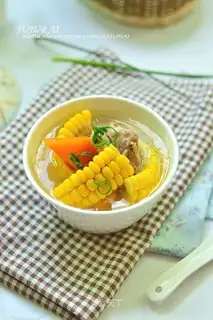 Corn pigbone soup
 Egg ham burger