Believe it or not, the term "detox" is no stranger to us, and detox products on the market are constantly being updated. So, which is better: food detox or drug detox? In fact, the human body has its own purification and detoxification system, which consists of two main organs. No matter what method you use for detoxification, the ultimate goal is to make this system function better.
Stir-fried Tuhao with Dried Tofu
Detoxification channels in the body must be known Detoxification methods Health preservation
The first is the protective system. The skin is the body's first line of defense, and sweat glands help to moisturize the skin through processes like flushing. There are many other similar protective systems, but they generally use physical methods for detoxification, such as sweating during exercise. It is difficult for food and drugs to have a significant impact on them.
The second system is the excretory system, mainly the intestines and kidneys. They filter the blood, directing waste water and toxins into the bladder to be expelled from the body at regular intervals. This is also the primary channel for the body's detoxification. Food detoxification works by using the coarse fiber and resistant starch in food to carry toxins out of the large intestine. Drug detoxification, on the other hand, typically uses rhubarb or similar drugs to induce diarrhea, achieving the goal of detoxification. It is clear that food detoxification is safer than drug detoxification.
Some good eating habits can completely achieve the effect of detoxification. For example, drinking a large glass of warm water or honey water on an empty stomach in the morning can help to moisten the intestines and promote bowel movements. You can also eat more grains, as mung beans, red beans, Job's tears, and oats have excellent effects of clearing heat, detoxifying, removing dampness, and promoting urination. Similarly, vegetables, fruits, and seaweed have the effect of breaking down toxins and purifying the blood. As for drug detoxification, the effects may be faster in the short term, but various risk factors are unpredictable.
Some "detox superstars" in food:
Spicy Cold-dressed Kelp Shreds
1. Green leafy vegetables. Multiple studies have shown that the chlorophyll, dietary fiber, and various phytochemicals in green leafy vegetables help reduce the absorption of pollutants, promote their excretion from the intestines, enhance the liver's detoxification capacity, and reduce the mutagenic effects of carcinogens. It is recommended to eat at least half a jin (250g) of green leafy vegetables daily, such as bok choy, spinach, crown daisy, celery, and romaine lettuce.
2. Kelp. Kelp contains substances like alginic acid and fucoidan, which can lower blood pressure and blood lipids. Notably, the active substances in kelp can bind with carcinogens in food and carry them out of the body. In addition, kelp is rich in various trace elements such as iodine, iron, and calcium.
3. Wood ear mushrooms. Wood ear mushrooms are rich in soluble dietary fiber and are famous for their lung-moistening and detoxifying properties. They can promote intestinal peristalsis and also effectively bind with cholesterol to prevent high blood lipids. Modern medicine suggests that a type of plant gum in wood ear mushrooms has strong adsorption properties, which can concentrate and adsorb residual dust and impurities in the human digestive system and then expel them, thereby playing a role in detoxifying and cleansing the stomach.
4. Oats. Oats are not only rich in cellulose and hemicellulose, which can bind with heavy metals, but they are also rich in soluble dietary fibers like beta-glucan. These are very helpful for lowering blood sugar and preventing high blood lipids, and they also promote the excretion of pollutants from food.
5. Broccoli. In addition to being rich in basic nutrients like vitamins, minerals, chlorophyll, and beta-carotene, broccoli is also rich in beneficial components such as indoles and thiocyanates. These all help to remove toxins from the body, thereby reducing the burden on the kidneys and helping to prevent cancer.
6. Carrots. Carrots are rich in beta-carotene, which can be converted into vitamin A in the human body. Besides its eye-protecting effects, vitamin A also helps the liver expel toxins from the body and reduce fat in the liver. Additionally, the dietary fiber in carrots helps to clean waste from the colon and accelerates its excretion from the body.
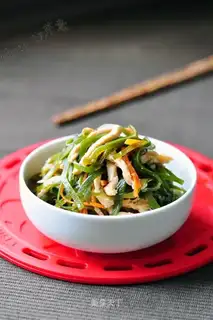 The seaweed
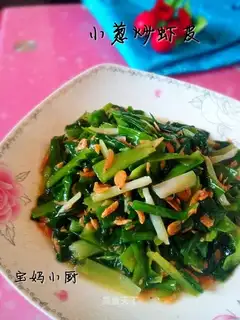 Shrimp onions