Fish is a staple on the dining table, valued for its rich nutrition and melt-in-your-mouth texture. However, cooking fish well is no easy task. Today, I've compiled some tips for cooking fish, for everyone's reference and collection!
1. Preventing Fish from Sticking to the Pan When Frying
Small Pan-Fried River Fish
You can add salt to the hot pan after adding oil.
Alternatively, wipe the hot pan with a piece of ginger.
Another method is to heat the pan to a higher temperature before adding the fish.
When the fish encounters the high oil temperature, its skin will immediately firm up, preventing it from sticking to the pan. Then, reduce the heat and fry the fish through.
2. Use Boiling Water for Steaming Fish
When steaming fish, always bring the water in the steamer to a boil before adding the fish. Never use cold water.
This is because the sudden high temperature causes the fish's outer tissues to congeal, sealing in the internal juices.
Before steaming, it's best to drizzle some chicken or lard over the fish to make the meat more tender and smooth.
You can also cover the fish with plastic wrap to prevent its flavor from escaping or from being diluted by condensed water in the steamer.
3. Preventing Fish from Breaking Apart When Braising
Before braising fish in soy sauce, first fry or deep-fry it thoroughly in a pan with plenty of oil at a high temperature.
When braising, the sauce should not be excessive; it should just be enough to cover the fish.
Do not flip the fish. During the braising process, continuously ladle the sauce over the fish.
This ensures the fish is flavorful while maintaining its original shape.
4. Adding Milk When Cooking Frozen Fish
When cooking fish that has been frozen for a long time, you can add a little fresh milk to the broth to enhance its flavor.
After taking the fish out of the freezer, it's best to thaw it naturally. Alternatively, you can thaw it in a container with a little salt. The purpose is that the protein in the frozen fish will slowly congeal upon contact with salt, preventing the loss of liquid and nutrients.
5. Flavoring Braised Fish
Choosing a fish for braising can be a dilemma: small fish have too many bones, while large fish are hard to season.
For braising, it's recommended to choose a fish weighing 2-3 jin (about 1-1.5 kg). After cleaning, make a few cuts on the fish. Marinate it in advance with salt, cooking wine, scallions, and ginger to allow the flavor to penetrate.
When braising, use low heat and simmer slowly. As the saying goes, "a thousand times stewed tofu, ten thousand times stewed fish"—the longer you braise the fish, the more flavorful it becomes.
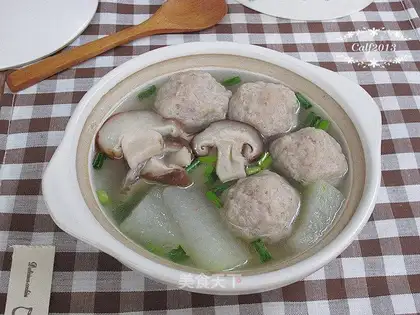 Soup for mushrooms and melons