Speaking of longevity vegetables, they are considered very mysterious by many people. In fact, this is not the case; longevity vegetables are actually quite common vegetables in our daily lives. So, which longevity benefits of vegetables have we overlooked? Let's find out together.
Stir-fried Sweet Potato Leaves
1. Sweet Potato Leaves
Longevity vegetables are also known as sweet potato leaves, often called sweet potato vines in daily life. They are perennial in tropical regions and are native to tropical America, and they are cultivated in many parts of China.
The main part of the sweet potato plant is the underground tuber, while the vines are used as fodder. In folk traditions, the leaves have also been gathered as a rough vegetable. In recent years, it has been discovered that sweet potato leaves are rich in nutrients.
Sweet potato leaves are a source of vitamins, potassium, and calcium. Consuming them is very beneficial to our health. Sweet potato leaves can effectively help improve our body's immunity, and regularly eating them is also very beneficial for people who are ill.
Sweet potato leaves can also help effectively prevent anemia and provide us with a variety of vitamins, which can promote metabolism.
People with poor eyesight can also eat more sweet potato leaves, as they are rich in vitamin A, which protects and strengthens human vision.
Cold-dressed Kelp Strips
2. Kelp
Kelp can effectively resist radiation and has other benefits, such as preventing goiter and lowering blood pressure. Special elements in kelp can reduce our body's absorption of cholesterol.
In addition, eating kelp can also lower lipid levels. Kelp contains a large amount of unsaturated fatty acids and dietary fiber, which can clear cholesterol from the walls of blood vessels, regulate the digestive system, and promote the excretion of cholesterol.
Regularly eating kelp can improve our body's immunity, lower blood sugar, and is very beneficial for patients with diabetes. It can also prevent cardiovascular and cerebrovascular diseases and protect our hair.
Spicy Fern Bracken
3. Fern Bracken
Fern bracken is a vegetable generally harvested in the spring. After being sun-dried, it can be steeped in water to drink. Even when cooked, fern bracken has a very good flavor.
Fern bracken is soft and tender with a rich aroma, and it is rich in amino acids, various vitamins, trace elements, and many other nutrients. In addition, fern bracken also has a certain inhibitory effect on bacteria and has good effects for clearing heat and detoxifying, as well as sterilizing and reducing inflammation.
Certain active ingredients in fern bracken can help expand blood vessels, thereby significantly lowering blood pressure. Moreover, the crude fiber in fern bracken can promote gastrointestinal motility and has the effect of relieving flatulence and promoting bowel movements.
Fern bracken can also cleanse the intestines and detoxify. In folk medicine, fern bracken is commonly used to treat dysentery and various urinary tract obstructions, and it can also enhance our body's ability to resist disease.
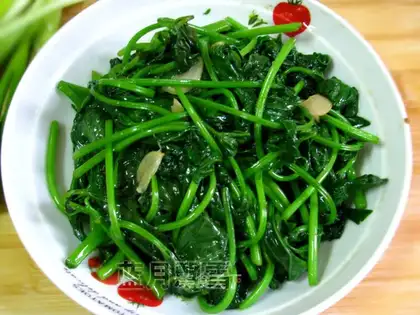 stir-fried sweet potato leaves
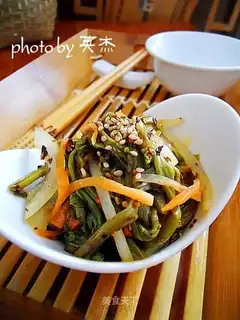 Spicy pickles
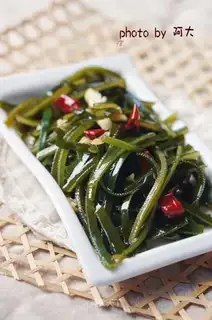 The seaweed