Nowadays, people often have many social engagements, which inevitably involves eating a lot of greasy food. When you eat too much, you'll notice changes in your body. Besides gaining a little weight, it may also affect the normal function of other organs. At this point, we need to eat some "grease-cutting" foods. Of course, a better method is to eat a healthy diet. If that's not possible, let's get to know these grease-cutting foods.
1. Cucumber
Cucumber is a great food that can not only be eaten but also used as a facial mask. Crisp and delicious, cucumber has the effects of clearing heat, quenching thirst, and promoting urination. It has many benefits when consumed regularly in daily life.
The cellulose it contains can promote the intestines to expel food waste, thereby reducing the absorption of cholesterol. Cucumber also contains a substance called "malic acid," which can inhibit the conversion of carbohydrates into fat in the body, having the effects of weight loss and regulating lipid metabolism.
Spicy Cucumber Salad
2. Eggplant
Contains a variety of vitamins, especially purple eggplant, which contains more vitamin P, which can enhance cell adhesion and improve the elasticity of capillaries. Medical research shows that eggplant can lower cholesterol and prevent vascular damage caused by hyperlipidemia, and can assist in treating diseases such as hypertension, hyperlipidemia, and arteriosclerosis.
3. Corn
Corn is a coarse grain with high nutritional value, rich in calcium, phosphorus, magnesium, iron, selenium, and vitamins A, B1, B2, B6, E, and carotene, etc. It is also rich in fiber.
Regular consumption of corn can lower cholesterol and soften blood vessels, and has a辅助 therapeutic effect on cholecystitis, gallstones, and diabetes.
4. Oats
Oats have the effect of lowering cholesterol and blood lipids. Because oats contain rich soluble dietary fiber that other grains do not have, this fiber is easily absorbed by the human body and is low in calories, which is beneficial for weight loss and also suitable for the dietary needs of patients with heart disease, hypertension, and diabetes.
5. Onions and Garlic
Onion contains compounds such as cycloalliin and thioallylamine, which help dissolve blood clots. Onion is almost fat-free, so it can inhibit the increase in cholesterol caused by a high-fat diet and help improve atherosclerosis. Garlic can lower total serum cholesterol, and the secondary metabolite of allicin, allyl methyl trisulfide, can prevent thrombosis.
Red Date, Pumpkin, and Tremella Soup
6. Red Dates
Red dates have many blood-enriching effects and are a favorite snack for many women. Eating more of them can improve the body's antioxidant and immune abilities, and is also very effective in lowering blood cholesterol and triglycerides.
7. Mung Beans
A great product for clearing summer heat, it has the effects of lowering blood lipids, protecting the heart, and preventing coronary heart disease. Animal experiments have shown that mung beans can effectively lower serum cholesterol, triglycerides, and low-density lipoprotein, and significantly reduce atherosclerotic lesions of the coronary artery. Clinical practice also shows that hyperlipidemia patients who eat an appropriate amount of mung beans daily have a significant cholesterol-lowering effect.
Lily, Tremella, and Mung Bean Soup
8. Sweet Potato
It has a strong effect of lowering blood cholesterol, maintaining the acid-base balance of the blood, delaying aging, and preventing cancer. Sweet potatoes are rich in dietary fiber and gelatin-like substances that promote bowel movements, making it a "intestinal scavenger".
9. Chinese Yam
Its mucoprotein can prevent fat deposition in the cardiovascular system, maintain vascular elasticity, prevent arteriosclerosis, reduce subcutaneous fat deposition, and avoid obesity. Dopamine in Chinese yam has the function of dilating blood vessels and improving blood circulation.
10. Shiitake Mushroom
It has the effects of promoting digestion, removing fat, and lowering blood pressure. The cellulose it contains can promote gastrointestinal peristalsis, prevent constipation, and reduce the absorption of cholesterol by the intestines. Shiitake mushrooms also contain nucleic substances such as eritadenine, which can promote the decomposition of cholesterol. Regular consumption of shiitake mushrooms can lower total cholesterol and triglycerides.
11. Sweet Potato
Nutritional research has found that moderate consumption of sweet potatoes can prevent lipid deposition in the cardiovascular system, prevent atherosclerosis, reduce subcutaneous fat, and avoid excessive obesity. It should be noted that excessive intake of sweet potatoes can increase the total calorie intake, which in turn is not conducive to lowering blood lipids.
Candied Hawthorn
12. Hawthorn
It mainly contains hawthorn acid, citric acid, fat-decomposing acid, vitamin C, flavonoids, carbohydrates and other components, and has the effects of dilating blood vessels, improving microcirculation, lowering blood pressure, and promoting cholesterol excretion to lower blood lipids. Hawthorn is an acidic food, so it is not advisable to eat it on an empty stomach or for too long. It is best to eat it after meals.
 Godanpi
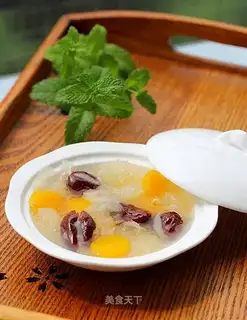 Silver ear soup for a pumpkin with red dates
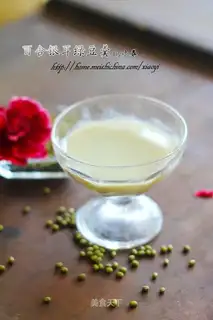 Lily's silver ear green beans
 Sweet and spicy