Hyperlipidemia and hypertension are common ailments today that can also lead to various vascular diseases, causing significant distress for many people. However, there are foods around us that can lower lipids and blood pressure, but unfortunately, many people are unaware of them. Today, let's explore how to lower blood pressure and lipids, and see what foods are effective for both.
Stir-fried White Radish Shreds
1. White Radish
The nutritional value of radish has always been a topic of discussion. Radish is rich in carbohydrates and various vitamins. Its vitamin C content is 8-10 times higher than that of pears. At the same time, radish does not contain oxalic acid, so it not only does not bind with calcium in food but also promotes calcium absorption.
2. Goji Berry
The general principle of health preservation should focus on replenishing qi and yang, and nourishing yin and kidneys. Goji berries are an excellent choice for this. Goji berries contain various essential nutrients for the human body: protein, fat, sugar, inorganic salts, and multiple vitamins. They have certain therapeutic effects on liver and kidney yin deficiency, soreness in the lower back and knees, weakened vision, and diabetes.
3. Hawthorn
Hawthorn is a natural lipid-lowering medicine. It mainly contains hawthorn acid, citric acid, fat-decomposing acid, vitamin C, flavonoids, carbohydrates, and other components. It has the effect of preventing and maintaining health by dilating blood vessels, improving microcirculation, lowering blood pressure, and promoting cholesterol excretion to reduce blood lipids. However, hawthorn is an acidic food and should not be eaten on an empty stomach or in excessive amounts for long periods. It is best to consume it after meals.
Soaking dried hawthorn in water to make tea and drinking it daily can lower blood lipids and soften blood vessels.
4. Sweet Potato
Doctors say that moderate consumption of sweet potatoes can prevent lipid deposition in the cardiovascular system, prevent atherosclerosis, reduce subcutaneous fat, and avoid excessive obesity. Fenghuang Chinese Medicine reminds that excessive intake of sweet potatoes can increase the total caloric intake, which is counterproductive to lowering blood lipids. Rice and white flour have relatively high levels of essential amino acids, while sweet potatoes contain lysine, which is scarce in them. Therefore, eating sweet potatoes, rice, and flour together is more nutritious!
5. Shiitake Mushroom
Doctors introduce that shiitake mushrooms have disease-preventing and health-preserving effects such as aiding digestion, removing fat, and lowering blood pressure. The cellulose it contains can promote gastrointestinal motility, prevent constipation, and reduce cholesterol absorption in the intestines. Shiitake mushrooms also contain nucleic substances such as eritadenine, which can promote cholesterol breakdown. Regular consumption of shiitake mushrooms can lower total cholesterol and triglycerides. Eating shiitake mushrooms with Job's tears has the effect of strengthening the spleen, promoting diuresis, regulating qi, and resolving phlegm. Besides these foods, what other foods have the effect of lowering blood pressure and lipids?
6. Cucumber
Cucumber, also known as king melon or hu melon, is divided into spined cucumbers and whip cucumbers by its appearance. It has the effects of clearing heat, quenching thirst, and promoting urination. It also contains a large amount of cellulose, which can promote the excretion of food waste from the intestines and reduce cholesterol absorption; it can inhibit the conversion of sugars in the body into fat, having special effects on weight loss and regulating lipid metabolism. People with hyperlipidemia and overweight who eat more cucumbers can lower blood lipids and blood pressure, which is beneficial for weight loss. Cucumber is also rich in potassium, which can accelerate the metabolism of blood, expel excess salt from the body, and is beneficial for the recovery of patients with nephritis and cystitis.
Douban Eggplant
7. Eggplant
Eggplant, also known as luosu, comes in white and purple varieties. It contains multiple vitamins. Among them, vitamin P can enhance cell adhesion, improve the elasticity of microvessels, and prevent microvascular bleeding. Modern clinical medical research has confirmed that eggplant can effectively lower the cholesterol content in the body, prevent vascular damage caused by hyperlipidemia, and is the best vegetable for lowering lipids and maintaining health for patients with hypertension, hyperlipidemia, cerebral hemorrhage, atherosclerosis, and fundus hemorrhage.
8. Mung Bean
Mung bean is also called ji bean. In the "dog days" of summer, the cool and sweet mung bean soup is a popular drink for relieving summer heat. Mung beans can also lower blood lipids, protect the heart, and prevent coronary heart disease. Foods made from mung bean flour can effectively lower serum cholesterol, triglycerides, and low-density lipoprotein, significantly alleviating coronary atherosclerosis. Clinical observations have found that for hyperlipidemia patients who consume 50 grams of mung bean food daily, the serum cholesterol reduction rate reaches 70%, with little change in triglycerides. Eating mung beans has no side effects, can supplement protein, reduce hunger, and is suitable for those with elevated blood lipids accompanied by obesity or diabetes.
9. Peanut
Peanuts contain a large amount of plant protein, and the fats they contain are unsaturated fatty acids and sterols. Peanuts are effective in lowering blood cholesterol by 12% to 15%. This is because after digestion in the small intestine, peanuts come into contact with bile and can absorb the cholesterol in the bile, thereby lowering the cholesterol content. Peanuts are also rich in vitamin E, which can reduce the number of platelets depositing on the vessel walls, strengthen the contractile function of capillaries, improve defects in coagulation factors, and keep blood vessels soft and unobstructed, playing a positive role in preventing and treating coronary heart disease. They also contain lecithin, which can improve intelligence and brain health, and delay aging. For various bleeding disorders, such as hemophilia, thrombocytopenic purpura, and functional uterine bleeding, peanuts have auxiliary therapeutic effects.
10. Corn Oil
The corn germ contains 52% plant fat. Corn oil is a high-quality oil extracted from the corn germ. It has a high digestibility and good stability, and has the effect of preventing and treating cardiovascular diseases. Corn oil is also extremely rich in unsaturated fatty acids, which can promote the excretion of steroids and bile acids, prevent the synthesis and absorption of cholesterol, make it difficult for cholesterol to deposit on the arterial walls, and prevent arteriosclerosis. In addition, corn oil contains glutathione, which has a good anti-cancer effect, and is extremely rich in selenium, vitamin A, vitamin E, lecithin, and glutamic acid, which are beneficial for improving intelligence and brain health, and delaying aging.
11. Apple
Apples are rich in fructose, pectin, cellulose, organic acids, and trace elements such as lithium, bromine, and zinc. They have the function of softening blood vessels and preventing and treating arteriosclerosis and coronary heart disease. Research shows that eating more apples has a good blood pressure-lowering effect on hypertensive patients who consume too much salt.
12. Watermelon
Watermelon contains more than ten kinds of nutrients and has a very good therapeutic effect on the treatment of hypertension. You can decoct watermelon with cassia seeds to make a tea substitute, which has a very good effect. Watermelon seeds are also a good medicine for lowering blood pressure and promoting urination. Watermelon is called the "natural white tiger soup" and is also known as "cold melon," so people with a weak and cold constitution should not eat too much of it.
13. Fresh Plum
Fresh plums are rich in nutrients such as acids, citric acid, malic acid, and succinic acid. For those with hypertension, dizziness, and insomnia who have difficulty sleeping at night, you can take 3 pieces of aged stewed plums (made from dark plums stewed with water over low heat), add an appropriate amount of boiling water, and stew and take them. This has the effects of lowering blood pressure, inducing sleep, clearing heat, and promoting fluid production.
14. Lemon
Lemons are rich in vitamin C and vitamin P, which can enhance the elasticity and toughness of blood vessels, alleviate calcium ions from promoting blood clotting, and can prevent and treat cardiovascular diseases such as hypertension. Lemon and water chestnut soup: Slice 1 fresh lemon with its skin, peel 5 water chestnuts (chufa), and cook them together into a soup. Drink once daily. Middle-aged and elderly friends who often drink this can prevent hypertension.
In conclusion: The above are the foods introduced by the editor for lowering lipids and blood pressure. I really didn't expect that these foods around us could have such good effects. At the same time, it also lets everyone know what the foods for lowering blood pressure and lipids are. If you have high blood lipids or high blood pressure, you can try to regulate them through these foods.
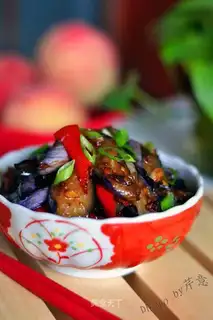 Bean petal eggplant
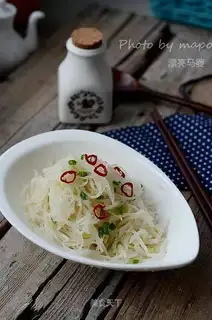 Piggy radish