Friends with allergies must pay close attention to their daily diet to know what foods they can and cannot eat, because consuming the wrong food could trigger an allergic reaction. Here, the editor has summarized some dietary principles for people with allergies. Come and take a look.
What People with Allergies Can Eat
Eat red dates
Red dates contain a large amount of an anti-allergy substance—cyclic adenosine monophosphate (cAMP), which can prevent allergic reactions. Patients with any allergy symptoms can eat red dates regularly.
Lily and Tremella Soup with Red Dates
Drink honey
Drinking honey regularly can help you stay away from seasonal allergy symptoms such as colds, itching, and coughing. The reason honey can prevent allergies is that it contains trace amounts of bee venom. Bee venom is a fluid found in bees and is used in the clinical treatment of allergic diseases like bronchial asthma. In addition, honey contains some pollen grains, and regular consumption can build up a certain resistance to pollen allergies.
Eat carrots
The beta-carotene in carrots can effectively prevent allergic reactions such as pollen allergies and allergic dermatitis.
Eat enoki mushrooms
Regular consumption of enoki mushrooms helps to remove heavy metal ions and toxins and waste products from the body, effectively enhancing the body's vitality. The stem of the enoki mushroom contains a protein that can inhibit allergic conditions like asthma, rhinitis, and eczema. Healthy people can also eat enoki mushrooms to boost their immune function.
So, what foods should people with allergies avoid?
What People with Allergies Cannot Eat
Celery
Celery can trigger oral allergy syndrome, whose symptoms are not a stuffy nose or sneezing, but rather itching in the mouth or throat.
Sautéed Celery with Lily
Spicy foods
Have you ever developed sinusitis after eating spicy food? The capsaicin in chili peppers can trigger symptoms similar to allergies, such as nasal congestion, tearing, and sneezing.
Alcohol
Have you ever felt congested after drinking alcohol? Alcohol causes blood vessels to dilate, just like it makes your face flush, and it can also make allergic nasal congestion worse. If you already feel a bit congested before you start drinking, you should probably put your glass down. Alcohol also contains some histamine that is naturally produced during fermentation, which can exacerbate allergic reactions.
People with allergies must remember to avoid the foods mentioned above.
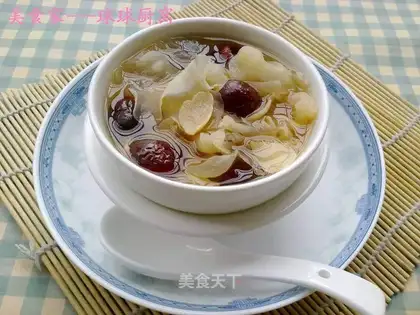 Lily, white fungus and red dates soup
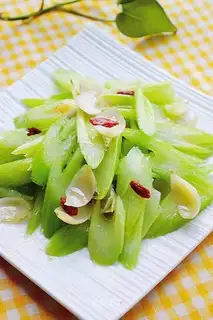 Celery makes lilies