Many people find cooking to be a troublesome and time-consuming task. That's because you're not doing it right! Check out these tips below, and once you master them, even top chefs will have to learn from you!
How to prevent lotus root from turning black
Cold-dressed lotus root
1. When boiling lotus root, add cold water with 2% salt and 12% rice vinegar. This will prevent the lotus root from turning black and also keep it from spoiling.
2. Add vinegar to the lotus root. Blanched lotus root with vinegar added will also prevent it from turning black.
How to prevent vegetables from becoming wilted
Vegetables should not be cooked with cold water, as cold water will make them wilt and less tasty. Stir-frying vegetables with boiling water will make them fresh and tender. The stir-frying time should not be too long.
How to prevent eggplant from oxidizing
Once cut, eggplant should be immediately cooked or placed in water, otherwise it will oxidize and turn black. When stir-frying eggplant, add a small amount of vinegar. The cooked eggplant will not turn black.
How to prevent tofu from breaking apart
Sauced tofu
1. Before adding tofu to the pan, soak it in salt water for 30 minutes. This will prevent oil from splattering during frying.
2. Blanch the tofu in salt water. Before boiling, you can blanch the tofu cubes in salt water to make them less likely to break apart.
3. For tofu in a carton, to remove it whole, you can make a slit in the back of the carton to let air in.
4. Before cooking, you can soak the tofu in boiling water for ten minutes to remove any strange odors and make it more fragrant.
Secret to stir-frying sweet peppers
Sweet peppers should be stir-fried over high heat quickly. Add a little fine salt and vinegar while stir-frying, and it's ready to be served after a few tosses.
Secret to stir-frying bean sprouts
When stir-frying bean sprouts, the process should be quick. If you add a little vinegar while stir-frying, it can remove the astringent taste from the sprouts and keep them crisp and fresh.
Egg tips
1. When boiling eggs, soak them in cold water for a few minutes before placing them in the pot to prevent the shells from cracking.
2. Adding a little vinegar to the water when boiling eggs can also prevent them from cracking.
3. Before taking scrambled eggs off the heat, add a few drops of white vinegar. This will enhance the flavor and remove any strange taste.
4. When frying eggs, add a little cold water when the yolk is almost cooked. The egg will be more yellow and tender.
How to remove the fishy smell from fish
1. When washing fish, add salt to the water to remove the muddy, fishy smell.
2. Soak the fish in liquor. Before frying, you can soak the fish in baijiu (white liquor), which will make the fried fish fresh and delicious without any fishy smell.
3. After cleaning the fish, add red wine, which can also help to remove the fishy smell.
4. After handling the fish, if there is a fishy smell on your hands, you can wash them with toothpaste or baijiu.
Two ways to prepare sole
How to make beef, mutton, and pork more tender
1. Marinate the meat slices with egg white for 30 minutes before stir-frying to make the meat fresh, tender, and smooth.
2. To thaw frozen meat, use a high-concentration saltwater solution. This will make the meat more tender.
3. When boiling beef, wrap a small handful of tea leaves in a gauze cloth and boil them together with the beef. The meat will become tender faster and taste more delicious.
Crispy shrimp
Place the shrimp in a bowl, add a little fine salt and edible alkali powder. Rub them by hand for a while, then soak them in clean water and rinse. This will make the stir-fried shrimp transparent like crystal and crisp and delicious.
How to make a good fish soup
To make a good pot of fish soup, you must use cold water. After bringing the cold water to a boil, skim off the scum. This will remove the fishy smell, and the fish protein will coagulate slowly, allowing the nutrients to be fully released into the soup. For a rich soup, cook over high heat; for a clear soup, cook over low heat. Fish soup will turn white only after the fish has been fried, and it must be fried on both sides.
How to make a good bone broth
Lotus root and crescent moon bone broth
When making bone broth, never add cold water halfway through, as the sudden drop in temperature will cause the protein and fat to solidify rapidly, affecting the nutrition and flavor. It's best to add enough water at the beginning or add boiling water midway. When simmering bone broth, start with cold water and simmer over low heat for 6 hours for it to turn white. If you need to add more water, never add cold water. As long as you keep adding hot water, the broth can remain milky white. Adding a drop of vinegar will instantly turn it into a clear soup.
How to make a good meat broth
When cooking meat, if you want the broth to be delicious, you should place the meat in cold water and cook it slowly. If you want the meat itself to be delicious, you should place it in boiling water.
Coconut and mung bean soup
When making mung bean soup, first stir-fry the mung beans in the pot for 10 minutes. This way, they will cook much faster.
Fragrant, separate grains of rice
1. The ratio of rice to water should be appropriate. Typically, the ratio is 1:1.2 to 1:4 (rice to water). The rice can be soaked in advance for 1 hour.
2. Add a little vinegar. For 500g of rice, add 1ml of vinegar. The rice will be more fragrant, fluffy, and soft, without a vinegary taste.
3. Add a little oil. Add a small tablespoon of oil to the rice and mix it evenly. The grains will be separate and won't stick to the pot.
4. Add a little salt. This can be used on leftover rice to remove any strange odors.
Al dente noodles
Clear noodle soup
1. When boiling noodles, add a small spoonful of cooking oil. The noodles won't stick together, the broth won't foam, and it's less likely to boil over.
2. When boiling noodles, add salt. This will prevent the noodles from becoming mushy.
How to prevent dumplings from sticking
1. When making the dough, add one egg per jin (500g) of flour. This will prevent the dumpling skins from sticking together.
2. When boiling dumplings, add a little salt. The water won't boil over when it comes to a boil.
3. When boiling dumplings, add salt or chopped green onions. The cooked dumplings won't stick together.
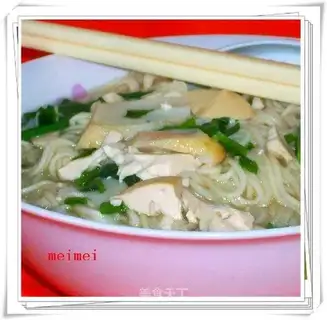 Clear soup noodles
 Cold lotus root
 tofu with sauce
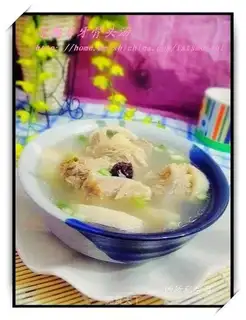 Lotus root crescent bone soup
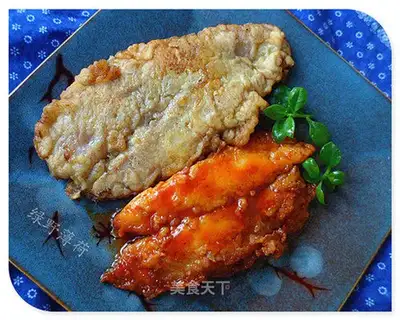 Two for the dragonfish