In spring, all things revive, but it is windy and the air is dry, making infectious diseases prone to spread. The editor has summarized 8 categories of food, represented by 8 specific items, to help expectant mothers protect themselves well and enjoy the limitless spring scenery in this vibrant season.
In spring, Western medicine reminds expectant mothers that allergens are easily dispersed and viruses and bacteria are rampant, so they should be cautious of infectious and allergic diseases. From the perspective of Traditional Chinese Medicine (TCM), spring is windy and dry, and external pathogens like wind and dryness can invade the body, easily transforming into heat internally. This can lead to symptoms of "internal heat" in expectant mothers, such as a sore throat, thirst, cough, and constipation. So, what foods and nutrients can help expectant mothers maximize their health during this season?
Tuna and Vegetable Salad
5 Essential Nutrients for Spring
1. Vitamin B6
For those who especially need it: Expectant mothers in the first trimester.
In spring, the dry weather can exacerbate symptoms of morning sickness for expectant mothers. Appropriately supplementing with foods rich in B6 can help alleviate symptoms like loss of appetite and nausea. Vitamin B6 is a necessary substance for human fat and sugar metabolism, closely related to amino acid absorption, protein synthesis, and fat metabolism, and is essential for cell growth. It is very helpful for reducing pregnancy-related reactions, regulating mood, and relieving tension. However, this nutrient is not suitable for drug supplementation because long-term, high-dose intake of Vitamin B6 can cause dependency in the mother, leading to adverse reactions in the newborn such as excitability, fussiness, and being easily startled. Therefore, it is recommended to rely on food for supplementation unless necessary.
Foods rich in B6 include: tuna, soybeans, chicken breast, bananas, peanuts, etc.
Daily requirement for each expectant mother: 2 mg (equivalent to the Vitamin B6 in about 200g of tuna, or 250g of soybeans, or approximately 300g of chicken).
2. Vitamin C
For those who especially need it: Expectant mothers who are often ill.
In spring, infectious and allergic diseases are prevalent. Vitamin C is a powerful antioxidant that protects, regulates, and promotes the catalytic function of enzyme systems. In the human body, it also assists in the absorption of iron and calcium, and the utilization of folic acid. It can help boost immunity, prevent various diseases, and help protect teeth and gums. Additionally, Vitamin C can reduce melanin deposition in the skin, thereby reducing the appearance of chloasma and protecting the expectant mother's beauty and health.
Foods rich in Vitamin C include: Fresh fruits and vegetables contain quite a bit of Vitamin C. For example, oranges, kiwis, lemons, grape juice, tomatoes, etc.
Daily requirement for each expectant mother: 80 mg (equivalent to the Vitamin C in half a cup of fresh orange juice, or half a kiwi).
3. Vitamin E
For those who especially need it: Expectant mothers with a history of threatened miscarriage.
Vitamin E, also known as tocopherol, is a very strong antioxidant that can inhibit the oxidation of fatty acids, protect cells from free radical damage, promote human metabolism, improve skin blood circulation, enhance physical endurance, and boost immunity. In spring, it can help expectant mothers prevent disease. Especially for those with a history of threatened miscarriage, taking Vitamin E under a doctor's guidance can also help prevent miscarriage.
Foods rich in Vitamin E include: Various vegetable oils, nuts such as walnuts, sunflower seeds, pine nuts, etc., as well as egg yolks, shellfish, and wood ear mushrooms.
Daily requirement for each expectant mother: 10 mg (equivalent to the Vitamin E in 4 small teaspoons of peanut oil, or about 20g of walnuts).
4. Potassium
For those who especially need it: Expectant mothers who always feel sleepy.
As winter turns to spring, due to temperature changes, the human body is prone to fatigue and drowsiness, which we commonly call "spring sleepiness." Potassium helps maintain the body's fluid balance, osmotic pressure, and acid-base balance, maintain normal muscle tension, and participate in the metabolism of proteins, carbohydrates, and energy. Consuming an appropriate amount of potassium can help alleviate feelings of fatigue and reduce the severity of morning sickness. Expectant mothers who always feel drowsy or suffer from severe morning sickness should not overlook consuming potassium-rich foods.
Foods rich in potassium include: Potatoes, soybeans, shiitake mushrooms, longans, lily bulbs, seaweed, kelp, etc.
Daily requirement for each expectant mother: 2.5 grams (equivalent to the potassium in 8 medium-sized potatoes, or 5 shiitake mushrooms, or a small plate of kelp).
Soybean and Pork Knuckle Soup
5. Magnesium
For those who especially need it: Expectant mothers with high blood pressure.
Magnesium is an activator for many enzymes within cells, participates in protein synthesis in the human body, has functions such as controlling muscle contractions, and helps maintain normal blood circulation. It is an essential element for maintaining life activities and is also an "antagonist" for the "three highs" (high blood pressure, high cholesterol, high blood sugar). Spring is a high-incidence period for hypertension, so expectant mothers should pay attention to consuming magnesium-rich foods to prevent hypertension and pregnancy-induced hypertension.
Foods rich in magnesium include: Soybeans, shiitake mushrooms, Malabar spinach, spinach, etc.
Daily requirement for each expectant mother: 350 mg (equivalent to the magnesium in 175g of soybeans, or a bunch of spinach).
6. Vitamin B2
For those who especially need it: Expectant mothers who are prone to "cracked corners of the mouth."
"Cracked corners of the mouth" is the most common "minor ailment" in spring, mainly caused by a lack of Vitamin B2, which is a manifestation of "internal heat" in spring. Vitamin B2, also known as riboflavin, is an important component of many enzyme systems in the human body and plays a crucial role in maintaining normal material and energy metabolism.
Foods rich in Vitamin B2 include: Pork liver, beef liver, yeast, seaweed, soybeans, etc.
Daily requirement for each expectant mother: 1.8 mg (equivalent to the Vitamin B2 in 85g of pork liver, or 720g of soybeans).
2 Indispensable Foods for Spring
1. Garlic
Garlic contains a substance called "allicin," whose antibacterial ability is one-tenth that of penicillin, thus garlic is known as a "natural antibiotic." Research shows that a certain dose of allicin can kill Shigella, E. coli, typhoid bacillus, Vibrio cholerae, and Salmonella in the intestines; it can also kill or inhibit Mycobacterium tuberculosis, diphtheria bacillus, and Staphylococcus in the respiratory tract, as well as mold on the skin. It is an essential disease-preventing food for expectant mothers in spring. However, it should not be consumed in excessive amounts.
2. Honey
Honey contains various enzymes, vitamins, fructose, proteins, and trace elements, making it an excellent nourishing and moisturizing drink for spring.
A glass of honey water in the morning and evening can moisten the intestines and relieve constipation, prevent colds, and also help remove toxins from the body.
Tips: In spring, one should choose sweet and cool foods.
TCM believes that spring is a season of growth and renewal. When all things begin to stir and yang energy flourishes, it can easily stir up stagnation and heat in the body, leading to liver fire, or cause the body's fluids to be depleted. Sour flavors can easily cause an excess of liver qi. Therefore, food should be primarily sweet and cool, such as bananas, pears, sugarcane, dried persimmons, mushrooms, celery, eggplant, etc. This is especially true for expectant mothers who are prone to "internal heat."
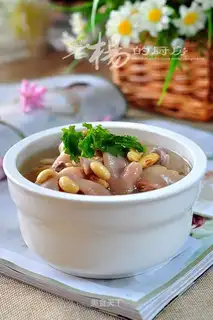 Soybean hoof soup
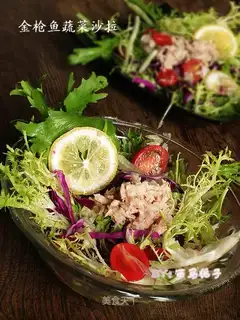 Tuna vegetable salad