The onion is an unassuming ingredient that is easily overlooked, yet it is both delicious and nutritious.
Nutritionists point out that as a member of the Allium genus, onions have a strong odor, a fact that housewives know best, remembering all too well the pungent sensation that makes the nose sting and the eyes water when cutting onions. In addition to being rich in minerals and vitamins like other vegetables, onions are more importantly rich in certain phytochemicals that are very beneficial to health, including sulfur compounds and flavonoids.
Crispy Onions
Onions can be divided into white-skinned and purple-skinned varieties, with slight differences in their nutritional content. White-skinned onions are higher in vitamin C and carotene, while purple-skinned onions are higher in dietary fiber and minerals such as calcium, phosphorus, potassium, magnesium, and iron. Additionally, purple-skinned onions contain a higher amount of flavonoids than white-skinned ones.
Stir-fried Pork Liver with Onions
The sulfur compounds in onions are responsible for their pungent taste and irritating smell. These compounds are normally stable in the cytoplasm of onion cells. When an onion is cut, its cells are damaged, and the sulfur compounds in the cytoplasm encounter enzymes from the vacuoles, triggering a chemical reaction that produces irritating sulfur gases, which are the onion's lachrymatory factors. Besides this "tear-inducing" side effect, the sulfur compounds in onions can exert various beneficial health effects, including antibacterial and anti-inflammatory properties, inhibiting platelet aggregation to prevent thrombosis, lowering blood sugar and blood lipids, and anticancer activity.
Stir-fried Sausage with Onions and Celery
Another class of active substances in onions are flavonoids, mainly including flavonols and anthocyanins, among which quercetin is the most active and is found in the highest concentrations in red/purple-skinned onions. In recent years, the physiological functions of flavonoids have received widespread attention. Through their strong antioxidant mechanisms, they play a role in protecting cardiovascular and cerebrovascular health, anti-aging, and anti-tumor effects. Furthermore, onions are one of the very few foods currently known to contain prostaglandin A. Prostaglandin A is a vasodilator that can lower blood pressure and prevent thrombosis.
Chicken and Cheese Fried Rice with Onions
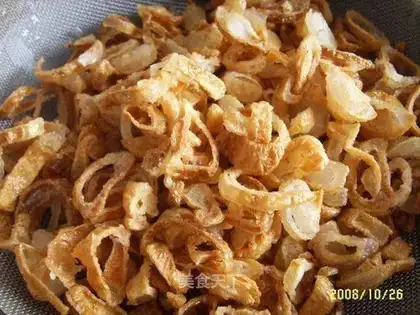 onion crisp
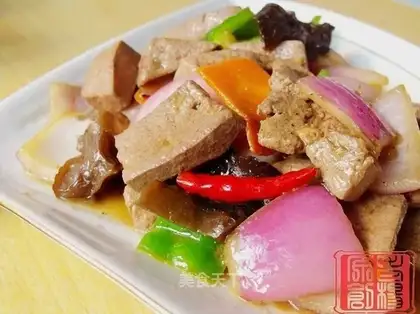 Fried pork liver with onion
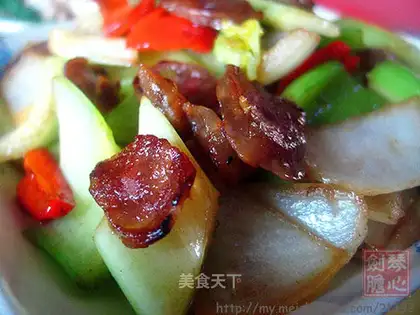 Sausage with onion and celery
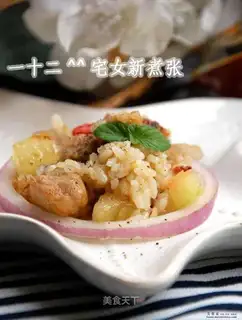 Fried rice with diced chicken and cheese with onion