Boiled eggs, steamed eggs, poached eggs, scrambled eggs... different cooking methods have a significant impact on the nutritional absorption of eggs. In this issue, a nutritionist will analyze the nutritional value of eggs in detail and list an "Egg Cooking Method Ranking" to tell you which cooking method is best for absorbing the most protein, benefiting the heart, and supplementing vitamins.
Among all foods, eggs have the most diverse cooking methods. According to various studies and experimental data, experts have compiled three egg cooking method rankings for us. Ultimately, they found that "boiled eggs in the shell" ranked first in every list.
Boiled eggs
"Heart-Healthy Ranking":
First place: Boiled eggs in the shell. No oil is added, the cooking temperature is not high, and the cholesterol in the yolk does not come into contact with oxygen (once oxidized, cholesterol becomes one of the most serious threats to cardiovascular health). Therefore, it is the most heart-healthy way to eat eggs.
Second place: Poached eggs.
Third place: Egg drop soup and steamed eggs.
Fourth place: Fried eggs.
Poached egg with vermicelli soup
Fifth place: Scrambled eggs (thin omelet). This refers to an egg pancake made with a small amount of oil over low heat, so the cholesterol in the yolk is not oxidized much.
Sixth place: Stir-fried eggs. The eggs are beaten before being stir-fried, so the cholesterol in the yolk has more contact with the air and is more oxidized. Eggs absorb oil easily, and a large amount of oil is used.
"Protein Digestibility Ranking":
First place: Boiled eggs in the shell. Research shows that the protein digestibility of boiled eggs is as high as 99.7%, almost entirely absorbed and utilized by the body.
Second place: Fried eggs and scrambled eggs (thin omelet). The protein digestibility of these two methods is 98%.
Third place: Stir-fried eggs. Protein digestibility is 97%.
Scrambled eggs with scallions
Fourth place: Steamed eggs. Protein digestibility is 92.5%.
Fifth place: Raw eggs. Protein digestibility is only 30%—50%.
"Vitamin Retention Ranking":
First place: Boiled eggs in the shell. Low heating temperature retains nutrients comprehensively.
Second place: Steamed eggs. Low heating temperature results in little loss of water-soluble vitamins such as riboflavin and lutein.
Fried eggs with fermented bean curd and broad beans
Third place: Poached eggs. Low heating temperature results in a slight loss of water-soluble vitamins.
Fourth place: Fried eggs. High heating temperature leads to the loss of both fat-soluble vitamins (A, D, E, K) and water-soluble vitamins.
Fifth place: Scrambled eggs (thin omelet). High heating temperature leads to the loss of all vitamins.
Sixth place: Stir-fried eggs. High heating temperature results in significant vitamin loss.
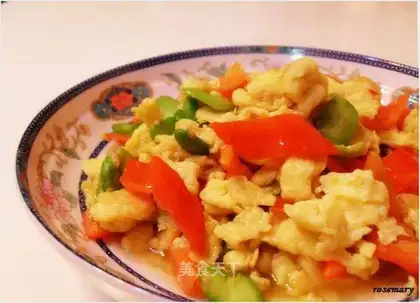 Scrambled egg with fermented bean curd and broad bean curd
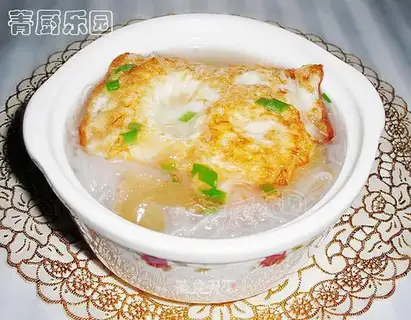 Poached egg and vermicelli soup
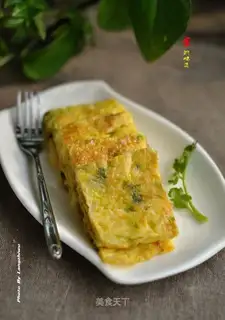 Onion bouquet eggs
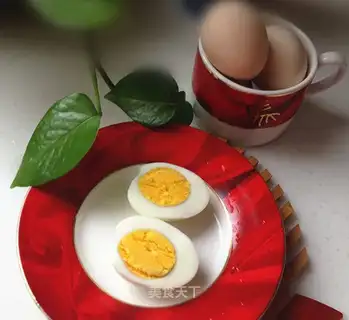 Boiled eggs