As a foodie who doesn't sweat the small stuff, what you eat is often not the most important thing. The most important thing is: as long as it's delicious! We're on a non-stop eating journey, not to change the world, but to strive not to let the world change us. Therefore, nutritional balance is crucial. Some things must not be eaten casually, like the ones below, so be sure to pay attention...
I. Daylily
Fresh daylilies contain colchicine toxin. Eating them raw can cause allergic symptoms such as abdominal pain, diarrhea... etc. Therefore, they must be soaked in water for two hours first, then cooked thoroughly over high heat before being eaten. Stir-frying them lightly and eating them can easily trigger allergies.
Garlic Mashed Hand-Torn Eggplant
II. Eggplant
Eggplant is cool and slippery. People with weak spleen and stomach should not eat too much, and women should also try to avoid it around their menstrual period. Overripe eggplant is poisonous after consumption and should not be eaten. Eggplant contains components that can trigger allergies. Eating too much can make a person's nervous system unstable, so people with allergies should avoid it.
III. Taro
Not suitable for those with phlegm or allergies. The mucus in taro can irritate the throat's mucous membranes, which may worsen coughing and produce more phlegm, so those with coughs and phlegm should avoid it. The unique mucus of taro can cause the palms to become red, swollen, and itchy, but the effective medicinal ingredients are in this mucus, so do not intentionally wash it off before cooking. However, those with allergies should eat it in moderation.
IV. Chives
Chives are warm in nature. Do not eat them after drinking alcohol. Chives are considered warming; eating too much can cause dizziness and disorientation, and it's especially not advisable to eat them after drinking. Patients with wind-heat type colds, inflammation, measles, tuberculosis, constipation, hemorrhoids... etc., should avoid eating them. The fiber in chives is very coarse. People with digestive diseases or indigestion should not eat too much at once, otherwise it will cause bloating and discomfort.
Taro and Lettuce Soup
V. Spinach
Spinach contains a lot of oxalic acid. When eaten with high-calcium foods, it easily forms calcium oxalate and causes kidney stones. Therefore, spinach should be avoided with foods high in calcium like tofu, black sesame seeds, yogurt... etc. Do not eat them in the same meal or in close succession, especially for those who already have stones, it's best to avoid them.
VI. White Radish
White radish is inherently cold and cool. People with a weak spleen and stomach, stomach and duodenal ulcers, chronic gastritis, simple goiter... etc., should not eat too much. White radish can affect the efficacy of Chinese medicine, especially when taking ginseng, fo-ti, rehmannia... etc. It should be avoided.
Spinach in Supreme Broth
VII. Chinese Yam
Chinese yam has an astringent effect. People with constipation or difficulty with bowel movements should not eat it, otherwise the constipation will become more severe. Eating too much Chinese yam can promote the secretion of hormones, which is beneficial for most people, but patients with gynecological tumors (including uterus, ovaries, breasts), and male prostate cancer should avoid it, as it can promote tumor growth.
VIII. Spring Bamboo Shoots
Bamboo shoots not only contain insoluble calcium oxalate, making them unsuitable for those with urinary, kidney, or gallstones, but they also contain a lot of coarse fiber, which can be a pathogenic factor for patients with gastrointestinal diseases and cirrhosis. When eating spring bamboo shoots, you also need to prevent allergies. The elderly and children should not eat too much, and it's best not to exceed half a shoot per meal. Spring bamboo shoots contain insoluble oxalic acid, and excessive consumption can easily induce asthma, allergic rhinitis, and dermatitis. Therefore, children should eat small amounts of spring bamboo shoots and not eat hairy shoots. The elderly must chew bamboo shoots slowly and thoroughly.
Four-Color Chinese Yam
IX. Sweet Potato
Sweet potatoes with black spots can easily cause poisoning. Sweet potatoes with brown or black spots on the skin are contaminated with black spot disease. The toxins excreted by the black spot fungus make the sweet potato hard and bitter, and are highly toxic to the human liver. This toxin's biological activity cannot be destroyed by boiling, steaming, or roasting. Therefore, eating sweet potatoes with black spots, whether raw or cooked, can cause poisoning.
X. Lettuce
Not suitable for those with a weak spleen and stomach to eat in large quantities. Although lettuce is delicious, it should not be eaten in excess, otherwise it can cause night blindness. In addition, those with a weak spleen and stomach should not eat too much.
Beijing Sauce Lettuce
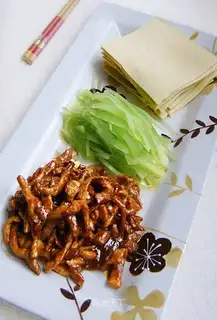 lettuce with Beijing sauce
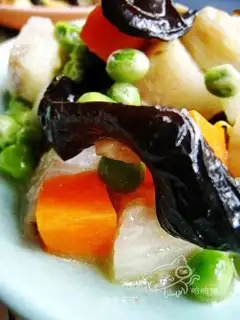 four-color yam
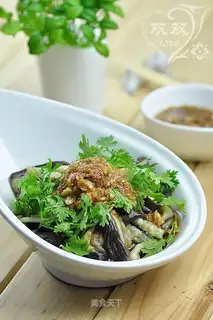 Garlic hand tore eggplant
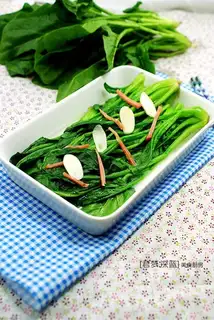 Pineapple
 - Pelicans