Sometimes children are picky eaters, disliking vegetables and only eating meat, or only eating snacks and refusing meals, which worries their parents greatly. In fact, this might be caused by indigestion in the child. How can parents stimulate their child's appetite and relieve indigestion?
Symptoms of Indigestion in Children
1. Infantile Food Accumulation
Children often complain of a bloated stomach right after eating. This is a manifestation of indigestion known as food accumulation. If this condition persists and is accompanied by bowel dysfunction, it can lead to internal heat and "fire" in the body. If not addressed in a timely manner and allowed to progress, it can easily trigger various diseases and often severely damage the child's gastrointestinal function.
2. Childhood Anorexia
"My child doesn't want to eat anything, and feeding is very difficult." This is a common problem parents face. Most parents patiently coax and trick their child into finishing a bowl of rice; some resort to a high-pressure policy, forcing them to eat. In fact, anorexia is a manifestation of indigestion in children.
Tofu and Egg Custard
Further Reading: A Complete Guide to Eating Tofu
3. Malnutrition in Children
A child who is thin and malnourished often has insufficient gastrointestinal motility, which prevents the normal absorption of enough energy, protein, vitamins, and trace elements, leading to various diseases and a weakened body. Seeing a frail and weak child, which parent can bear it?
4. Pharyngitis
When talking about indigestion, people's first thought is poor stomach function. However, few people associate it with pharyngitis. In fact, there are multiple causes of pharyngitis, one of which is indigestion. It can induce various respiratory diseases, causing children to cough at night and affecting their rest.
What Foods Are Good for Indigestion?
There are two types of indigestion: functional and organic. Ultimately, the root of the problem lies in the stomach, so resolving it involves soothing the liver and regulating the qi. Therefore, in addition to massage, indigestion can also be managed through dietary adjustments. At this time, we should eat more foods that strengthen the stomach and aid digestion!
1. Tomato: Tomatoes can significantly reduce the risk of cancer, such as pancreatic cancer. They are also the best source of vitamin C. The lycopene in tomatoes can prevent cancer and cardiovascular diseases, reduce the incidence of prostate cancer, and unsalted tomato juice is more beneficial for the health of patients with hypertension and other cardiovascular diseases.
Italian Tomato Soup
Further Reading: A Complete Guide to Eating Tomatoes
2. Carrot Juice: First, take 500 grams of carrots, wash and mash them, add a little water and cook for 10-15 minutes, filter with a gauze, add water to make 1000ml, then add 3-5% sucrose and bring to a boil. Pour into a bottle, boil for another 5-10 minutes for sterilization, and then drink.
3. Tofu: While being brain-healthy, tofu also helps inhibit cholesterol intake. Soy protein significantly lowers plasma cholesterol, triglycerides, and low-density lipoprotein, which can not only prevent colon cancer but also help prevent cardiovascular and cerebrovascular diseases. The combination of tofu and white radish can effectively promote digestion.
4. Onion: Onions contain allicin, which has a rich aroma. The pungent smell during processing often makes people cry. This special smell can stimulate gastric acid secretion and increase appetite. Animal experiments have also shown that onions can increase gastrointestinal tension and promote gastrointestinal motility, thus acting as an appetizer. They have a significant effect on loss of appetite caused by atrophic gastritis, insufficient gastric motility, and indigestion.
5. Kiwi: Kiwi fruit cleanses the body of waste. It contains a good amount of dietary fiber and protein-splitting enzymes, which can quickly remove harmful metabolic products accumulated in the body.
6. Yogurt: In addition to all the nutrients of milk, yogurt is rich in lactic acid, which can break down the lactose in milk into lactic acid. For people with insufficient lactase in the gastrointestinal tract or those who are prone to diarrhea when drinking fresh milk, they can switch to yogurt. Lactic acid can inhibit the growth of molds in the body and prevent the imbalance of intestinal flora caused by the use of antibiotics. Lactic acid can also prevent the accumulation of toxins produced by spoilage bacteria decomposing proteins, thus having a cancer-preventing effect.
Carrot and Apple Juice
Further Reading: A Complete Guide to Eating Carrots
7. Apple: In addition to being rich in vitamins, the cellulose in apples can stimulate intestinal peristalsis and accelerate bowel movements, so it also has a laxative effect and is quite effective for constipation.
8. Prune: Prunes are acidic, aid digestion, and have a mild laxative effect, making them an excellent choice for quickly relieving indigestion.
9. Pineapple: Pineapple contains enzymes that break down protein and aid digestion, and it is also rich in vitamin C. One slice of pineapple contains about 24mg of vitamin C, which is 40% of the daily requirement. Drinking a glass of pineapple juice is enough to provide the daily requirement of vitamin C.
Sliced Crispy Apple
Further Reading: A Complete Guide to Eating Apples
You may also like:
3 Major Dietary Taboos That Will Cause Children Indigestion
Child Indigestion and Refusing Solid Foods? Here Are the Solutions
Child Indigestion: 5 Clever Ways to Solve It
Can Yeast Tablets Treat Child Indigestion?
 Carrot apple juice
 Lights and apples
 Salted salmon in Eastern Europe
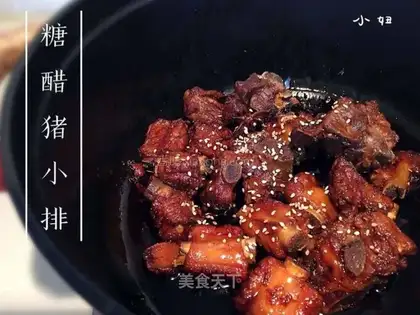 Sugar vinegar ribs