The autumn season, due to the weather, can bring many ailments: colds, nasopharyngitis, itchy skin, dry eyes, etc. At this time, dietary changes should also be noted. So, what is suitable to eat in the fall?
1. Lotus Root: Moistening Dryness
After autumn, people can easily become irritable and uneasy. At this time, you can eat more refreshing and moistening foods. For example: pears, sugarcane, tremella, chrysanthemums, lotus root, etc., with lotus root being the top choice. Lotus root is rich in trace elements such as iron and calcium, it whets the appetite, clears heat, moistens dryness, quenches thirst, and also calms the mind. It also helps to enhance the body's immunity.
How to eat: Raw; Steamed with glutinous rice and honey to make a flavorful side dish; Simmered with pork ribs for soup.
Pork Rib and Lotus Root Soup
For further reading: A Complete Guide to Eating Lotus Root
2. Chinese Yam: Spleen and Stomach
Chinese yam contains substances such as amylase and polyphenol oxidase, as well as a large amount of mucin protein, vitamins, and trace elements. It is beneficial for the spleen and stomach's digestion and absorption, prevents lipids from depositing on blood vessel walls, and helps prevent cardiovascular diseases.
How to eat: Steamed (minimal nutrient loss); Made into soup or congee, with red dates and goji berries added; Stir-fried, either plain or with meat.
Chinese Yam and Shrimp Congee
For further reading: A Complete Guide to Eating Chinese Yam
3. Peanuts: Nourishing and Regulating Qi
A small peanut can be said to be a treasure all over. The peanut skin can inhibit the dissolution of fibrin, promote the regeneration of platelets, and can be used to treat thrombocytopenia and prevent bleeding diseases; The peanut shell has the effect of lowering blood pressure and regulating cholesterol (although it is usually discarded), and the peanut meat goes without saying—it's delicious and high in fat.
How to eat: Raw; Fresh peanuts can be washed and steamed; Boiled into congee, which can be paired with red dates and is especially beneficial for women; Stir-fried as a dish to go with alcohol.
Peanut and Pig's Trotter
For further reading: A Complete Guide to Eating Peanuts
4. Honey: Nourishing Yin
Honey has the effects of nourishing yin and moistening dryness, moistening the lungs and tonifying deficiency, moistening the intestines to relieve constipation, neutralizing drug toxicity, nourishing the spleen, and improving complexion. It is suitable for supplementing yin in the autumn. It has a significant effect on relieving fatigue.
How to eat: Directly mixed into warm water to drink; Directly mixed into fresh-squeezed juice (a classic example is adding honey to lemon water); Core a snow pear, pour in honey, seal, and steam to replenish lung yin deficiency; Add to cold dishes like cold-dressed tomatoes.
For further reading: A Complete Guide to Eating Peanuts
5. Pear: Moistening the Lungs
Pears are a seasonal fruit in autumn, containing 85% water. They are fresh, juicy, and rich in vitamins and trace elements such as calcium, phosphorus, iron, and iodine. They are known as "natural mineral water" and are suitable for autumn consumption.
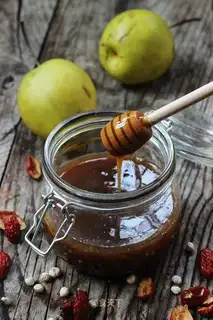
How to eat: Raw, to relieve symptoms of dryness, itching, pain, and hoarseness in the throat caused by respiratory infections; Cooked or steamed, such as in rock sugar stewed pear, which has a certain effect on treating lung heat cough and sore throat; Eaten with honey. The world-famous pear paste candy is made by boiling pears with honey, which has a significant therapeutic effect on patients with chronic cough due to lung heat.
Homemade Autumn Pear Paste
For further reading: A Complete Guide to Eating Pears
You may also like:
9 Essential Tips for Autumn Health Preservation!
Six Health-Preserving Teas Recommended for Autumn
Nothing Better for Autumn Health than Eating Grapes
The Ultimate Guide to Health Preservation for Office Workers in Autumn
 Peanut pig hoof
 Homemade avocado
 The raisin soup
 Farmer