Today is the Start of Winter, marking the beginning of the winter season. Winter is relatively cold and dry, so we need to eat more vegetables to replenish our bodies with moisture. So, what vegetables are good to eat in the winter? Let's find out!
Vegetables Suitable for Winter
1. Cabbage
Its vitamin C content is 3.5 times that of a tomato, and its calcium content is twice that of a cucumber. Cabbage also contains a higher amount of trace elements molybdenum and manganese, which are essential raw materials for the human body to produce enzymes, hormones, and other active substances. It can promote the body's metabolism and is very beneficial for children's growth and development. Its high vitamin C content can enhance the body's anti-cancer capabilities.
2. Bok Choy
In Traditional Chinese Medicine, bok choy is believed to nourish the stomach and balance the middle jiao. It has a slightly bitter and cool taste and helps to clear the stomach. Bok choy is rich in vitamin C and calcium, and also contains iron, phosphorus, carotene, and B vitamins. There is also cabbage, which is also known as headed cabbage. It has a bitter and mild nature, benefits the heart and kidneys, strengthens the spleen and stomach, and has pain-relieving and healing-promoting effects on stomach and duodenal ulcers.
Oyster Sauce Cabbage
Extended Reading: A Complete Guide to Eating Cabbage
3. Lettuce
Lettuce has tender flesh and is suitable for both raw and stir-fried consumption. Regular consumption of lettuce can enhance the secretion of gastric and digestive juices and promote bile secretion. The potassium content in lettuce is 27 times that of sodium, and the vitamins it contains help promote urination, maintain water balance, and are very beneficial for patients with hypertension and heart disease. Lettuce has a high iodine content, which has a beneficial effect on the body's basal metabolism and physical development. The nutritional value of lettuce leaves is far higher than that of lettuce stems. The fluorine in lettuce can participate in the formation of tooth enamel and dentin and in bone growth. In addition, for people with coughs in autumn and winter, eating more lettuce leaves can also help alleviate coughing.
Garlic Stir-fried Lettuce
Extended Reading: A Complete Guide to Eating Lettuce
4. Celery
In Traditional Chinese Medicine, celery is considered cool in nature, beneficial for calming the liver and strengthening the stomach. It has a sweet and pungent taste and is non-toxic. It is rich in protein, carbohydrates, carotene, vitamin C, amino acids, etc. It can excite the central nervous system, promote gastric juice secretion, increase appetite, and has an expectorant effect. Celery can be stir-fried with dried bean curd and shredded meat, making it colorful and fragrant.
Garlic Stir-fried Lettuce
Extended Reading: A Complete Guide to Eating Lettuce
5. Sweet Potato
It is a relatively nutritious food among grains. Because sweet potatoes can supply the body with a large amount of mucoprotein, sugar, vitamin A, and vitamin C, it has the effects of tonifying deficiency and fatigue, replenishing qi, strengthening the spleen and stomach, nourishing the kidneys, harmonizing the stomach, warming the stomach, and benefiting the lungs. Therefore, regular consumption of sweet potatoes can prevent the atrophy of connective tissue in the liver and kidneys and prevent the occurrence of collagen diseases.
6. Radish
Radish contains a lot of water, vitamin C, a certain amount of calcium, phosphorus, carbohydrates, and a small amount of protein, iron, and other vitamins. It also contains beneficial components such as lignin, choline, oxidase, amylase, and mustard oil. According to Traditional Chinese Medicine, radish has a cool nature and a sweet, pungent taste, and acts on the lung and stomach meridians. It can eliminate food stagnation, resolve phlegm-heat, promote qi flow in the middle jiao, and detoxify. It is used for symptoms such as food stagnation and bloating, and difficult urination. It can be seen that radish plays a significant role in regulating the spleen and stomach, which is why there is a saying "autumn radish is better than ginseng." It also has a辅助 therapeutic effect on common autumn and winter ailments such as indigestion, wind-heat type colds, tonsillitis, cough with excessive phlegm, and sore throat.
Milky Sweet Potato Chips
Extended Reading: A Complete Guide to Eating Sweet Potatoes
7. Bean Sprouts
Soybeans and mung beans contain large amounts of protein, fat, and carbohydrates, as well as essential dietary trace elements such as sodium, phosphorus, iron, and calcium. After beans sprout, they not only retain their original substances but also increase their vitamin content, which helps eliminate fatigue. The chlorophyll in bean sprouts can prevent rectal cancer.
8. Cauliflower
It is rich in vitamins. Every 200 grams of fresh cauliflower can provide adults with more than 75% of their daily vitamin A requirement. Its vitamin C content is even more outstanding, reaching 80 milligrams per 100 grams, which is 3-4 times higher than common Chinese cabbage and mung bean sprouts, and twice that of oranges.
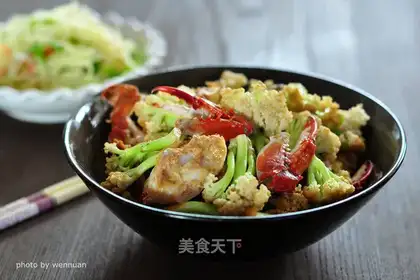
Stir-fried Cauliflower with Swimming Crab
Extended Reading: A Complete Guide to Eating Cauliflower
9. Taro
Taro is rich in starch and nutritious. Every 100 grams of fresh taro contains 91 calories, 2.4 grams of protein, 0.2 grams of fat, 20.5 grams of carbohydrates, 14 milligrams of calcium, 43 milligrams of phosphorus, 0.5 milligrams of iron, 10 milligrams of vitamin C, 0.09 milligrams of vitamin B1, and 0.04 milligrams of vitamin B2. It also contains mannose, has a soft and smooth texture that is easy to digest, and has a stomach-strengthening effect. It is very suitable for people with weak spleen and stomach, intestinal diseases, tuberculosis, and those in the recovery period. It is an excellent food for infants and the elderly.
10. Carrot
In Traditional Chinese Medicine, carrots are rich in vitamins and have a sweet and mild taste, which is beneficial for tonifying the spleen and strengthening the stomach. At the end of autumn, carrots are best eaten stewed, and stir-frying is also a good method. Stewing can preserve over 93% of the carotene, while stir-frying can also preserve over 80% of the carotene.
Taro Shredded Cake
Extended Reading: A Complete Guide to Eating Taro
You may also like:
Skin dry? Eat these 6 foods to hydrate and care for your skin
How to hydrate your baby? Pediatrician's hydration tips
Don't be a "dry girl"! It's time to hydrate your eyes
Feeling dry in winter? 10 recommended hydrating essentials
 Tacos
Tacos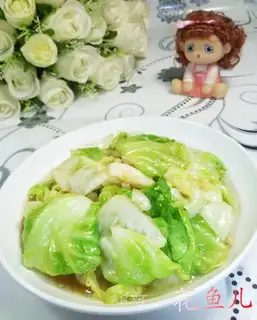 Pegasus
 Cream chips
 Peaches
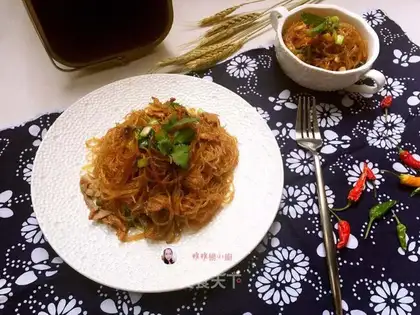 Ants on the tree