Winter is a high-incidence season for cardiovascular diseases, and arteriosclerosis has become a potential killer for humanity, not only affecting the elderly but also becoming increasingly prevalent among younger people. It is crucial to protect your blood vessels, and regularly cleaning them is the best form of protection. To unclog and soften your blood vessels, you can add the following foods to your diet.
1. Tomatoes
Tomatoes not only contain 24 times more vitamins than apples and pears, but they also contain rutin, which can enhance the body's oxidative capacity, eliminate free radicals and other internal waste, protect vascular elasticity, and prevent thrombosis.
2. Onions
Onions contain prostaglandin A, a substance that can dilate blood vessels. It can relax blood vessels, reduce blood viscosity, decrease vascular pressure. At the same time, onions also contain diallyl disulfide and sulfur-containing amino acids, which can enhance the activity of fibrinolysis, and have the functions of lowering blood lipids and preventing arteriosclerosis.
Onion, Ham, Egg, and Cornbread
Extended Reading: A Complete Guide to Eating Onions
3. Eggplants
Eggplants protect the cardiovascular system and lower blood pressure. They are rich in vitamin P, a flavonoid compound that can soften blood vessels, enhance their elasticity, reduce capillary permeability, prevent capillary rupture, and play a certain role in preventing small vessel bleeding.
Mixed Almonds and Eggplants
Extended Reading: A Complete Guide to Eating Eggplants
4. Black Fungus
Black fungus contains a large amount of gelatinous active substances that can significantly shorten clotting time, acting to unclog blood vessels and prevent thrombosis. Its effect is comparable to that of enteric-coated aspirin, so it is known as "food aspirin." Domestic surveys have shown that people with hypertension and hyperlipidemia who consume 3 grams of dried black fungus daily in their dishes can reduce their risk of stroke and myocardial infarction by one-third.
Mixed Almonds and Eggplants
Extended Reading: A Complete Guide to Eating Eggplants
5. Peanuts
Peanuts are rich in plant sterols, a type of steroid compound commonly found in nuts, which can compete with cholesterol, thereby inhibiting the human body's absorption of cholesterol and lowering blood cholesterol levels. In addition, peanuts are also rich in nutrients such as unsaturated fatty acids, choline, and lecithin, which can help the body break down cholesterol into bile acids and excrete them.
6. Kelp
Kelp foods are rich in fucoidan and kelp polysaccharides. These substances have heparin-like activity, which can prevent thrombosis, lower cholesterol and lipoproteins, and inhibit atherosclerosis.
Kelp and Radish
Extended Reading: A Complete Guide to Eating Kelp
7. Mung Beans
Mung beans have the effect of lowering blood lipids, protecting the heart, and preventing coronary heart disease. Animal experiments have shown that mung beans can effectively lower serum cholesterol, triglycerides, and low-density lipoprotein, and significantly alleviate atherosclerotic lesions of the coronary artery. Clinical practice has also proven that hyperlipidemia patients who consume an appropriate amount of mung beans daily have a significant cholesterol-lowering effect.
Kelp and Radish
Extended Reading: A Complete Guide to Eating Kelp
8. Cucumbers
Cucumbers have always been the first choice for lowering blood pressure and lipids. They contain fine fibers that can promote the excretion of intestinal putrefactive substances and lower cholesterol. At the same time, cucumbers contain a relatively high amount of malic acid, which has a significant effect on lowering blood lipids.
9. Corn
Corn can help with weight loss and is delicious. It is a type of coarse grain and can help the body's normal cholesterol metabolism, reduce cholesterol deposition in blood vessels, and thus soften arterial blood vessels.
10. Hawthorn
Hawthorn contains triterpenes, bioflavonoids, and abundant vitamin C, which can expand blood vessel walls, lower cholesterol and triglycerides, and reduce blood pressure. In addition, it also contains hawthorn acid and citric acid, both of which have significant effects on lowering blood lipids. However, some elderly people may experience acid reflux and other stomach discomforts after eating hawthorn and should use it with caution. Hawthorn has the highest calcium content and is beneficial for calcium supplementation for middle-aged and elderly people.
Colorful Pearl
Extended Reading: A Complete Guide to Eating Corn
You may also like:
8 Foods to Clean Your Blood Vessels and Make Them Young Again!
Little Tips: 4 Foods to Clean Blood Vessel Waste
One spoonful a day to easily lower blood pressure and soften blood vessels
The key to good blood vessels: the endothelium must be smooth
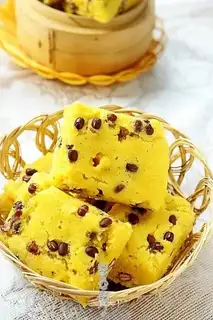 Corn pasta
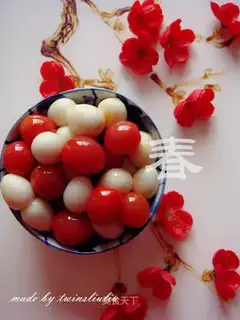 The Holy Virgin
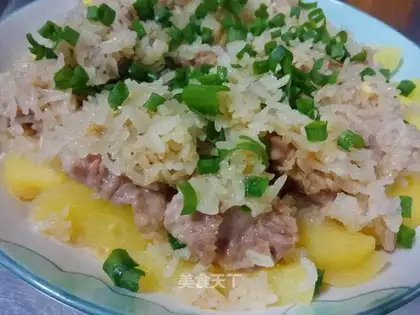 Pyramid evaporation ribs
 Porridge