Winter vegetables used to be scarce, but now you can find any vegetable you want in the supermarket. Eating vegetables regularly can supplement your body with nutrients like vitamins, boosting your immunity. So, what vegetables are suitable for winter health preservation? Let's find out together!
Vegetables Suitable for Winter Health Preservation
1. Bok Choy
In Traditional Chinese Medicine, bok choy is believed to nourish the stomach and harmonize the middle jiao. It has a slightly bitter and cool taste, promoting smoothness and benefitting the stomach. Bok choy is rich in vitamin C and calcium, and also contains iron, phosphorus, carotene, and B vitamins. There's also cabbage, which has a flat and slightly bitter taste. It can benefit the heart and kidneys, strengthen the spleen and stomach, and has analgesic and wound-healing effects on stomach and duodenal ulcers.
2. Shiitake Mushroom
Shiitake mushroom, also known as winter mushroom, is a commonly eaten fungus in winter. Shiitake mushrooms are low in calories and high in protein and vitamin content, providing the body with various vitamins needed. They also promote the absorption of calcium in the body. Regular consumption of shiitake mushrooms is also good for enhancing immunity and preventing colds.
Stir-fried Shiitake Mushrooms with Fish Intestines
Further Reading: A Complete Guide to Eating Shiitake Mushrooms
3. Sweet Potato
Sweet potatoes are a highly nutritious food among grains. Because sweet potatoes can supply the body with a large amount of mucoprotein, sugar, vitamin A, and vitamin C, they have the effects of tonifying deficiency and fatigue, replenishing vital energy, strengthening the spleen and stomach, reinforcing the kidneys, harmonizing the stomach, warming the stomach, and benefiting the lungs. Therefore, eating sweet potatoes regularly can prevent the atrophy of connective tissue in the liver and kidneys and prevent the occurrence of collagen diseases.
4. Lettuce
Lettuce has a tender and crisp texture, suitable for both raw and stir-fried consumption. Eating lettuce regularly can enhance the secretion of gastric and digestive juices and promote bile secretion. The potassium content in lettuce is 27 times that of sodium, and the vitamins it contains help promote urination, maintain water balance, and are very beneficial for patients with hypertension and heart disease. Lettuce is high in iodine, which has a favorable effect on the body's basal metabolism and physical development. The nutritional value of lettuce leaves is far higher than that of lettuce stems. The fluorine element in lettuce can participate in the formation of tooth enamel and dentin and participate in bone growth. In addition, people with a cough can eat more lettuce leaves to soothe their cough.
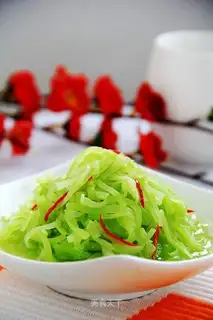
Lettuce with Scallion Oil
Further Reading: A Complete Guide to Eating Lettuce
5. Cabbage
The vitamin C content in cabbage is 3.5 times that of tomatoes, and its calcium content is 2 times that of cucumbers. Cabbage also contains more trace elements such as molybdenum and manganese, which are essential raw materials for the body to make enzymes, hormones, and other active substances. It can promote the body's material metabolism and is very beneficial for children's growth and development. Its large amount of vitamin C can enhance the body's anti-cancer ability.
6. Corn
In winter, big fish and meat have become the staple food for many people's tables, which also lays hidden dangers for cardiovascular health. At this time, you should eat more corn. Because corn is rich in linoleic acid, it has the effects of lowering blood lipids, softening blood vessels, lowering blood pressure, and promoting microcirculation, and has the effect of preventing and treating atherosclerosis and cardiovascular diseases.
Pumpkin and Corn Paste
Further Reading: A Complete Guide to Eating Corn
7. Radish
Radish contains more water, vitamin C, a certain amount of calcium, phosphorus, carbohydrates, and a small amount of protein, iron, and other vitamins. It also contains beneficial components such as lignin, choline, oxidase, amylase, and mustard oil. Traditional Chinese Medicine believes that radish has a cool nature, a sweet and slightly pungent taste, and enters the lung and stomach meridians. It can eliminate food stagnation, resolve phlegm-heat, promote qi circulation in the middle jiao, and detoxify. It is used for symptoms such as food stagnation and bloating, and dysuria. It can be seen that radish has a significant effect on regulating the spleen and stomach, so it also has an auxiliary therapeutic effect on common diseases such as indigestion, wind-heat type colds, tonsillitis, cough with much phlegm, and sore throat.
8. Carrot
In Traditional Chinese Medicine, carrots are rich in vitamins, have a sweet and flat taste, and are good for strengthening the spleen and stomach when eaten. Carrots are best eaten stewed, and stir-frying is also good. Stewing can retain more than 93% of the carotene, and stir-frying can also retain more than 80% of the carotene.
Sweet and Sour Crispy Radish
Further Reading: A Complete Guide to Eating White Radish
9. Lotus Root
The weather is dry in winter, and eating some lotus root can play a role in nourishing yin and clearing heat, moisturizing dryness and quenching thirst, and calming the mind. At the same time, lotus root is warm in nature and has the function of constricting blood vessels. Eating more can nourish the lungs and replenish blood. Lotus root has undoubtedly become the "star vegetable" of the season. In addition to containing a large amount of carbohydrates, fresh lotus root is also rich in protein, various vitamins and minerals, and is rich in dietary fiber, which is very beneficial for treating constipation and promoting the excretion of harmful substances.
10. Celery
In Traditional Chinese Medicine, celery is considered to have a cool nature, pacify the liver and strengthen the stomach, and has a sweet, pungent, and non-toxic taste. It is rich in protein, carbohydrates, carotene, vitamin C, amino acids, etc. It can excite the central nervous system, promote gastric juice secretion, increase appetite, and has the effect of eliminating phlegm. Celery can be stir-fried with dried tofu, shredded pork, etc., with bright colors and a fresh and delicious taste.
Double-cooked Lotus Root Slices
Further Reading: A Complete Guide to Eating Lotus Root
You may also like:
Winter Health Preservation: 4 Treasures You Can't Do Without
4 Principles to Follow for Winter Health Preservation
Men Need Health Preservation Too: Here's How to Eat for Anti-aging
Women's Winter Health Preservation: Remember to Nourish the Blood
 Onions
 Tomato bacon pasta
 A silk apple
 Homemade meat
 Pumpkin porridge