Wood ear fungus belongs to the fungi family. The wood ear fungus we usually eat is the dried kind that has been soaked and rehydrated, because fresh wood ear fungus is toxic. Eating wood ear fungus in moderation is very beneficial for gastrointestinal health. In addition, wood ear fungus has many other nutritional values, let's take a look.
I. Nutritional Value of Wood Ear Fungus
1. The gelatin in wood ear fungus can absorb and concentrate dust and impurities left in the human digestive system and excrete them from the body, thus playing a role in cleansing the stomach and intestines;
2. The iron content in wood ear fungus is extremely rich, so eating it often can nourish the blood and preserve youth, making the skin ruddy and radiant, and can also prevent and treat iron-deficiency anemia;
3. It also helps to digest fibrous substances and has a dissolving and melting effect on accidentally ingested indigestible foreign objects such as hair, husks, wood chips, sand, and metal shavings. Therefore, it is an indispensable health food for miners, chemical workers, and textile workers;
4. Wood ear fungus contains vitamin K, which can reduce blood clots and prevent thrombosis, and has the effect of preventing and treating atherosclerosis and coronary heart disease;
5. It also has a significant effect on dissolving endogenous foreign objects such as gallstones and kidney stones;
6. Wood ear fungus contains anti-tumor active substances, which can enhance the body's immunity, and regular consumption can prevent and fight cancer.
II. Suitable People for Eating Wood Ear Fungus
It is suitable for people with cardiovascular and cerebrovascular diseases and calculi, especially for those with iron deficiency, miners, metallurgical workers, textile workers, and barbers; people with bleeding diseases and diarrhea should not eat or eat less; pregnant women should not eat too much.
Wood ear fungus should not be eaten with river snails. In terms of food properties, the cold river snail, when encountering the slippery wood ear fungus, is not conducive to digestion, so the two should not be eaten together. For people with hemorrhoids, wood ear fungus should not be eaten with pheasants. Pheasants are slightly toxic, and eating them together can easily induce hemorrhoid bleeding. Wood ear fungus should not be eaten with wild ducks. Wild ducks are sweet in taste and cool in nature, and can easily cause indigestion.
Broccoli with Wood Ear Fungus
Extended Reading: A Complete Guide to Eating Wood Ear Fungus
III. Taboos of Eating Wood Ear Fungus
1. Patients with hemorrhagic stroke should be cautious when eating
Black fungus is known as "aspirin in food". Eating black fungus often can inhibit platelet aggregation and reduce the cholesterol content in the blood, which is very beneficial for preventing and treating coronary heart disease, arteriosclerosis, and cardiovascular and cerebrovascular diseases. Although black fungus has many benefits, patients with hemorrhagic stroke should be cautious due to their poor blood clotting function.
2. Black fungus must be cooked before eating
There is a substance in black fungus called polysaccharide, which is called black fungus polysaccharide. It has strong anticoagulant, anti-platelet aggregation and anti-thrombotic effects. It should be noted that only after high-temperature cooking can the solubility of dietary fiber and black fungus polysaccharide be improved, which is conducive to absorption and utilization. Therefore, black fungus must be cooked and should not be eaten directly after soaking.
3. People with abnormal blood lipids should pay attention to the amount of consumption
For people with abnormal blood lipids, eating black fungus can have a therapeutic effect, but it can only be used as an auxiliary method besides drug treatment, and it is advisable to eat 2-3 times a week.
4. Foods that should not be eaten with black fungus must not be eaten together
It has anticoagulant effects, so people with bleeding diseases should not eat it. Pregnant women should not eat too much. Wood ear fungus should not be eaten with river snails. In terms of food properties, the cold river snail, when encountering the slippery wood ear fungus, is not conducive to digestion, so the two should not be eaten together. For people with hemorrhoids, wood ear fungus should not be eaten with pheasants. Pheasants are slightly toxic, and eating them together can easily induce hemorrhoid bleeding. Wood ear fungus should not be eaten with wild ducks. Wild ducks are sweet in taste and cool in nature, and can easily cause indigestion.
Stir-fried Wood Ear Fungus with Dried Shrimp
You may also like:
Black Fungus - A Great Beauty Product
5 Great Benefits of Eating Wood Ear Fungus in Autumn
Why Eat Black Fungus, The Benefits of Eating Wood Ear Fungus
Black Fungus Stir-fried with a Treasure: A Natural Blood-enriching Remedy
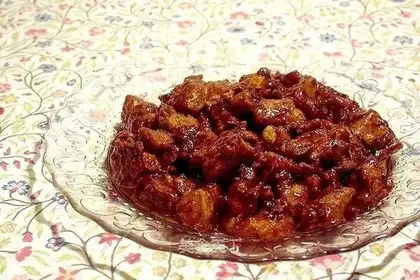 The southern breast ribs
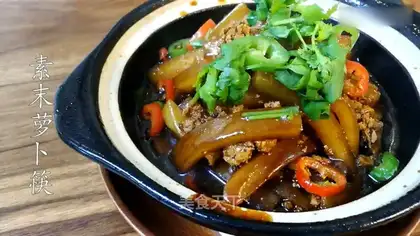 The casserole gravy