Nowadays, eggplants are very common in winter and can be found in supermarkets and wet markets. Eating eggplants in winter can bring health benefits, but the taboos associated with eating them cannot be ignored.
1. Healthy Ways to Eat Eggplant
The main method for cooking eggplants in daily life is stir-frying. Because eggplants absorb a lot of oil, a large amount is needed to make them tasty, but this can lead to excessive oil intake in the body, so this method is not advisable. The best way to eat eggplant is to first dice it, then add an appropriate amount of oil—not too much. Stir-fry the eggplant, add vinegar, cover and simmer for two minutes. After the eggplant softens, add seasonings to taste. This method not only uses less oil but is also delicious and appealing.
2. Benefits of Eating Eggplant in Winter
① Anti-aging
Eggplant contains vitamin E, which has the function of preventing bleeding and anti-aging. Regular consumption of eggplant can prevent cholesterol levels in the blood from rising, which has a positive significance for delaying human aging. Soap, as long as you gently rub it with your hands, rinse with clean water, and let it dry in a cool, ventilated place.
② Clearing Heat and Detoxifying
Used for toxic sores, skin ulcers, canker sores, hemorrhoids with bleeding, bloody stools, epistaxis, etc.
According to traditional Chinese medicine, eggplant is considered a food of cold nature. Therefore, eating it in summer helps to clear heat and relieve summer heat, and is especially suitable for people who are prone to heat rash and sores. People with indigestion or a tendency to diarrhea should not eat too much. As Li Shizhen said in "Compendium of Materia Medica": "Eggplant is cold and purgative; eating too much will inevitably cause abdominal pain and diarrhea." "Dian Nan Ben Cao" records that eggplant can invigorate blood, reduce swelling, and relax the bowels. Therefore, for people with constipation, hemorrhoidal bleeding, and damp-heat jaundice, eating more eggplant can also be helpful. You can choose purple eggplant to cook congee with rice. "Compendium of Materia Medica" introduces roasting eggplant with its stalk until dry, grinding it into a fine powder, and taking it with wine to treat intestinal wind and bleeding; "Dian Nan Ben Cao" suggests using rice water to take it, which is more appropriate because intestinal wind and bleeding and hemorrhoidal bleeding should not be treated with wine. Roasted eggplant with its stalk, ground into a fine powder, is also often used externally.
Shandong-style Braised Eggplant
③ Treating Chilblains
Take two or three eggplant seedlings from the field in winter (with roots), decoct them in water. After the water boils, simmer for another 20 minutes. Use this water to soak and wash the chilblain-affected area, and also scrub the area with the eggplant seedlings. It can be cured in two to three applications.
④ Lowering Blood Pressure
Eggplant has the good effect of lowering high blood lipids and high blood pressure. The specific method is as follows: choose dark, long-shaped eggplants, cut them into sections or shreds, and mix them with sesame sauce and soy sauce. Taking it at dinner can effectively lower and self-heal.
⑤ Preventing and Treating Stomach Cancer
Eggplant contains solanine, which can inhibit the proliferation of tumors in the digestive system and has a certain effect on preventing and treating stomach cancer. In addition, eggplant also has the effect of clearing cancer-related fever.
⑥ Protecting Cardiovascular Health and Ascorbic Acid
Eggplant is rich in vitamin P, a substance that enhances the adhesion between human cells, increases the elasticity of capillaries, and reduces their fragility and permeability, preventing microvascular rupture and bleeding, and keeping the cardiovascular system functioning normally. In addition, eggplant also has the effect of preventing and treating scurvy and promoting wound healing.
3. Precautions for Eating Eggplant
Although there are many benefits to eating eggplant, the precautions cannot be ignored. Eggplant should not be eaten raw, as it contains solanine, which can be eliminated by heating, but eating it raw can cause poisoning. Old eggplants after autumn contain more solanine, and even after cooking, a small amount may remain, so it is not advisable to eat too much. Eggplant is cold in nature, so people with a weak constitution or suffering from cold-related diseases should eat it in moderation.
Hand-torn Eggplant with Garlic Sauce
You may also like:
Don't throw away the eggplant stalks anymore! Boiling water can treat coughs!
Clearing Heat, Detoxifying, and Lowering Blood Pressure: Eating Eggplant in Summer Can Treat 7 Diseases
Eating Eggplant This Way Can Easily Lead to Poisoning—Be Careful!
Eating Raw Eggplant for Weight Loss Is Wrong; How to Eat Eggplant Healthily
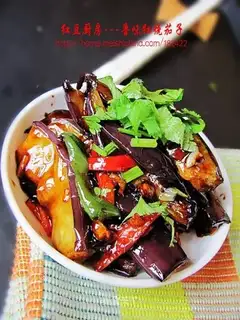 Lu Flavor Braised Eggplant
 The durian cake