Introduction: Winter diet is influenced by physiological functions and appetite, which can change. Therefore, adjusting the diet reasonably to ensure the body's required nutrition is essential for improving the body's cold resistance and immunity.
Winter diet has many considerations, but the general principle is to use diet for insulation, cold prevention, and moisture retention. It is advisable to supplement more heat-producing foods. The body needs a large amount of heat to resist cold in winter. To adapt to this characteristic, the diet should include more high-calorie nutrients, such as carbohydrates, fats, and proteins, to enhance the body's tolerance to low temperatures. In particular, it is recommended to consume more protein-rich foods, such as lean meat, poultry, eggs, fish, milk, and soy products, which have high protein content.
Boiled Fish
It is advisable to supplement foods containing methionine. Methionine can provide a series of methyl groups necessary for cold resistance through its transfer action, which is very beneficial for the body to keep warm in winter. These mainly include sesame seeds, sunflower seeds, yeast, dairy products, and leafy vegetables.
It is advisable to appropriately supplement some inorganic salts. Experts recommend consuming more root and stem vegetables in winter, such as carrots, lilies, sweet potatoes, lotus roots, and green vegetables like cabbage, because these parts contain more inorganic salts.
Onion, Carrot, and Egg
The amount of calcium in the body can directly affect the contractility and excitability of the myocardium and vascular smooth muscles. Supplementing more calcium can improve the body's cold resistance. Foods like shrimp skin, oysters, peanuts, clams, and milk are rich in calcium.
It is advisable to eat more foods rich in Vitamin B2, Vitamin A, and Vitamin C. In the cold winter, the body's oxidative function strengthens, and vitamin metabolism also changes significantly, making symptoms like dry skin, chapping, angular cheilitis, and cheilitis more likely. Vitamin B2 is mainly found in animal liver, eggs, milk, and beans; foods rich in Vitamin A include animal liver, carrots, pumpkins, and sweet potatoes; Vitamin C is mainly found in fresh vegetables and fruits.
Glutinous Rice Pumpkin Cake
It is advisable to appropriately supplement foods containing iron. In winter, due to the cold weather and withered nature, people often feel lazy and lethargic. Pork liver and lean meat are the best sources of iron. Regularly eating some red beans, black beans, and soybeans can also help supplement iron.
In addition, winter health preservation should also follow the "three taboos". Avoid raw and cold foods. In winter's cold climate, raw and cold foods are difficult to digest and can damage the spleen and stomach. Avoid bitter and cold foods. Bitter foods can purge and easily damage yang energy, disrupt the body's stored energy, and harm the spleen and stomach. Extremely cold foods can also easily cause diarrhea. However, it is also not advisable to eat excessively hot foods, as they can easily generate internal heat, damage stomach yin, and also harm the spleen and stomach. Avoid drinking strong liquor. Many people have the habit of drinking alcohol to drive away cold in winter, but in winter, one should only drink low-alcohol beverages in moderation, with wine being the best choice.
Honey Red Beans
 Scrambled eggs with onions and carrots
 Glutinous rice pumpkin cake
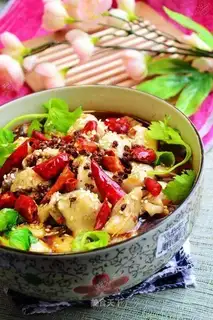 boiled fish
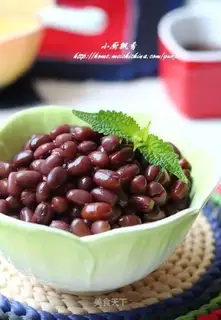 Honey Bean