Introduction: In winter, the dryness of the north envelops everyone. During this time, you might experience skin itching, dryness around the mouth and eyes, and even symptoms like chapped skin. In this dry and cold season, staying hydrated is particularly important to alleviate these discomforts!
The selection of winter foods is not as abundant as in other seasons. Today, we'll select a few hydrating options from the limited choices and recommend them to you.
Sour and Shredded Radish
Radish
As the saying goes, "eat radishes in winter and ginger in summer." Radishes have a water content of up to 93.4%, making them an excellent choice for hydration in the winter. Additionally, radishes are known for their qi-boosting properties. Radishes can be prepared in many ways, such as stir-frying or stewing in soups. Moreover, radishes are rich in minerals, which can enhance the body's immunity and prevent colds.
Three-Fresh Radish Rolls
Chinese Cabbage
There's always a reason for seasonal vegetables to exist. With the limited variety of fruits and vegetables in winter, nature has "blessed" us with Chinese cabbage to ensure our intake of Vitamin C. The Vitamin C content in Chinese cabbage is as high as 30mg-40mg/100g, which is considered high among similar vegetables. Vitamin C has beauty and skin care benefits, and combined with its high water content, Chinese cabbage is a must-have vegetable for winter. A friendly reminder: when cooking cabbage, opt for a vinegar-based stir-fry, as Vitamin C is better preserved in an acidic environment.
Chinese Cabbage and Tofu Stew
Mung Bean Sprouts
We tend to eat rich and heavy foods in winter, and mung bean sprouts can help reduce internal heat and cut through the grease. At the same time, the dietary fiber in mung bean sprouts can improve gastrointestinal function. Of course, mung beans themselves don't contain Vitamin C, but they do after sprouting. Additionally, bean sprouts have a high water content and can help with hydration.
These are the 3 hydrating vegetables we recommend for winter. In addition to eating more hydrating vegetables, it's also essential to drink plenty of water—at least 1200ml per day is necessary!
Stir-Fried Mung Bean Sprouts with Chives
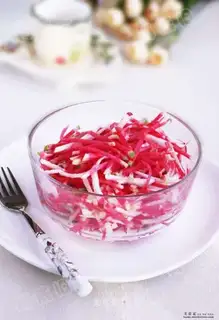 Sweet and sour shredded radish
 Stewed tofu with Chinese cabbage
 Three fresh radish roll
 Green bean sprouts