Introduction: When a delicious dish is served, the presence of seasonings is subtle, yet the flavor they impart is what makes it delicious. Nowadays, everyone advocates for a light diet, thinking that using less seasoning is healthier. This is generally a good thing, but sometimes it can be overdone; not using any seasonings at all is not ideal. Many seasonings are beneficial to health, and adding them to dishes in moderation not only enhances the flavor but is also good for your well-being.
1. Ginger
Ginger is an aromatic, spicy stomachic that has warming, stimulating, sweat-inducing, antiemetic, detoxifying, and warming-lung cough-suppressing effects. It is particularly effective for detoxifying fish and crab poisoning, as well as poisoning from herbs like Banxia and Tiannanxing. It is suitable for external contraction of cold wind, headaches, phlegm-fluid retention, coughs, and vomiting due to stomach cold. After being exposed to ice, water, or cold, drinking ginger soup can promote blood circulation and dispel cold pathogens.
Ginger and Sweet Potato Soup
2. Garlic
Research shows that garlic has the effects of detoxifying and reducing swelling, killing parasites, and stopping dysentery. It is often used for carbuncles, sores, scabies, ringworm, pulmonary tuberculosis, whooping cough, diarrhea, and dysentery. Garlic can reduce cholesterol levels in the blood, lowering the risk of heart disease, preventing arterial blockage, and treating hypotension. Garlic also has antibacterial properties and is often used to treat minor infections.
3. Sichuan Pepper
Sichuan pepper is the pericarp of the Zanthoxylum bungeanum plant, with a rich aroma, and is an essential seasoning in every household. It has the effect of numbing taste, enhancing fragrance and spiciness, and removing fishy and gamey smells. It ranks first among the "Thirteen Spices" and is known as the "King of Seasonings."
Sichuan pepper is also a traditional Chinese medicine. The "Shennong Ben Cao Jing" (The Divine Farmer's Materia Medica Classic) classifies it as a medium-grade herb. Its medicinal nature is pungent and hot, affecting the spleen, stomach, and kidney meridians. It has the effects of aromatic spleen-strengthening, warming the middle jiao to dispel cold, eliminating dampness and relieving pain, killing parasites and detoxifying, and stopping itching. Li Shizhen wrote in the "Bencao Gangmu" (Compendium of Materia Medica): "Sichuan pepper strengthens teeth, darkens hair, improves vision, and with long-term use, improves complexion, delays aging, increases longevity, and invigorates the spirit." Modern medical research has proven that Sichuan pepper contains volatile oils, alkaloids, coumarins, and organic acids, and has pharmacological activities such as local anesthesia, analgesia, anti-inflammatory, antibacterial, antioxidant, anti-tumor, and insecticidal effects.
Sichuan Pepper and Pickled Radish
4. Star Anise
Star anise is an indispensable seasoning for cold dishes and braised or stewed dishes, with effects that other spices cannot match. It is also a main ingredient in making five-spice powder. The fruit and seeds can be used as seasonings and are also used as medicine in Traditional Chinese Medicine. This medical theory holds that its strong aroma has effects such as expelling parasites, warming the middle jiao to regulate qi, strengthening the stomach to stop vomiting, dispelling cold, and stimulating the nerves.
5. Pepper
Pepper is the most common seasoning, often seen on the dining table next to salt. Pepper can even be used as a substitute for salt. Pepper is especially suitable for obese people because it aids metabolism and has carminative effects. It stimulates the production of saliva, gastric juice, and pancreatic juice, helping to digest high-fat foods.
Pepper and Pork Stomach Soup
6. Mustard
Mustard is pungent, hot, and non-toxic. It has the effects of warming the middle jiao to dispel cold, promoting the flow of the five organs, benefiting the diaphragm and stimulating the appetite, and can benefit the nine orifices and strengthen the stomach. The pungent and spicy flavor of mustard can stimulate the secretion of saliva and gastric juice, whetting the appetite and enhancing people's desire to eat. It also has a detoxifying function, neutralizing the toxins from fish and crab, which is why it is often served with raw foods like salmon.
7. Vinegar
Vinegar contains 0.4% to 0.6% acetic acid, which can inhibit the growth and reproduction of many bacteria to a certain extent. Therefore, when local bacterial and viral diseases are prevalent, people can add an appropriate amount of vinegar when stir-frying or making cold salads. This can both whet the appetite and inhibit bacteria, achieving "two birds with one stone."
Mustard, Vermicelli, and Daylily Lily
8. Chili Pepper
The active ingredient in chili peppers, capsaicin, is an antioxidant that can halt the metabolic process of related cells, thereby terminating the carcinogenic process of cell tissue and reducing the incidence of cancer cells. Its spicy flavor stimulates the secretion of saliva and gastric juice, increases appetite, promotes intestinal peristalsis, and aids digestion.
9. Dried Tangerine Peel
Dried tangerine peel has a fragrant aroma and a pungent, slightly bitter taste. It has the effects of regulating qi to counteract rebellious qi, harmonizing the middle jiao to stimulate the appetite, and drying dampness to resolve phlegm. It is mainly indicated for spleen and stomach qi stagnation with dampness obstruction, fullness and oppression in the chest and diaphragm, abdominal distension and pain, loss of appetite, vomiting, difficult urination and bowel movements, lung qi stagnation, and excessive phlegm and cough. It is also used for the initial stage of acute mastitis.
Autumn Pear and Dried Tangerine Peel Soup
10. Cilantro
In Traditional Chinese Medicine, cilantro is considered to have a pungent and warm nature, affecting the lung and spleen meridians. It has the effects of inducing sweat to bring out rashes, promoting digestion, and guiding qi downward. It is suitable for colds, measles or rubella with poor eruption, food stagnation, and indigestion. In addition, the aroma of cilantro comes from volatile oils composed of alcohols and alkenes, as well as potassium malate. After consumption, it can increase gastric secretion, enhance appetite, regulate gastrointestinal motility, and improve digestion.
Cilantro and Fish Ball Soup
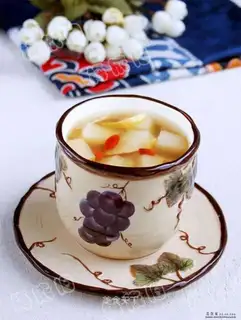 Autumn pear and tangerine peel soup
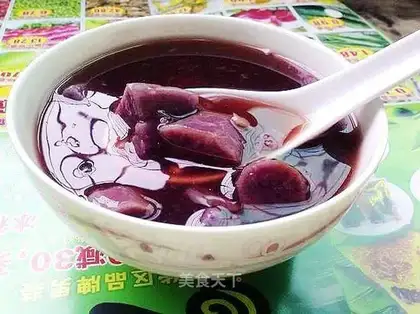 Ginger and sweet potato syrup
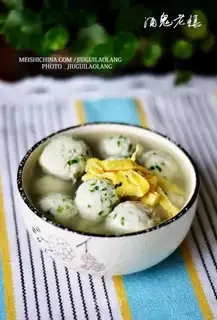 Coriander fish ball soup
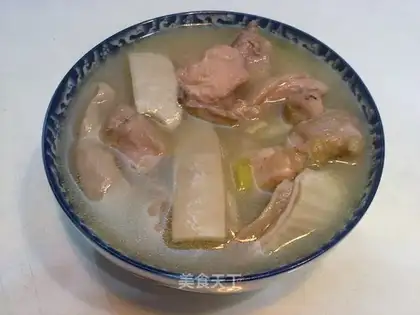 Pepper pig belly chicken
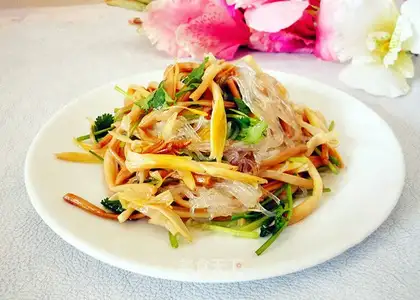 Mustard fan yellow cabbage
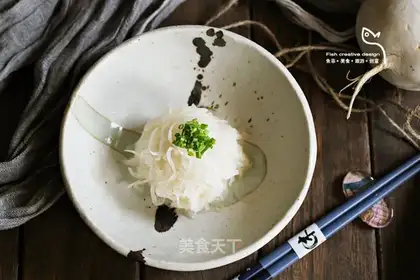 The peppers and radish