Introduction: Stop beating yourself up over that bag of chips from last night or that bottle of soda at noon. As long as you're not living on junk food, they're not as scary as you think, and they even have antidotes! Here are some "detox" tips for dealing with 5 types of common highly processed foods.
"Detox" tips for common junk food:
1. Puffed snacks
The fragrant aroma and crispy texture are the ultimate weapons of puffed snacks; once you start, you just can't stop. The fragrance comes from frying, and the crispy texture comes from deeply industrialized puffing technology, which turns insoluble long-chain starches into soluble short-chain starches—dextrin and sugar. The downside is that they are absorbed too easily. This not only causes a rapid spike in blood sugar but also stimulates insulin secretion, leading the body to synthesize more fat.
Cold-dressed celery with dried bean curd
If you ate a bag of chips today, don't think you can make up for it by just stir-frying some greens for dinner. The oil and seasonings used in stir-frying are very similar to the ingredients in chips. And if you're unfortunate enough to make a sour and spicy shredded potato dish, oh no, you're doomed! Shredded potatoes have a high starch content. Pair it with rice, add the afternoon snack of chips, and your carbohydrate intake will explode. Then, if you eat some meat, your calorie count will go off the charts. You'll just have to cry about it today.
Prescription: Supplement with pure fiber
Fiber can prevent the rapid absorption of short-chain starches, keeping them in the digestive tract longer and increasing satiety. Pure fiber refers to foods where the content of other components besides fiber is very low. For example, you can soak pure oats in low-fat milk. Although the texture might be a bit worse, it's low-fat, high-fiber, and sugar-free, so it won't add extra burden beyond supplementing fiber.
Creamy oatmeal and fruit porridge
2. Fried noodles and fried rice
How much oil is needed for fried noodles and fried rice? Those who cook know best. A large portion of the calories in fried noodles comes from oil; in some, it's even over 60%. Plus, the noodles themselves are refined flour products, so the calorie count is可想而知 (self-evident).
According to a calorie calculation from the Hong Kong Diabetes Specialist Centre, a serving of dry-fried instant noodles is about 1320 kcal, a serving of dry-fried beef chow fun is about 1240 kcal, and a serving of fried rice is about 1140 kcal. Let's say your lunch was a serving of dry-fried beef chow fun. Assuming a daily intake of about 1800 kcal, after a typically substantial breakfast, the remaining calories for dinner are minimal, leaving less than 300 kcal to work with.
Prescription: It's best to eat nothing else
If you ate like that for lunch, then forget about afternoon tea. Besides black coffee and a small amount of fruit, don't eat anything else. And for dinner, you must reduce your fat intake. It's best to have a large amount of raw vegetables paired with lean meat or tofu to balance it out.
Tofu "lion's head" meatballs
3. Candy
The ingredients in candy are nothing more than white sugar, corn syrup, and for milk chocolate, some fats and dairy products. In nutrition, the calories from refined white sugar are called "naked calories," meaning they have no additional nutritional value besides calories. This is because vitamins and minerals are almost completely lost during the refining process. If you ate 3 toffees this morning and another 3 Ferrero Rocher in the afternoon, that's about 500 kcal combined. You would need to swim for at least 40 minutes to barely burn those calories off. And don't forget, your fat intake for the day has already exceeded the recommended daily amount by 50%.
Prescription: Supplement with foods high in satiety
Various vegetables rich in vitamins and minerals are the top choice. They are high in satiety and low in calories, which can neutralize the "naked calories" from candy. You can have lightly sautéed mushrooms with little oil, or low-oil, low-salt cold-dressed salads. Also, don't forget to eat lean, high-protein meats to make up for the lack of protein, such as steamed fish or skinless roasted chicken.
Steamed butterfish
4. Sweetened beverages
Over 90% of sweetened beverages use high-fructose corn syrup (HFCS) as a sweetener, a refined sugar that is even more terrifying than white sugar. Scientists have recently discovered that high intake of HFCS is linked to various modern diseases, including diabetes, metabolic syndrome, hypertension, non-alcoholic fatty liver disease, and cardiovascular disease. This is because the metabolic process of fructose is completely different from glucose, which we use for energy. It goes directly into triglyceride synthesis and is stored in the liver as fat. If you drank a sweetened beverage at noon today, it's equivalent to eating 50 grams of white sugar. You should know that according to WHO recommendations, daily sugar intake should ideally be controlled to under 30 grams. Just from that one bottle, you've already far exceeded the limit.
Prescription: Skip the refined staple foods!
Given that your sugar intake has already far exceeded the limit, don't eat refined staple foods like white rice or steamed buns for dinner. You can substitute them with root vegetables that are high in starch, like Chinese yam or lotus root. Or, simply make yourself a bowl of lightly salted boiled greens and tofu.
Stir-fried Chinese yam slices
 tofu lion head
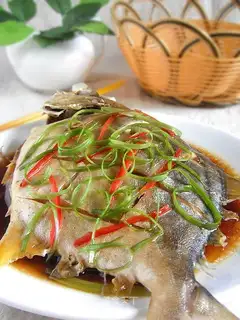 Steamed pomfret
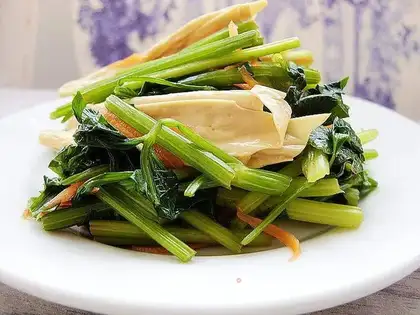 Cold celery and tofu bamboo
 It's a tablet
 Milky oatmeal