Introduction: In the world of the wealthy, when they drink yogurt, they only lick the lid; even when eating vegetables, they eat a part and throw away a part—eating celery without the leaves, peeling apples... Little do they know, the parts being discarded could be a "treasure trove of nutrients." Starting today, let's turn waste into treasure and not let these nutritious and delicious "treasures" slip away quietly!
I. Vegetable Leaves Are a "Treasure Trove of Nutrients"
1. Celery Leaves
● Nutritional Content:
Celery leaves can provide abundant calcium and iron, making them a great food for people with osteoporosis and iron-deficiency anemia. Celery leaves can also supplement vitamins like C and E. When cooking celery, it's recommended not to pick off the leaves; instead, wash and cook the whole stalk.
Garlic-Scented Celery Leaves
2. Radish Leaves
● Nutritional Content:
They are rich in vitamin A, an essential nutrient for both skin and eyes. Furthermore, radish leaves are high in vitamin C, which can not only prevent skin aging and inhibit melanin formation but also prevent vascular aging and arteriosclerosis. The dietary fiber in the leaves promotes intestinal peristalsis and prevents constipation. Additionally, their rich calcium content is also a good source of calcium supplementation.
3. Lettuce Leaves
● Nutritional Content:
People usually eat the stalks of lettuce and discard the leaves. In fact, besides water, the protein, fat, carbohydrates, as well as inorganic salts and trace elements like sodium, calcium, iron, manganese, zinc, copper, and selenium in lettuce leaves are all higher than in the stalks. The content of vitamins B1, B2, C, and E in lettuce leaves is 3-5 times that of the stalks. Moreover, the vitamin B1 and B2 content is higher than that in green beans, radishes, cauliflower, tomatoes, and all types of gourds. The carotene in lettuce leaves is almost 10 times that of the stalk. Additionally, lettuce leaves are rich in chlorophin, earning them the reputation of "green精灵" (green elf), and have the effects of moisturizing the skin, beautifying, cleansing the mouth, preventing cavities, and removing bad breath.
Soy-Sauce and Salt Lettuce Leaves
4. Cabbage Leaves
● Nutritional Content:
Cabbage leaves are nutritious and delicious. They are rich in protein, carbohydrates, fat, vitamins A and C, and minerals like calcium, phosphorus, potassium, and iron. Modern scientific analysis shows that every 100 grams of cabbage leaves contains 140 mg of calcium, 26 mg of phosphorus, 346 mg of potassium, and 1.28 mg of carotene. These nutrients are all essential for human health. The carotene concentration in the outer green leaves of cabbage is more than ten times higher than in the inner white leaves, and the vitamin C content is several times higher as well.
Stir-Fried Cabbage Leaves with Eggs
II. Vegetable Roots Help with Detoxification
1. Cilantro Roots
● Nutritional Content:
Cilantro leaves are generally used as a garnish, and cilantro roots are often thrown away directly. In fact, cilantro roots contain relatively high amounts of vitamins, calcium, and iron, and have a strong aroma. When pickling meat or seafood, adding some chopped cilantro roots can significantly remove fishy odors and other unpleasant smells.
2. Scallion Roots
● Nutritional Content:
Scallion roots contain allicin, which has antioxidant and antibacterial properties. They can also treat bloody stools, are effective in preventing intestinal and respiratory infections, and can help treat colds and relieve muscle pain.
Bacon and Cilantro Rolls
3. Spinach Roots
● Nutritional Content:
Spinach roots contain iron, vitamins A, C, and K. Vitamin K can prevent bleeding in the skin and internal organs. Regularly eating spinach roots can also boost energy, detoxify, and nourish the skin. Because of their high dietary fiber content, spinach roots are not easy to cook thoroughly.
4. Bean Sprout Tips
The most nutritious part of bean sprouts is not the tender white sprout, but the pale yellow tip; the root is the part with the highest fiber content. It's really not worth the time and effort to pinch off the ends.
Stir-Fried Mung Bean Sprouts with Chives
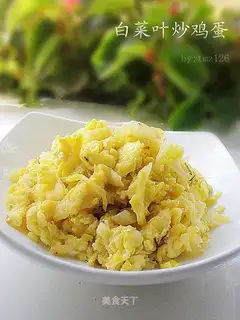 Scrambled eggs with cabbage leaves
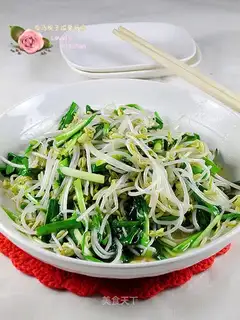 Green bean sprouts
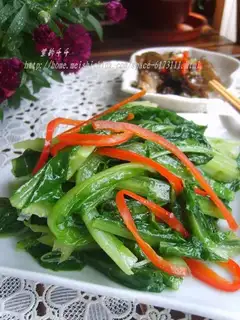 Oil saline leaves
 Bacon rolls
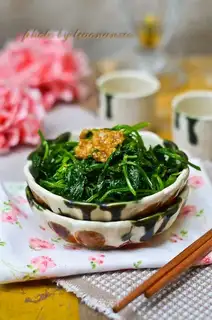 Garlic pickles