Introduction: Food affects health through the gut microbiota. To have a healthy body, we must "take good care" of our gut by providing it with ample nutrition, avoiding constipation, and ensuring strong intestinal function. In fact, the gut has its own preferred foods, which we should pay more attention to in our diet.
Coarse Grains: Replace half of your white rice and flour with coarse grains
To keep the gut comfortable, we must first boost the population of gut probiotics. Probiotics love foods rich in dietary fiber and oligosaccharides, with whole grains and coarse grains being the top choice.
But look at our bowls—they are almost always white rice and white steamed buns. The dietary fiber we get from our staple foods cannot compare to what we consumed two or three decades ago. According to statistics, the average dietary fiber intake of residents in our country in recent years is around 15 grams, which fails to meet the recommended intake of 20-30 grams.
Replace half of the white rice and flour in your home with whole grains and coarse grains. Choose several varieties at a time and cook them into porridge in an electric pressure cooker—it's simple, convenient, nutritious, and delicious. Alternatively, soak beans for 8-12 hours and coarse grains for 2-4 hours before cooking them into a coarse grain porridge, which will be easier to cook and digest.
Steamed Buns with Coarse Grains
Starchy Vegetables and Legumes: Use dried legumes as staples, fresh legumes as side dishes
Both soluble and insoluble dietary fiber are relatively abundant in sweet potatoes. If you're not used to coarse grain rice, you can dice sweet potatoes, potatoes, and other starchy vegetables, and steam them with rice to avoid a nutritionally monotonous staple diet.
Legume foods like green beans, red beans, and soybeans contain even more dietary fiber than starchy vegetables. Soybeans, in particular, are not only rich in dietary fiber but also contain oligosaccharides that promote the proliferation of probiotics. Fresh legumes such as tender peas, fava beans, and edamame also contain a good amount of dietary fiber and are excellent as side dishes.
Root and Stem Vegetables: Make vegetable soups with burdock and carrots
Root and stem vegetables like celery, burdock, and carrots are also foods that the gut prefers. Burdock, in particular, is known as "Oriental ginseng" and is rich in coarse fiber. It not only relieves constipation but is also beneficial for preventing various chronic diseases. For vegetarian soups, burdock and carrots are great ingredients; simply simmer them lightly and add a little seasoning for a light and delicious broth.
Sautéed Celery with Shredded Pork
Don't forget fruits either. Apples, oranges, dragon fruit, kiwis, and others contain relatively rich sources of dietary fiber such as cellulose, hemicellulose, pectin, and gum, which have a positive effect on intestinal health and cancer prevention.
Seaweed: Eat them cold in salads or in soups for a delicious and nutritious meal
Wakame is very inexpensive but is an excellent sea vegetable that is high in dietary fiber and protein, low in fat, and rich in minerals and vitamins. Sea lettuce has a tender and smooth texture and is rich in trace elements like magnesium, calcium, and iodine. It also contains soluble dietary fiber like alginic acid. Agar-agar has a very high content of plant gum, which absorbs water and swells in the intestines, making it very helpful for relieving constipation, so middle-aged and elderly people can eat more of it.
Sea lettuce and other seaweeds are relatively high in sodium, so soak them in water for a while, blanch them in boiling water, squeeze out the water, chop them up, and then mix with salt, soy sauce, minced garlic, and sesame oil. In addition, seaweed soup, nori soup, and sea lettuce and egg drop soup are also excellent choices.
Cold-dressed Wakame
 Celery and veal
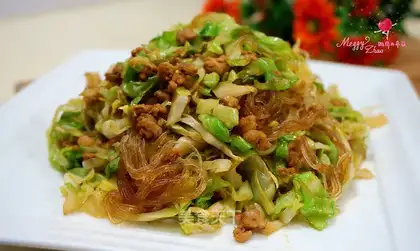 A meatloaf blue fan
 Pineapple chicken fried pasta