Introduction: People often ask: "I've put more than a dozen ingredients in my congee pot. Are they really suitable for me? Could there be any conflicts between them?" Many also ask: "Why do I feel unwell after drinking multigrain congee, with symptoms like bloating and gas?" In response, nutrition expert Fan Zhihong explains that no conflicts have been found among various grains, but whether their combination is suitable for a specific individual does indeed require some considerations.
Babies can start eating soft millet congee at 6 months old, as it is very easy to digest and has been a nutritious complementary food for infants since ancient times. After 1 year old, they can be introduced to other grains, tubers, and legumes, starting with multigrain porridge. As their teeth gradually grow in, by age 2, they can have multigrain and legume congee.
Before the age of 3, a child's swallowing function is not fully developed, so do not add ingredients like peanuts to their congee that could easily be inhaled into the trachea. At the same time, note that the congee for young children should be cooked until very soft. You can add a few red dates, raisins, a few slices of longan meat, or lotus seeds while cooking to enhance the sweet aroma, helping them happily consume this healthy food. However, remember to pit all dried fruits, especially jujubes, as the pits are hard and sharp and could injure a child's mouth and digestive tract. Do not add sugar or honey to multigrain congee! You should not cultivate the bad habit of needing to add sugar to eat multigrains; instead, let the child adapt to the subtle natural sweetness of whole foods.
As for why many people feel bloated after drinking congee, one reason is that they are accustomed to a refined, soft diet, and their gut microbes are not yet used to a higher amount of dietary fiber, requiring a gradual approach. The other reason is due to low digestive capacity. For those with insufficient gastric acid secretion, poor gastric motility, disrupted gut flora, or a tendency to diarrhea, special attention must be paid to ingredient selection and cooking details when making multigrain congee. Done right, it can gradually improve gastrointestinal health; done wrong, it can create more problems.
Salmon Congee
The main goals for adults drinking multigrain congee are several: For those who are weak or have poor digestion, the primary goal is to care for the digestive function and increase nutritional supply. For those on a weight loss diet, the main goal is to increase food volume, reduce the intake of dry matter, and feel less hungry. For people with high blood pressure, high blood sugar, or high cholesterol, the main goal is to increase dietary fiber to control blood sugar and blood lipids. Overall, the first goal belongs to one category, while the second and third goals largely belong to another.
>For those who are physically weak and have indigestion, situations like stomach blockage and bloating are likely. It is advisable to use little or no soybeans, black beans, or mung beans, as they are indeed difficult to digest and tend to produce gas. Other miscellaneous beans should not exceed one-third of the multigrain congee ingredients, and they should be cooked until soft. If there is severe bloating, diarrhea, or loose stools, it is not advisable to use whole wheat grains, barley, or oats. Instead, it's better to use easily digestible ingredients that are very gentle on the intestines, such as brown rice, broomcorn millet, millet, Chinese yam, or sticky sorghum. You can also add some white glutinous rice to thicken it and more red dates and longans to sweeten. It is best to soak the ingredients for at least 8 hours before cooking and use an electric pressure cooker, which will make the grains and beans softer and easier to digest after cooking.For those with excess stomach acid, it is best to use less sticky ingredients like broomcorn millet and glutinous rice, and avoid adding sweet potato chunks and corn. However, adding a moderate amount of soft-cookable beans like kidney beans or adzuki beans is beneficial and harmless for reducing stomach acid. Combining these with white rice, brown rice, and millet, and adding ingredients like lily bulbs, sesame, or peanuts, you can make a multigrain congee that is very comfortable to drink. Since everyone's constitution and digestive capacity are different, your body will naturally tell you which ingredients are most suitable. You'll understand after a few adjustments and trials.
Many people believe that if you have digestive problems, you must eat refined staple foods, which is a big misconception. The repair of the gastrointestinal tract needs the nutritional support of whole grains and miscellaneous grains, and beneficial gut microbes need the soluble dietary fiber and oligosaccharides in food for nourishment. Appropriately increasing some whole grain and miscellaneous grain ingredients is very beneficial for improving the gut flora, and there is already considerable research evidence for this. You can observe in daily life that people who have eaten whole grains, miscellaneous grains, and tubers since childhood tend to have strong and healthy digestive systems, while it is common for people who have only eaten white rice and sweets/sweetened beverages since childhood to have poor gastrointestinal health.
Sweet Potato and Peanut Congee
For those who have never consumed multigrains or tubers before, if there are no diabetes issues, you can start gradually by replacing part of the congee ingredients with multigrains, while still keeping more than half as white rice. Once you are accustomed to it, slowly reduce the amount of rice. For people who feel bloated from corn or sweet potatoes, you can first add a small amount and steam it together with rice, or cook it in white congee. Eating white rice or congee first, followed by a small amount of sweet potato or corn, will prevent discomfort. Then, gradually increase the proportion of multigrain and tuber ingredients, and the intestines will gradually adapt.
Others often ask, if multigrain congee is cooked for a long time, are the nutrients lost? In fact, even if multigrain congee is cooked until very soft, its nutritional quality is not the same as white rice congee. For example, millet and broomcorn millet are soft in texture and easy to cook, but their vitamin and mineral content is several times higher than that of refined white rice, providing more nutrients for the weak and helping the gastrointestinal tract repair itself. Some vitamins are lost during cooking, but even after a long cooking time, the loss is still less than that of white rice congee. Minerals and dietary fiber are not lost at all when heated. Therefore, while eating suitable varieties of multigrains, moderately pairing them with fish, meat, eggs, and dairy to increase protein intake, plus adding some exercise, can gradually make your body stronger.
For diabetics and patients with hyperlipidemia, the multigrain and legume congee is the opposite. To strictly control postprandial blood sugar response, more than half of the ingredients must be miscellaneous beans, including adzuki beans, mung beans, kidney beans, peas, fava beans, chickpeas, and lentils, because compared by the same starch content, their postprandial blood sugar response is particularly low, mostly below 30. Whole grains like oat grains, barley grains, wheat grains, and buckwheat grains, as well as starchy seeds like lotus seeds, lily bulbs, and Euryale ferox, are also congee ingredients with a low blood sugar response. Do not add ingredients with a high blood sugar response like glutinous rice, white rice, broomcorn millet, or sticky millet, and use less sweet ingredients like jujubes and raisins, and absolutely no sugar. It is advisable to use oats and barley to increase thickness, as they are rich in beta-glucan, which is beneficial for controlling blood lipids and blood sugar and has a low postprandial blood sugar response.
Research data shows that when drinking plain rice congee, the glycemic index (GI) measured in healthy people can be as high as 102, while well-cooked adzuki beans with added water have a GI of only 24. A mixed congee of half adzuki beans and half refined white rice can lower the GI to 73. This shows that people who need to control blood sugar are more suitable for drinking grain-legume mixed congee.
For multigrain and legume congee aimed at weight loss and people with high blood pressure, blood sugar, or blood lipids, a bit more chewing texture is needed to achieve a lower blood sugar response and a greater feeling of satiety. The beans can be soaked for a shorter time, and the multigrains can be unsoaked. Within an acceptable range, the texture of the congee should not be too soft. Do not discard the soaking water for the multigrains, as it contains leached vitamins, potassium, and various antioxidants.
Pineapple Fruit Congee
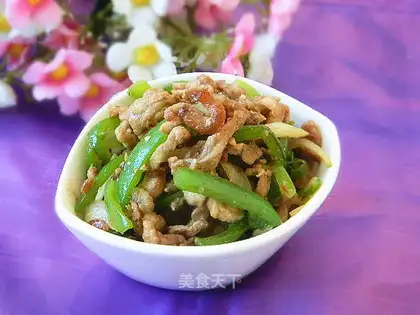 Pepper sauce
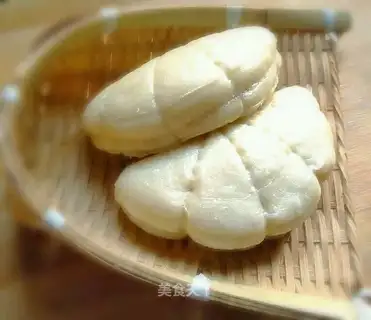 A leaf clip
 Delicious animal cookies