Introduction: For people with allergic constitutions, daily diet requires special attention. Randomly eating food will only aggravate the condition; however, a reasonable daily diet can help regulate the body. So, what can people with allergic constitutions eat to regulate their health? Below, we recommend 10 foods to help manage an allergic constitution.
1. Jujube
Jujube, also known as Chinese date, is characterized by its very high vitamin content, earning it the reputation of a "natural vitamin pill." It has the effects of nourishing yin, supplementing yang, and nourishing the blood. The ancient Chinese herbal classic "Ben Cao" records that jujube is sweet in taste and warm in nature, affecting the spleen and stomach meridians. It functions to tonify the middle jiao, replenish qi, nourish the blood, calm the spirit, and moderate the properties of other herbs. Modern pharmacological research has found that jujube can increase oxygen content in the blood and nourish all body cells, acting as a mild tonic. Jujube contains a large amount of anti-allergy substances—cyclic adenosine monophosphate (cAMP), which can prevent allergic reactions. Patients with allergic symptoms can consume jujubes regularly. Moreover, jujube is often used in potent herbal formulas to reduce the side effects of strong medicines and protect the body's vital energy. For example, in the 'Ten Jujube Decoction,' jujube is used to mitigate the toxicity of drastic purgatives like kansui, daji, and yuanhua, protecting the spleen and stomach from harm.
Jujube and Tremella Soup
2. Honey
Honey is a natural food composed of monosaccharides like glucose and fructose, which can be directly absorbed by the body without the need for enzymatic breakdown. The monosaccharides in honey are more easily absorbed by the body than sucrose (the main component of granulated sugar) and can be absorbed without digestion, making it particularly beneficial for health in women, children, and the elderly, thus earning it the nickname "milk for the elderly."
A spoonful of honey a day can help you stay away from seasonal allergy symptoms such as colds, asthma, itching, coughing, and dry eyes. There are two reasons why honey can prevent allergies: first, it contains a small amount of bee venom. Bee venom is a toxic substance in bees, but it is clinically used to treat allergic diseases such as bronchial asthma. Second, honey contains a certain amount of pollen grains, and regular consumption can build a resistance to pollen allergies.
Honey Twist
3. Enoki Mushroom
Fresh enoki mushrooms are rich in B vitamins, vitamin C, carbohydrates, minerals, carotene, various amino acids, phytohemagglutinin, polysaccharides, taurine, eritadenine, ergosterol, cytolysin, and冬菇细胞毒素 (shiitake mushroom cell toxins). Moreover, the amino acid content in enoki mushrooms is very high, exceeding that of common mushrooms, especially lysine, which has the function of promoting children's intellectual development. Dried enoki mushrooms contain 8.87% protein, 60.2% carbohydrates, and up to 7.4% crude fiber. Regular consumption can help prevent ulcers. In addition, the stem of the enoki mushroom contains a protein that can inhibit allergic conditions such as asthma, rhinitis, and eczema. Regular consumption of enoki mushrooms can significantly reduce the damage caused by allergic reactions to the body.
Bacon-Wrapped Enoki Mushrooms
4. Carrot
Carrot is a crisp, tasty, and nutritious common vegetable, often called "little ginseng." Carrots are rich in nutrients such as sugars, fats, volatile oils, carotene, vitamin A, vitamin B1, vitamin B2, anthocyanins, calcium, and iron. Carrots contain a large amount of carotene. The molecular structure of this carotene is equivalent to two molecules of vitamin A. After entering the body, it is converted by enzymes in the liver and small intestinal mucosa, with 50% of it turning into vitamin A. It has the effect of nourishing the liver and improving eyesight, and can treat night blindness. The conversion of carotene to vitamin A is essential for the normal growth and development of bones, helps cell proliferation and growth, and is a key factor for the body's growth, making it particularly important for promoting the growth and development of infants and children. Furthermore, experts have found that the beta-carotene in carrots can effectively prevent allergic reactions such as pollen allergies and allergic dermatitis.
Fried Tofu Skin with Carrot and Lettuce
5. Onion
Onions are very rich in nutrients, not only containing potassium, vitamin C, folic acid, zinc, selenium, and fiber, but also two special nutrients—quercetin and prostaglandin A. These two special nutrients give onions many irreplaceable health benefits. Onions contain prostaglandin A, which can reduce peripheral vascular resistance and blood viscosity, and can be used to lower blood pressure, refresh the mind, relieve stress, and prevent colds. Additionally, onions can remove oxygen free radicals from the body, enhance metabolic capacity, resist aging, and prevent osteoporosis, making them a healthy food suitable for middle-aged and elderly people.
Onions also contain the trace element selenium. Selenium is an antioxidant, and its special function is to enable the human body to produce a large amount of glutathione. The physiological function of glutathione is to transport oxygen for cell respiration. An increase in selenium content in the body enhances immunity and fights allergies.
Broccoli, Onion, and Beef Short Ribs
 Chicago black pepper steak
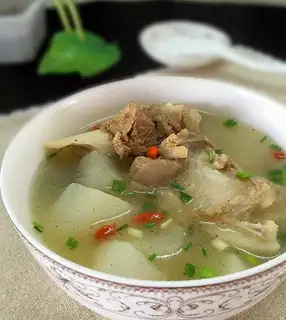 A lamb stew
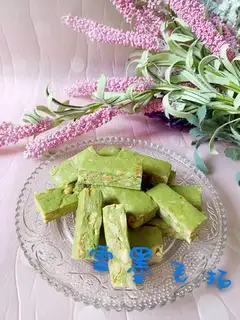 Cow and sugar
 Meat and rice
 Solution noodles