Introduction: With the increasing stress of modern life, many people experience symptoms of Yin deficiency and excess fire. So, what should we eat to improve this condition? What foods can help alleviate Yin deficiency and excess fire? How can we manage it? Below, we recommend 5 foods to help reduce excess fire.
1. Goji Berry
Goji berries contain fourteen amino acids, as well as betaine, physalein, goji polysaccharides, carotene, riboflavin, niacin, vitamin C, and other nutritional components. The mature fruit of the goji berry can be eaten as a nut and is also a nutritious health supplement. Goji berries are rich in goji polysaccharides, a water-soluble polysaccharide that is the main active component of goji berries, with a relative molecular weight of 68-200, making it a research hotspot both domestically and internationally. Among these, the immunomodulatory and anti-tumor effects of goji polysaccharides have been most extensively studied. Many studies have now shown that goji polysaccharides have effects such as promoting immunity, anti-aging, anti-tumor, scavenging free radicals, anti-fatigue, anti-radiation, liver protection, and protection and improvement of reproductive function. In Traditional Chinese Medicine, it is used for liver and kidney deficiency; dizziness and blurred vision; vision loss; soreness in the lower back and knees; spermatorrhea and polydipsia; and consumptive cough.
Chestnut, Walnut, and Goji Berry Soy Milk
2. Lily Bulb
In Traditional Chinese Medicine, lily bulbs are believed to nourish Yin and moisten the lungs, and to clear the heart and calm the spirit. They are primarily indicated for chronic cough due to Yin deficiency; hemoptysis; lingering heat after an illness; vexation and palpitations from unresolved heat or emotional distress; insomnia and vivid dreams; mental fogginess; carbuncles; and damp sores. Lily bulbs have a great effect on nourishing the heart and calming the mind, and also have a certain effect of moistening the lungs and relieving cough, making them very suitable for patients recovering from serious illnesses.
3. Duck
Duck is a premium dish on the dining table and an excellent food for nourishment. The nutritional value of duck meat is similar to that of chicken. However, in Traditional Chinese Medicine, since ducks mostly eat aquatic life, their meat is considered sweet and cold in nature, and it enters the lung, stomach, and kidney meridians. It has effects such as nourishing the body, tonifying the stomach, tonifying the kidneys, eliminating hectic fever from bone steaming, reducing edema, stopping dysentery from heat, and relieving cough and resolving phlegm. Duck meat is suitable for people with internal heat, and it is even more beneficial for those with a weak constitution, poor appetite, fever, dry stools, and edema. Folklore also considers duck the ideal food for "clearing and nourishing," making it suitable for individuals with a Yin-deficient constitution.
Tree Ear Mushroom and Duck Soup
4. Jujube
Jujubes, also known as Chinese red dates, are characterized by their very high vitamin content, earning them the reputation of "natural vitamin pills." They have the effects of nourishing Yin and Yang, and replenishing blood. Jujubes can give the skin a rosy complexion due to their beautifying and blood-enriching properties. If you often cook congee or soup with jujubes, it can promote the body's hematopoiesis, effectively prevent anemia, and make the skin more and more rosy.
5. Egg
Eggs are neutral in nature and sweet in flavor. They not only replenish Qi and nourish blood, but both the egg white and yolk have the effect of nourishing Yin and moistening dryness. Eggs are rich in cholesterol and nutritious. A 50-gram egg contains 7 grams of protein. The amino acid ratio of egg protein is very suitable for the body's physiological needs and is easily absorbed by the body, with a utilization rate of over 98%. It is highly nutritious and one of the most commonly consumed foods by humans. The medical community considers eggs to be an excellent source of protein, with ovalbumin, conalbumin, and vitellin being very complete proteins. Eggs are quite suitable for people with Yin deficiency, especially when eaten with soybeans, as is the common folk practice of eating eggs with soy milk, which is even more beneficial.
Easy and Silky Steamed Egg in the Microwave
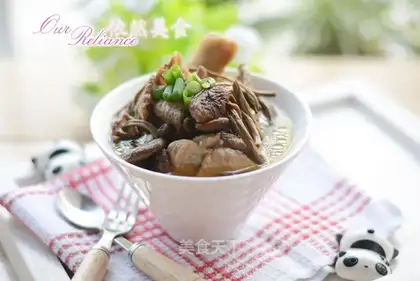 Tea mushroom duck soup
 Toast apple pie
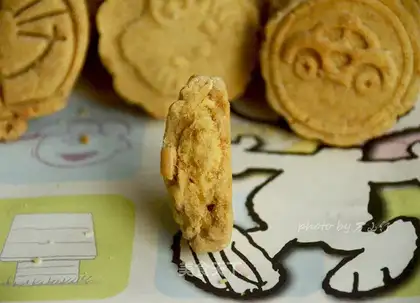 Peanut butter, pine pine crackers