Actually, many people have the problem of thick blood, but it is often overlooked because the symptoms are not obvious. However, overly thick blood can easily induce various cardiovascular and cerebrovascular problems. So, what to do about thick blood? What can be eaten to reduce blood viscosity?
1. Cauliflower
There are two types of cauliflower: white and green, with the green one also called broccoli. The nutritional value of both is basically the same. Cauliflower is low in calories and high in dietary fiber, and is also rich in vitamins and minerals, so it is also known as "a gift from heaven."
Cauliflower contains a lot of flavonoids. Flavonoids are a good vascular cleanser that can effectively remove cholesterol deposited on blood vessels and prevent platelet aggregation, reducing the risk of heart disease. There are many ways to eat cauliflower, and steaming is the best way. Soaking the cauliflower in salt water for a few minutes will make any worms come out, and it can also remove residual pesticides.
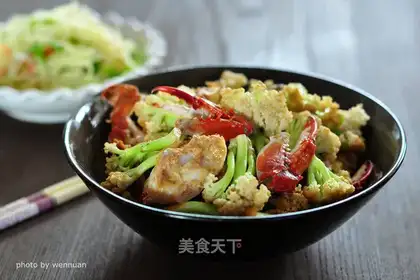
Stir-fried Cauliflower with Swimming Crabs
2. Eggplant
The skin of eggplant is rich in vitamin P, which has a significant effect on lowering blood lipids and cholesterol. Vitamin P can also increase the elasticity of capillaries and improve microcirculation, with a clear effect on activating blood and unblocking vessels. In addition, eggplant also contains a large amount of saponins, which can also lower cholesterol in the blood. Therefore, eggplant is an ideal food for patients with hypertension and arteriosclerosis. However, frying eggplant will cause a large loss of vitamin P, so frying should be reduced, or it should be battered before frying.
3. Garlic
Garlic has a significant effect in lowering blood lipids and preventing arteriosclerosis, and can effectively prevent thrombosis. Regular consumption of garlic can provide significant protection for the cardiovascular system. Garlic is also known as "the gold of medicinal plants." The pickling time for garlic should not be too long, so as not to destroy its active ingredients. Patients with digestive tract diseases, liver diseases, and eye diseases should not consume it in excess.
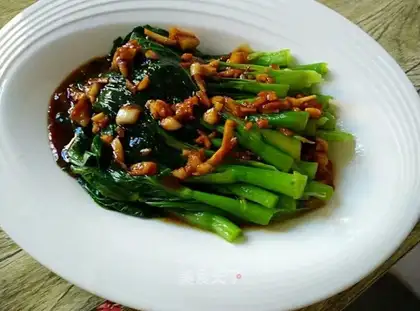
Mashed Garlic with Asparagus
4. Onion
Onion is a must-eat for many long-lived elderly people, as it can soften blood vessels and reduce blood viscosity. The soluble dietary fiber in onions can reduce the human body's absorption of cholesterol. Regular consumption can lower serum cholesterol, remove impurities and harmful substances from the blood, improve the problem of thick blood, and also reduce the risk of cardiovascular and cerebrovascular diseases.
Stir-fried Onion with Lamb Slices
 Peaches
 Potato milk cake
 Creaming