In the past, the primary benefit of whole grains was thought to be providing fiber to promote digestive system health. However, recent research has found that in addition to fiber, they also offer a variety of vitamins and minerals, along with high levels of antioxidants and other nutrients. Therefore, when going grocery shopping, housewives might pay more attention to these five grains. As the saying goes, "the five grains nourish people," and the health of your family can sometimes depend on these details.
1. Barley
Barley is extremely rich in fiber, especially high in soluble fiber beta-glucan. It helps maintain stable blood sugar levels and provides energy for children. Barley also contains the trace element selenium, a powerful antioxidant. Barley can be made into a hot breakfast cereal, or used in soups and to make pilaf.
Black Bean and Barley Flour Pancake
2. Amaranth Flour
In recent years, gluten has become an increasingly unpopular topic in the field of nutrition. It is believed that gluten-containing foods can easily lead to weight gain and cause indigestion, so a gluten-free diet is advocated. For example, amaranth flour contains all the essential amino acids for the human body, including lysine, which is often lacking in other grains. Additionally, it is a good source of minerals such as iron, magnesium, zinc, calcium, and potassium.
3. Oats
Oats also contain beta-glucan fiber, which can help lower cholesterol and boost the immune system. Oats are known for their polyphenol compounds, which have anti-aging properties. Besides the most traditional oatmeal breakfast, oats can also be added to meat patties, hot pots, and hamburgers.
Yogurt Oatmeal Fruit Basket
4. Teff Flour
Among these five grains, gluten-free teff flour has the highest content of calcium and protein. Teff flour is also a rich source of fiber, iron, and thiamine. Teff flour has a tiny grain and a nutty flavor. It is an indispensable staple food in Ethiopia, often used to make traditional flatbread or cooked into porridge with ingredients like corn and carrots.
5. Quinoa
Quinoa shares a commonality with amaranth flour: both are complete protein alkaline foods that provide all essential nutrients. Furthermore, quinoa is a good source of magnesium, zinc, iron, and folate. As a plant, quinoa is not only rich in various nutrients needed by humans but also contains high-quality protein with an amino acid profile similar to that of the human body. Quinoa is quite remarkable, as its seeds come in colors like beige, red, black, and even purple. Adding it to salads or dishes is an excellent way to use it.
Quinoa and Arctic Char Salad
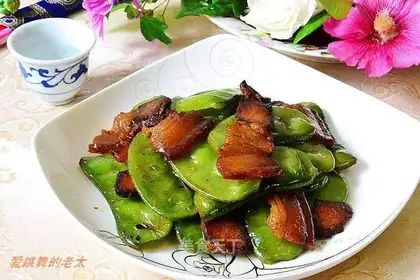 stir-fried bacon with green lentils
 Strawberry lasagna
 Porpoise