When the seasons change, to use a balanced diet to ward off illness, you should eat more vegetables rich in vitamins and high in dietary fiber. It's like taking an "immune medicine" for colds, acne, stomachaches, constipation, and diarrhea, allowing you to step into autumn healthily and effortlessly.
1. Lettuce
Acne appears when skin oil cannot be discharged smoothly, leading to bacterial growth on the skin. To prevent and eliminate it, you should eat foods rich in nutrients like vitamins, carotene, zinc, and fiber. Lettuce is rich in vitamins and trace elements, and its water content is among the highest of all vegetables. Eating more helps to hydrate the skin and also has a辅助 therapeutic effect on acne caused by poor gastrointestinal function.
Century Egg and Lettuce Porridge
2. Cauliflower
During the changing seasons, the weather is unpredictable, and the body struggles to adapt, causing immunity to unknowingly decline. This gives cold viruses an opportunity. Supplementing with enough vitamin C is a good way to prevent colds. The vitamin C content in cauliflower is 3-4 times higher than in Chinese cabbage or soybean sprouts, and 2 times higher than in citrus. Traditional Chinese Medicine has always held that "white enters the lungs." The pure white cauliflower is undoubtedly a timely health vegetable that not only prevents respiratory diseases like colds but is also an excellent vascular cleanser.
3. Chives
In autumn, people inevitably start to "bulk up" for the season. However, after adapting to a light, low-oil summer diet, the stomach has difficulty digesting rich and heavy foods in a short time. Therefore, problems like indigestion and poor digestion are common. At this time, eating foods that eliminate stagnation, strengthen the spleen, and promote digestion is most helpful. Chives are rich in carotene, protein, sulfides, and dietary fiber. Eating chives can help digest food, eliminate stagnation, strengthen the spleen, and stimulate the appetite. Cilantro has a unique aroma and can stimulate the appetite and aid digestion. Traditional Chinese Medicine believes that cilantro has a "warming the middle and strengthening the stomach" effect. Eating some cilantro can alleviate symptoms like stomach pain and indigestion.
Stir-fried Baby Squid with Chives
4. Tomato
In early autumn, the climate begins to get dry. If your intake of vegetables, fruits, and water is insufficient, you're prone to "heatiness," leading to problems like mouth ulcers and inflammation. Tomatoes have effects like clearing heat and detoxifying, and promoting the production of body fluids to quench thirst. Clinically, they are often used to treat symptoms like a dry mouth and throat, loss of appetite, a bitter mouth from stomach heat, bleeding gums, and mouth sores.
5. Celery
During the transition from summer to autumn, the temperature difference is significant—cool in the morning and evening, hot at noon. For more sensitive elderly individuals, the body finds it hard to adapt quickly, which directly affects the endocrine and nervous systems, leading to poorer sleep quality and making insomnia more likely. Celery is rich in various vitamins and trace elements and has the effects of lowering blood pressure, reducing cholesterol, and calming the mind.
Stir-fried Celery with Tofu Skin
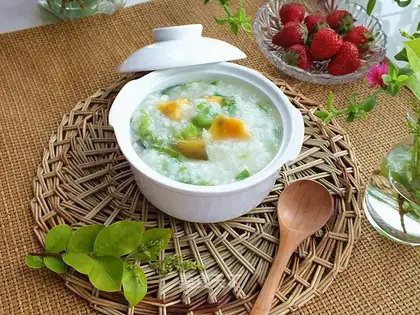 Porridge
 The fragrance and celery
 Rose rice