Rapeseed blossom, known as youcai hua in Chinese, is more than a picturesque symbol of spring. For centuries, this bright yellow flower has been celebrated not only for its beauty but also for its remarkable nutritional value, diverse health benefits, and versatility in culinary traditions. While often overshadowed by its seeds—which yield canola oil—the petals, stems, and even young leaves of the rapeseed plant offer a wealth of bioactive compounds, vitamins, and minerals that make it a functional food. This article explores the nutritional profile of rapeseed blossom, its evidence-based health benefits, and important considerations for safe consumption.
I. Nutritional Profile of Rapeseed Blossom
Rapeseed blossom is a nutrient-dense edible flower, rich in macronutrients, micronutrients, and phytochemicals that contribute to its health-promoting properties.
1. Macronutrients
The petals and young shoots of rapeseed blossom are low in calories but high in dietary fiber, making them an excellent addition to weight-management diets. A 100-gram serving of fresh rapeseed petals contains approximately 31 calories, 1.5 grams of protein, 0.7 grams of fat, and 6.5 grams of carbohydrates, with 2.8 grams being fiber. This fiber content supports digestive health by promoting regular bowel movements and feeding beneficial gut bacteria.
2. Micronutrients
Rapeseed blossom is a potent source of essential vitamins and minerals:
- Vitamin C: A 100-gram serving provides around 35 milligrams of vitamin C, roughly 40% of the daily recommended intake. This antioxidant vitamin boosts immune function, aids collagen synthesis, and protects cells from oxidative stress.
- Vitamin A: The blossoms contain beta-carotene, a precursor to vitamin A, which is vital for vision, skin health, and immune regulation.
- Vitamin E: Present in moderate amounts, vitamin E acts as a lipid-soluble antioxidant, protecting cell membranes from damage caused by free radicals.
- Folate (Vitamin B9): With approximately 80 micrograms per 100 grams, rapeseed blossom supports DNA synthesis and cell division, making it particularly beneficial during pregnancy.
- Minerals: The flower is a good source of calcium (100 mg per 100 g), iron (1.2 mg), and potassium (300 mg). Calcium and potassium are critical for bone health and blood pressure regulation, while iron prevents anemia by supporting red blood cell production.
3. Phytochemicals
The most significant health benefits of rapeseed blossom stem from its diverse phytochemical profile:
- Flavonoids: Quercetin, kaempferol, and apigenin are abundant in the petals. These compounds exhibit anti-inflammatory, antioxidant, and anti-cancer properties. Quercetin, for instance, has been shown to reduce histamine release, alleviating allergy symptoms.
- Glucosinolates: While more concentrated in rapeseed seeds, the blossoms also contain these sulfur-containing compounds. When broken down by enzymes (e.g., myrosinase), they form bioactive isothiocyanates, which have been linked to cancer prevention by inhibiting tumor cell growth.
- Polyphenols: Including caffeic acid and ferulic acid, these compounds combat oxidative stress and chronic inflammation, key drivers of aging and diseases like diabetes and cardiovascular disease.
II. Health Benefits of Rapeseed Blossom
The combination of nutrients and phytochemicals in rapeseed blossom confers a range of health benefits, supported by both traditional use and modern scientific research.
1. Antioxidant and Anti-Inflammatory Effects
Chronic inflammation and oxidative stress are underlying factors in many diseases, including cancer, arthritis, and neurodegenerative disorders. Rapeseed blossom’s high flavonoid and polyphenol content neutralizes free radicals—unstable molecules that damage cells—and inhibits pro-inflammatory enzymes like COX-2. A 2020 study published in the Journal of Agricultural and Food Chemistry found that rapeseed blossom extract reduced oxidative stress in human liver cells by 40%, highlighting its potential as a natural antioxidant agent.
2. Cardiovascular Health Support
The potassium and fiber in rapeseed blossom contribute to heart health. Potassium helps regulate blood pressure by balancing sodium levels in the body, while fiber lowers LDL (“bad”) cholesterol and reduces the risk of atherosclerosis. Additionally, the flower’s polyphenols improve endothelial function, the ability of blood vessels to dilate and contract properly, enhancing blood flow and reducing the risk of hypertension. A 2019 study in Phytotherapy Research noted that regular consumption of rapeseed blossom extract improved lipid profiles in rats, suggesting similar benefits for humans.
3. Immune System Boost
Vitamin C and flavonoids in rapeseed blossom synergistically enhance immune function. Vitamin C stimulates the production and activity of white blood cells, while flavonoids modulate immune responses, reducing excessive inflammation that can damage tissues. For example, quercetin has been shown to inhibit viral replication and reduce symptoms of respiratory infections, making rapeseed blossom a valuable food during cold and flu season.
4. Anti-Cancer Potential
Isothiocyanates derived from glucosinolates in rapeseed blossom are the primary compounds linked to cancer prevention. These compounds activate detoxification enzymes (e.g., glutathione S-transferase) that carcinogens, and induce apoptosis (programmed cell death) in cancer cells. Research on breast, colon, and prostate cancer cells has demonstrated that isothiocyanates inhibit tumor growth and metastasis. While human trials are limited, epidemiological studies suggest that populations with high consumption of cruciferous vegetables (including rapeseed blossom) have lower rates of certain cancers.
5. Digestive Health Improvement
The fiber in rapeseed blossom acts as a prebiotic, nourishing beneficial gut bacteria like Bifidobacterium and Lactobacillus. A healthy gut microbiome is essential for nutrient absorption, immune function, and mental health. Additionally, the flower’s mild laxative effect alleviates constipation, while its anti-inflammatory properties soothe the digestive tract, reducing symptoms of irritable bowel syndrome (IBS).
6. Skin and Hair Benefits
Vitamin A and E in rapeseed blossom promote skin health by supporting collagen production and protecting against UV damage. Vitamin A accelerates cell turnover, reducing acne and signs of aging, while vitamin E moisturizes the skin and prevents oxidative stress-induced wrinkles. For hair, iron and folate prevent hair loss by strengthening hair follicles and improving blood circulation to the scalp.
III. Culinary Uses and Preparation
Rapeseed blossom is a versatile ingredient used in cuisines across Asia, Europe, and the Middle East. Both fresh and dried petals, as well as young leaves, can be incorporated into dishes for flavor, color, and nutrition.
1. Fresh Petals
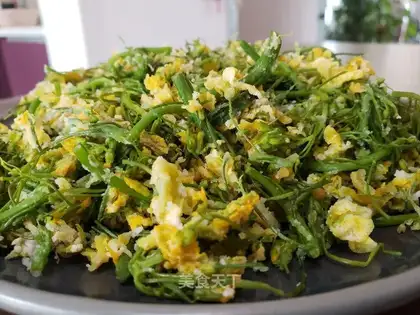
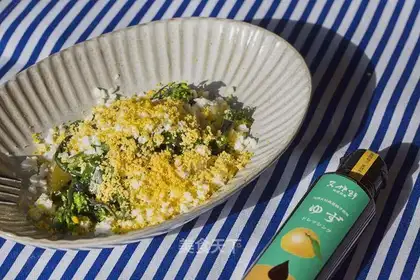
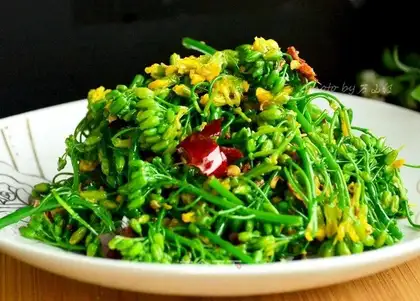
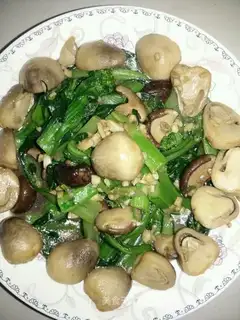
Fresh rapeseed petals have a mild, slightly sweet, and peppery flavor, similar to arugula. They are often used as a garnish for salads, soups, and desserts, adding a vibrant yellow hue. In China, petals are stir-fried with garlic or added to dumpling fillings for a delicate crunch. In France, they are infused into syrups for cocktails or desserts, such as rapeseed blossom honey or ice cream.
2. Dried Petals
Dried petals retain much of their nutritional value and are used to make teas, infusions, or spice blends. Rapeseed blossom tea is popular in traditional medicine for its calming and detoxifying effects. The petals can also be ground into a powder and added to smoothies, soups, or baked goods for an extra nutrient boost.
3. Young Leaves and Stems
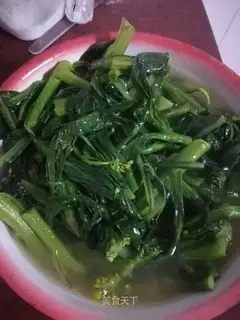
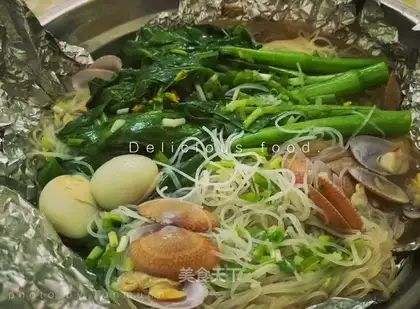
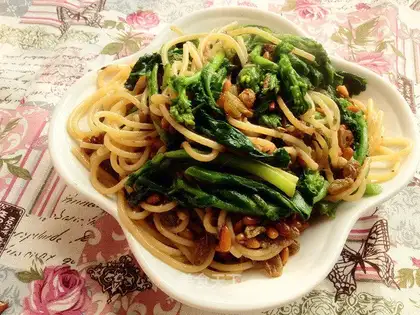
The young leaves and stems of the rapeseed plant are edible and have a milder flavor than mature leaves. They can be steamed, sautéed, or added to stir-fries, similar to spinach or kale. In some regions, the stems are pickled and served as a side dish.
4. Safety in Cooking
To preserve the nutritional content of rapeseed blossom, it is best to cook it gently. Overheating can degrade heat-sensitive vitamins like vitamin C. Steaming or light stir-frying retains most of the nutrients and phytochemicals.
IV. Precautions and Contraindications
While rapeseed blossom is generally safe for most people, there are important precautions to consider:
1. Glucosinolates and Goitrogenicity
Rapeseed contains glucosinolates, which can break down into goitrogens—compounds that interfere with thyroid function by inhibiting iodine uptake. While the levels in blossoms are lower than in seeds, excessive consumption (especially raw) may pose a risk for individuals with thyroid disorders or iodine deficiency. Cooking reduces goitrogen activity, so consuming cooked rapeseed blossom is safer for those with thyroid concerns.
2. Allergic Reactions
Some individuals may be allergic to rapeseed blossom, particularly those with allergies to other plants in the Brassicaceae family (e.g., mustard, cabbage, broccoli). Symptoms can include skin rashes, itching, or respiratory distress. Those with known allergies should avoid consumption or consult a healthcare provider before trying rapeseed blossom.
3. Pesticide Residues
Rapeseed is often grown as a cash crop and may be treated with pesticides. To minimize exposure, it is advisable to source rapeseed blossom from organic farms or wash it thoroughly before consumption.
4. Pregnancy and Breastfeeding
While rapeseed blossom is rich in folate (beneficial during pregnancy), its goitrogenic effects and limited safety data in pregnant women warrant caution. Pregnant or breastfeeding individuals should consult a doctor before including it in their diet.
5. Medication Interactions
Rapeseed blossom may interact with blood thinners (e.g., warfarin) due to its vitamin K content, which plays a role in blood clotting. Individuals taking such medications should monitor their intake and seek medical advice.
V. Conclusion
Rapeseed blossom is a nutritional and culinary gem, offering a unique blend of vitamins, minerals, and phytochemicals that support overall health. From its antioxidant and anti-inflammatory properties to its benefits for cardiovascular, digestive, and immune function, this vibrant flower deserves recognition as a functional food. However, like all foods, it should be consumed in moderation, with attention to potential risks for individuals with thyroid issues, allergies, or specific health conditions.
As interest in edible flowers and plant-based nutrition grows, rapeseed blossom is poised to transition from a seasonal ornamental to a staple in health-conscious diets. Whether enjoyed fresh in a salad, dried as a tea, or cooked in a stir-fry, this humble blossom embodies the harmony of nature’s beauty and nourishment—reminding us that the most potent remedies often grow in our own backyards.
By understanding its nutritional value, benefits, and precautions, we can harness the power of rapeseed blossom to enhance our health and savor the flavors of spring, one petal at a time.