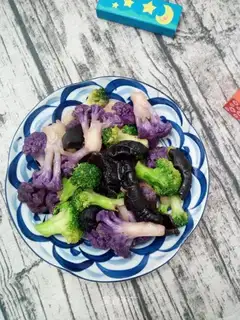
Broccoli, often referred to as the "crown jewel of nutrition," is a green flowering vegetable belonging to the cruciferous family (Brassicaceae). With its tree-like shape, vibrant green florets, and sturdy stalk, broccoli has long been celebrated as a staple in healthy diets worldwide. Beyond its culinary versatility, broccoli is packed with essential vitamins, minerals, antioxidants, and bioactive compounds that contribute to disease prevention, immune support, and overall well-being. This article explores the nutritional profile of broccoli, its scientifically backed health benefits, and important considerations for consumption to maximize its advantages while minimizing potential risks.
I. Nutritional Profile of Broccoli
Broccoli’s nutritional value is unparalleled among common vegetables. A 100-gram serving of raw broccoli contains approximately:
- Calories: 34 kcal
- Protein: 2.8 g
- Carbohydrates: 7 g (including 2.6 g of fiber and 1.5 g of natural sugars)
- Fat: 0.4 g
- Vitamins:
- Vitamin C (89.2 mg, 149% of the Daily Value, DV)
- Vitamin K (101.6 mcg, 84% DV)
- Vitamin A (623 IU, 12% DV)
- Folate (63 mcg, 16% DV)
- Vitamin B5 (0.4 mg, 8% DV)
- Minerals:
- Potassium (316 mg, 9% DV)
- Iron (0.7 mg, 4% DV)
- Calcium (47 mg, 5% DV)
- Selenium (2.5 mcg, 5% DV)
- Bioactive Compounds:
- Sulforaphane (a potent glucosinolate derivative)
- Indole-3-carbinol (I3C)
- Quercetin
- Beta-carotene
- Lutein and zeaxanthin
This combination of macronutrients and micronutrients makes broccoli a low-calorie, nutrient-dense food that supports nearly every system in the human body.
II. Key Health Benefits of Broccoli
1. Cancer Prevention
Broccoli is most renowned for its anti-cancer properties, attributed to its high concentration of glucosinolates—sulfur-containing compounds that break down into bioactive molecules like sulforaphane and I3C when chewed or digested.
- Sulforaphane: This compound has been extensively studied for its ability to inhibit the growth of cancer cells and induce apoptosis (programmed cell death) in various cancers, including breast, prostate, colon, and lung cancers. It also activates detoxifying enzymes (e.g., glutathione S-transferases) that neutralize carcinogens before they damage DNA.
- Indole-3-carbinol (I3C): I3C modulates estrogen metabolism, reducing the risk of estrogen-dependent cancers (e.g., breast and ovarian cancer). It also suppresses the proliferation of cancer cells by regulating cell cycle pathways.
A 2020 study in Journal of Nutritional Biochemistry found that regular broccoli consumption reduced the risk of colorectal cancer by 18% due to its ability to regulate gut microbiota and reduce inflammation.
2. Antioxidant and Anti-Inflammatory Effects
Broccoli is rich in antioxidants that combat oxidative stress—a key driver of aging and chronic diseases. Vitamin C, beta-carotene, and flavonoids (e.g., quercetin) neutralize free radicals, protecting cells from damage. Additionally, sulforaphane activates the Nrf2 pathway, a master regulator of antioxidant and anti-inflammatory responses.
Chronic inflammation is linked to conditions like heart disease, diabetes, and arthritis. Broccoli’s anti-inflammatory compounds (e.g., kaempferol and I3C) inhibit pro-inflammatory enzymes (e.g., COX-2) and cytokines (e.g., TNF-alpha), reducing inflammation markers in the body.
3. Heart Health
Broccoli supports cardiovascular health through multiple mechanisms:
- Cholesterol Regulation: Soluble fiber in broccoli binds to bile acids in the gut, reducing cholesterol absorption. A 2017 study in Nutrition Research showed that daily broccoli consumption lowered LDL ("bad") cholesterol by 10% in adults with high cholesterol.
- Blood Pressure Control: Potassium in broccoli balances sodium levels and relaxes blood vessels, while sulforaphane improves endothelial function (the ability of blood vessels to dilate), reducing hypertension risk.
- Anti-Atherosclerotic Effects: Broccoli’s antioxidants prevent the oxidation of LDL cholesterol, a critical step in the formation of arterial plaques.
4. Digestive Health
The high fiber content (2.6 g per 100 g) promotes regular bowel movements and prevents constipation. Moreover, broccoli’s fiber acts as a prebiotic, feeding beneficial gut bacteria (e.g., Bifidobacterium and Lactobacillus), which enhance gut barrier function and reduce inflammation.
Sulforaphane also plays a role in protecting the gut lining. A 2016 study in Cellular and Molecular Life Sciences found that sulforaphane reduced gut permeability ("leaky gut") by inhibiting NF-kB, a pro-inflammatory pathway.
5. Immune System Support
Broccoli is a powerhouse of immune-boosting nutrients:
- Vitamin C: Essential for the production and function of white blood cells, which defend against infections. A 100-gram serving of broccoli provides more than the daily recommended intake of vitamin C.
- Vitamin A: Maintains the integrity of mucosal surfaces (e.g., respiratory and digestive tracts), acting as a first line of defense against pathogens.
- Selenium: Enhances immune cell activity and reduces inflammation.
6. Bone Health
Broccoli is an excellent source of vitamin K (84% DV per 100 g), which is critical for bone mineralization and blood clotting. Vitamin K activates osteocalcin, a protein that binds calcium to bones, reducing the risk of osteoporosis. Additionally, calcium (47 mg per 100 g) and phosphorus contribute to bone density.
7. Blood Sugar Management
Broccoli’s low glycemic index (GI) and high fiber content slow carbohydrate digestion, preventing blood sugar spikes. Sulforaphane also improves insulin sensitivity by activating AMPK, a enzyme that regulates glucose uptake. A 2018 study in Diabetes/Metabolism Research and Reviews found that broccoli extract reduced fasting blood sugar by 10% in diabetic rats.
III. Potential Side Effects and Precautions
While broccoli is generally safe for most people, certain precautions should be considered to avoid adverse effects:
1. Goitrogenic Effects
Broccoli contains goitrogens—compounds that interfere with thyroid function by inhibiting iodine uptake. Cooking (e.g., boiling, steaming) reduces goitrogen content by 30–50%, making it safer for people with thyroid conditions (e.g., hypothyroidism). Individuals on thyroid medication should consume broccoli in moderation and avoid raw broccoli in large quantities.
2. Digestive Discomfort
The high fiber and sulfur content in broccoli may cause bloating, gas, or diarrhea in sensitive individuals, especially when consumed raw. Cooking broccoli can break down fiber and reduce sulfur compounds, easing digestion.
3. Blood Thinning
Broccoli is rich in vitamin K, which plays a role in blood clotting. Individuals taking anticoagulant medications (e.g., warfarin) should maintain consistent vitamin K intake to avoid drug interactions. Sudden increases in broccoli consumption may reduce the effectiveness of blood thinners.
4. Pesticide Residues
Conventionally grown broccoli may contain pesticide residues. To minimize exposure, choose organic broccoli or wash thoroughly under running water. Soaking broccoli in a 10% vinegar solution for 15 minutes can further remove residues.
5. Allergic Reactions
Broccoli allergies are rare but possible, especially in individuals allergic to other cruciferous vegetables (e.g., cabbage, cauliflower). Symptoms may include itching, swelling, or difficulty breathing. Seek medical attention if allergic reactions occur.
IV. How to Maximize Broccoli’s Benefits
To retain broccoli’s nutritional value and enhance its bioavailability:
- Cooking Methods: Steaming or stir-frying preserves nutrients better than boiling, which can leach water-soluble vitamins (e.g., vitamin C). Light cooking also increases sulforaphane bioavailability by breaking down the enzyme myrosinase, which is otherwise inhibited in raw broccoli.
- Pairing with Healthy Fats: Broccoli’s fat-soluble vitamins (A, K, E) are better absorbed when consumed with healthy fats (e.g., olive oil, avocado, or nuts).
- Fermentation: Fermented broccoli (e.g., sauerkraut) enhances probiotic content, improving gut health.
- Freshness: Choose broccoli with firm, dark green florets and crisp stalks. Yellowing or wilting indicates nutrient loss.
V. Conclusion
Broccoli is a nutritional powerhouse that offers a myriad of health benefits, from cancer prevention to immune support and heart health. Its unique combination of vitamins, minerals, and bioactive compounds makes it an indispensable part of a balanced diet. While precautions exist for individuals with thyroid conditions, blood clotting disorders, or sensitivities, moderate and properly prepared broccoli can be safely enjoyed by most people. By incorporating broccoli into meals regularly, individuals can harness its potential to promote longevity, reduce disease risk, and enhance overall well-being. As the adage goes, "An apple a day keeps the doctor away"—but perhaps a serving of broccoli a day does even more.